

Futuristic 3D logo with glowing light bulb, 'AI AFRICA' text, and chrome accents.
AI AFRICA DIGITAL PATHFINDERS
MAJESTIC MEDIA  APPLICATIONS
  • Home
    • #Business & Event Spotlights
    • #AI TODAY & TOMORROW
    • #AI Africa Ethics
    • # AI CREATIVES AFRICA
    • #AI ECOSPHERE
    • AI Frontiers
    • AI Spotlights
    • AI History
  • Featured
    • AI Visionaries
    • AI Horizon
    • AI Success
  • AI Pioneers
    • AI Accelerators
    • AI Trailblazers
    • AI Policy
  • AI Africa now
  • AI Africa Kids
  • AI Hub
    • AI Ignitors
    • AI Educators
    • #AI KIDS AFRICA
  • #AI IN BUSINESS
  • #AI INSIDER
  • #AI SOVEREIGNTY AFRICA
  • AI Healthcare
June 17.2025
1 Minute Read

Digital Transformation Africa: Avoid These Costly Technology Adoption And Implementation Errors

Did you know that nearly 60% of Africa’s population remains offline ? Yet, digital transformation Africa is expected to infuse $180 billion into the continent’s GDP by 2025. This staggering potential comes with serious risks: one misstep can set back nations and deepen the digital divide for a generation. In this opinion, we’ll unpack the triumphs, traps, and transformative forces shaping Africa’s digital future—and how countries, businesses, and citizens can steer clear of the common mistakes that stall real progress.

digital transformation Africa urban cityscape with modern technology, digital public screens, and traditional African architectural elements

A New Era for Digital Transformation Africa: Unpacking the High Stakes

  • Nearly 60% of Africa’s population remains offline, yet digital transformation Africa is projected to add $180 billion to the continent’s GDP by 2025.

  • Digital transformation Africa is both an opportunity and a risk for economic growth, social inclusion, and governance modernization.

  • Missteps could widen the digital divide and set back African countries for generations.

The stakes for digital transformation Africa have never been higher. While the prospect of economic development and a connected digital economy offers hope, Africa’s path is neither straightforward nor risk-free. With nearly two-thirds of its people offline , the challenge isn’t just technological—it’s deeply social, political, and economic. The digital divide threatens to leave millions behind, undermining dreams of inclusive prosperity. Policies that overlook the unique realities of African countries may result in wasted investments and stalled progress.

Transformation strategy for Africa must address these pitfalls head-on. The right combination of infrastructure, policies, public-private collaboration, and skill-building can either bridge or widen the gap. This moment is both a crossroads and an opportunity for African governments, innovators, and communities. As the digital public ecosystem grows, seizing these opportunities—without repeating past mistakes—matters more than ever.

Why Digital Transformation Africa Is a Game Changer

How Digital Transformation Africa Is Reshaping African Countries and Their Economies

  • Modernizing government services with digital public infrastructure

  • Empowering businesses within a growing digital economy

  • Addressing societal challenges like access, inclusion, and job creation

Digital transformation Africa is revolutionizing the way societies and economies operate. Governments now leverage digital public infrastructure to deliver essential services, making tasks like accessing healthcare, education, or identity registration faster and more reliable. This modern approach streamlines previously cumbersome bureaucratic processes and increases transparency, fueling citizen trust. African governments investing in robust digital ID systems and smarter public platforms lay the foundation for deeper societal inclusion.

For the business community, digital transformation Africa unlocks vast new markets and efficiencies. The explosion of mobile payment systems, internet-based logistics, and FinTech in West Africa , for example, demonstrates how the digital economy can supercharge entrepreneurial activity. Digital technologies lower entry barriers for start-ups, expand access to remote consumers, and enable traditional sectors—like agriculture and retail—to move online. The result? More job creation , faster economic growth , and fresh energy for sustained development across the continent.

digital transformation Africa young entrepreneurs modern co-working space with laptops and African art

Lessons from World Bank Initiatives in Digital Transformation Africa

"Digital transformation Africa holds the key to unlocking economic growth in African countries, but systemic pitfalls can stall this promise." – World Bank Report

Over the past decade, World Bank projects across Africa have shown that full-scale digital transformation demands more than just new hardware or internet towers. Successful initiatives focus on integrating digital skills into education, establishing regulatory standards, and fostering ownership at the community level. When programs address these areas, they create sustainable progress rather than superficial change.

Unfortunately, some ambitious projects have faltered due to a lack of foundational digital infrastructure and insufficient buy-in from local governments or citizens. The World Bank cautions against “technology-first” mindsets—real transformation requires both robust systems and policies that fit local needs. By learning from these global efforts, African countries can avoid repeating universal mistakes and instead chart a course tailored to their unique strengths.

What You’ll Learn in This Analysis of Digital Transformation Africa

  • Critical mistakes to avoid in digital transformation Africa journeys

  • Recommendations for policy, business, and civil society to accelerate positive change

  • Insights into bridging the digital divide and nurturing digital public value

This guide will equip you to recognize the systemic pitfalls that undermine digital progress and how to sidestep them. Whether you’re a policymaker, entrepreneur, or advocate for social inclusion, you will discover actionable steps for sparking long-term, meaningful digital advances across the continent.

The 7 Most Frequent Digital Transformation Africa Mistakes (And How to Avoid Them)

Neglecting Foundational Digital Infrastructure

  • Underfunding broadband and last-mile connectivity

  • Ignoring interoperability standards for digital public services

  • Overreliance on mobile adoption without robust internet backbone

Despite the rapid rise of mobile phone usage, digital transformation Africa often stumbles when investments overlook foundational digital infrastructure . Rural and underserved areas can be especially vulnerable when broadband connectivity and reliable power are viewed as afterthoughts. This gap stifles economic development , limits access to digital public services, and perpetuates the digital divide , leaving millions disconnected from emerging opportunities.

Technological success stories—like digital payments and e-government—require interoperable systems that talk to each other across platforms and borders. Uncoordinated or underfunded efforts create digital “islands” with limited value. Policymakers must resist the urge to focus solely on consumer-facing products, ensuring robust internet backbones and last-mile solutions are prioritized alongside cutting-edge innovation.
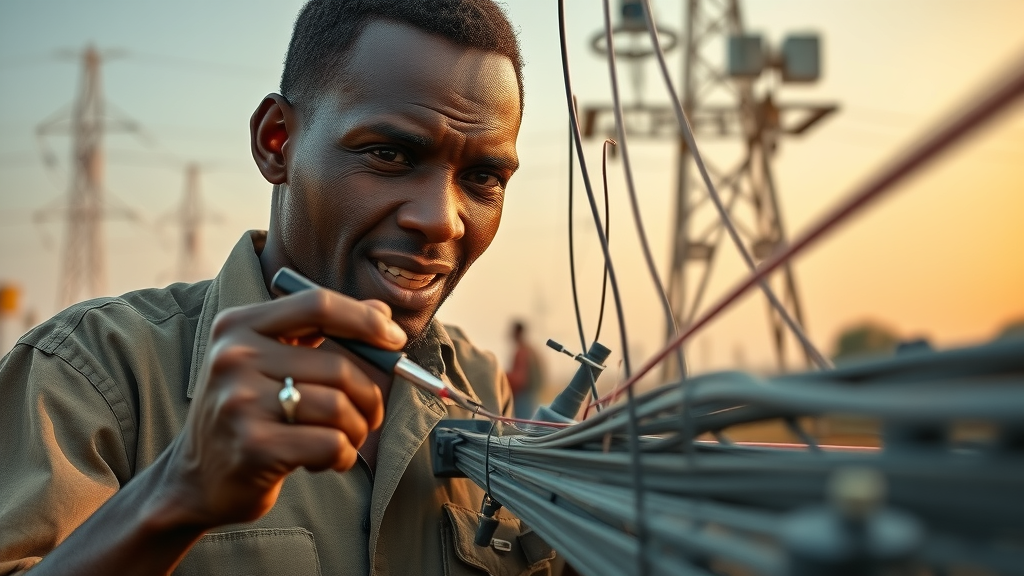
digital infrastructure Africa technician inspecting fiber optic cables rural connectivity

Exacerbating the Digital Divide among African Countries

  • Language and accessibility barriers

  • Rural-urban internet gaps

  • Overlooking gender and youth inclusion strategies

Failure to recognize Africa’s vast diversity—in language, geography, gender, and age—often worsens the continent’s digital divide . Urban centers outpace rural regions, while women and youth frequently lack meaningful internet access, digital skills, or representation in decision-making. Without intentional digital inclusion efforts , technology expands inequalities rather than opportunity.

Emphasizing multilingual platforms , rural infrastructure, and programs tailored for women and young people helps ensure the rewards of digital transformation Africa are shared broadly. Design thinking and human capital investments must be central to every digital initiative.

Overlooking Data Privacy, Security, and Sovereignty in Digital Transformation Africa

  • Weak legal frameworks for digital data use

  • Ignoring cyber security standards recommended by the World Bank

  • Risks of external dependency for core digital infrastructure

Too often, the pace of progress outstrips the development of policies around data privacy, cyber security , and national digital sovereignty. These omissions expose African countries to risks—data breaches, external manipulation, or loss of citizen trust. The World Bank strongly emphasizes that robust legal and regulatory frameworks must be built into every transformation strategy for Africa. Without them, digital public services and private platforms may become vectors for exploitation rather than advancement.

African policymakers need to insist on locally relevant, adaptable standards for cyber security and data ownership. Tapping into international best practices—while defending national interests—can help secure the digital ecosystem and ensure trust in the emerging digital economy .

Not Aligning Digital Strategy with Economic Growth Goals

  • Misaligned investments with real economic needs

  • Narrow focus on technology rather than outcomes for digital economy

Digital transformation efforts sometimes become exercises in technology acquisition rather than real development. African countries risk devoting resources to flashy devices or infrastructure that fails to solve underlying economic challenges. Successful transformation strategies align digital investments with priorities like job creation , SME support, and local industry growth, ensuring every digital leap translates directly into improved livelihoods.

Outcomes, not outputs, must guide decision-making. By measuring the economic growth generated by digital investments—in terms of new businesses, local innovations, and employment—African governments can maximize both the social and financial return on investment.

Neglecting Capacity Building for Governments and Skills Development

  • Lack of training for public officials

  • Failing to invest in STEM and digital skills in education systems

Any transformation strategy for Africa rests on the strength of its people. If digital skills training, STEM education, and ongoing public official upskilling are ignored, breakthrough technologies will go underutilized. Digital transformation Africa cannot succeed without equipping government teams and communities to operate, innovate, and respond to fast-changing realities.

Targeted investments in education, mentorship programs, and community-based tech initiatives build an adaptable, future-ready workforce. Nations that prioritize these human capital foundations outpace those that rely solely on imported expertise or quick-fix technology.
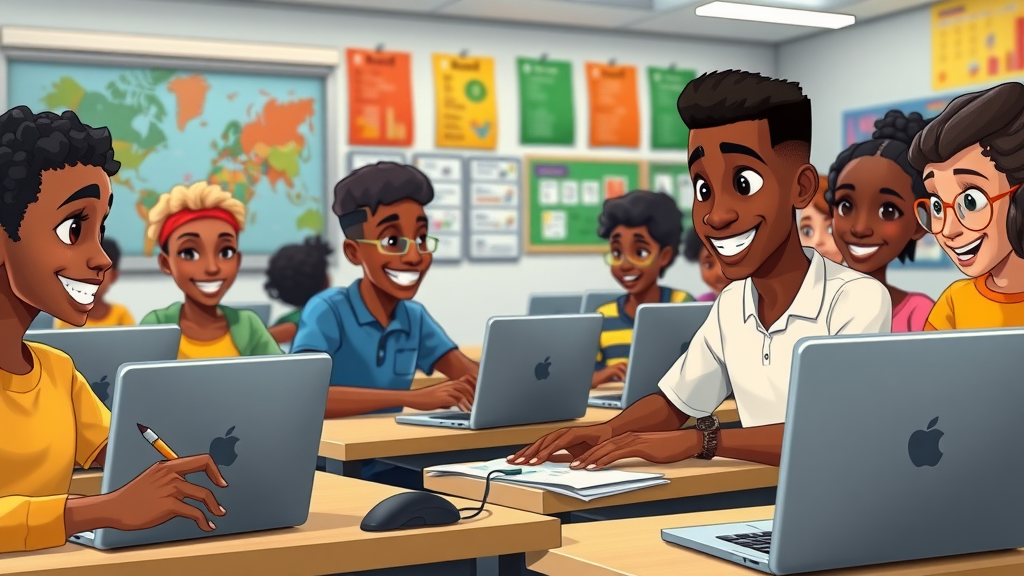
digital skills Africa students learning coding in modern classroom digital boards

Overcentralization vs. Local Innovation in Digital Transformation Africa

  • Ignoring local tech ecosystems

  • Top-down digital public projects that lack community ownership

Relying too heavily on central government control stifles the rich potentials of Africa’s local tech communities. Some of the continent’s most successful innovations—like Kenya’s mobile money platforms—emerged from grassroots experimentation, not from centrally dictated plans. When digital public initiatives ignore local realities, they risk slow adoption or even outright failure.

Empowering community-led digital ventures and giving space for regional experimentation results in solutions that are well-adapted, resilient, and more sustainable. African policymakers must find a balance, creating platforms for innovation without suppressing local entrepreneurial energy.

Absence of Measurement & Feedback Loops in Digital Transformation Africa

  • Not leveraging data for policy feedback

  • Ignoring economic growth indicators specific to digital transformation

Many digital reforms are implemented without continuous evaluation or adaptation. The absence of feedback loops makes it impossible to track what’s working—or fix what’s not. Small, regular measurements of digital economy progress, user engagement, and real-world economic outcomes provide the intelligence needed to redirect failing projects or scale what works best.

Creating a culture of adaptive management—rooted in data and evidence—lets African governments and development agencies learn quickly and respond to evolving needs. It’s not just about launching digital platforms; success is found in their sustainable, measurable impact.

Table: Comparison of Digital Transformation Africa Strategies in Leading African Countries

Country

Digital Infrastructure Investment

Inclusivity Efforts

Alignment with Economic Growth

Kenya

High

Digital literacy campaigns

Focus on mobile money, AgriTech

South Africa

Moderate

Rural digitization

Workforce upskilling

Rwanda

High

Youth innovation grants

E-Government services

Case Studies: African Countries Succeeding (and Fumbling) at Digital Transformation

Rwanda: Digital Public Initiatives Setting Continental Benchmarks
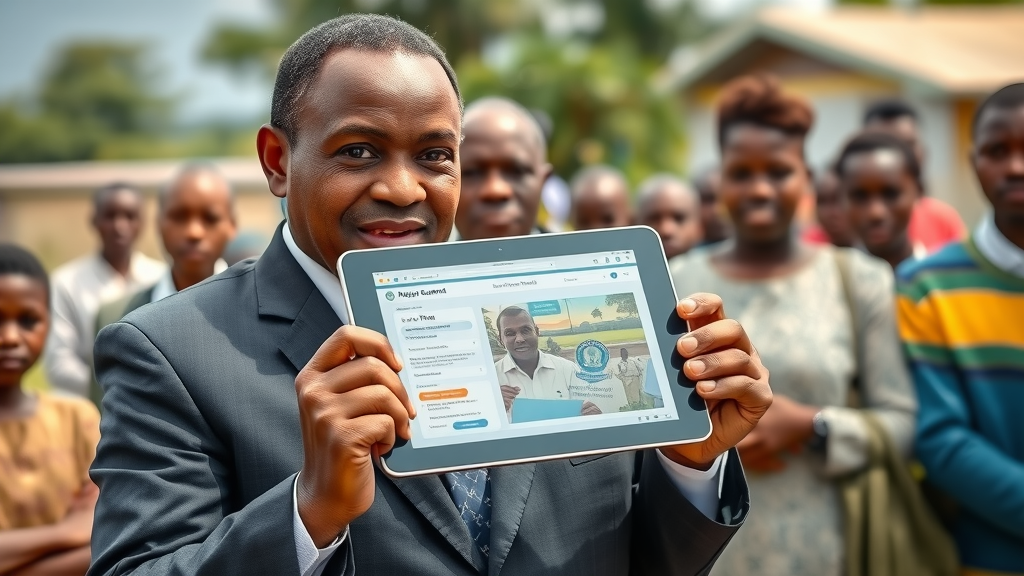
Rwanda digital public e-government unveiling with local community official

Rwanda’s investment in nationwide digital identity and e-government platforms has become a beacon for other African countries. These platforms streamline everything from business registrations to healthcare appointments, removing bureaucratic bottlenecks and empowering both citizens and businesses. By combining a clear digital transformation strategy with inclusive, locally driven initiatives, Rwanda has driven up trust, transparency, and social inclusion.

Backed by World Bank guidance and strong political will, the Rwandan government’s emphasis on youth innovation programs builds a resilient digital public ecosystem. These efforts lay the groundwork for scalable education, healthcare, and commerce solutions that serve as best practices across the continent.

Nigeria: Digital Divide Challenges and Start-Up Resilience

Nigeria’s size and diversity present both opportunities and persistent challenges for digital transformation Africa . While Lagos’s fintech start-ups attract global investment and fuel the digital economy , vast rural populations remain under-connected—frustrating efforts at inclusive digital public access. Logistical hurdles, infrastructure gaps, and regulatory friction limit the country’s ability to repeat its urban successes nationwide.

Despite this, Nigeria’s vibrant tech start-up community showcases tremendous resilience. Local entrepreneurs continue to pioneer solutions in mobile payments, education technology, and agricultural platforms, demonstrating a bottom-up strength that could, with more coordinated policy support, yield transformational national outcomes.

Kenya: Digital Economy Growth Driven by Mobile Technology

Kenya mobile money digital transformation Africa market vibrant fintech innovation

Kenya, best known for innovations like M-PESA, proves how digital transformation can quickly leapfrog traditional barriers. With widespread mobile adoption and savvy regulatory support, Kenya’s digital payment ecosystem has enabled millions to participate in the cashless economy—spanning everything from farming supply chains to small retail.

The government’s digital infrastructure investments and inclusive policy frameworks have ensured that rural communities also benefit. Ongoing digital literacy initiatives and new AgriTech platforms support continued economic growth, marking Kenya as a model for mobile-first digital development on the African continent.

World Bank Guidance: Digital Transformation Africa Policy Essentials

"Success in digital transformation Africa rests on collaboration among governments, industry, and communities." – World Bank Africa Digital Economy Initiative

The World Bank identifies four pillars for digital transformation Africa : robust digital infrastructure, inclusive public access, adaptable legal frameworks, and multisector partnerships. These pillars aren’t just checklists—they’re ongoing commitments requiring policy innovation, data-driven feedback, and shared ownership across sectors.

Building Robust Digital Infrastructure as the First Pillar

Whether it’s establishing reliable fiber optic networks or ensuring 24/7 power for critical systems, no digital revolution can take root without a solid infrastructure backbone. The World Bank urges governments and development agencies to prioritize this investment, setting the stage for all other digital progress.

Smart investment in connectivity makes even the most remote regions full participants in Africa’s digital public sphere. Equitable funding and international partnerships can accelerate progress faster than any single nation acting alone.

Policies for Inclusive Digital Public Access
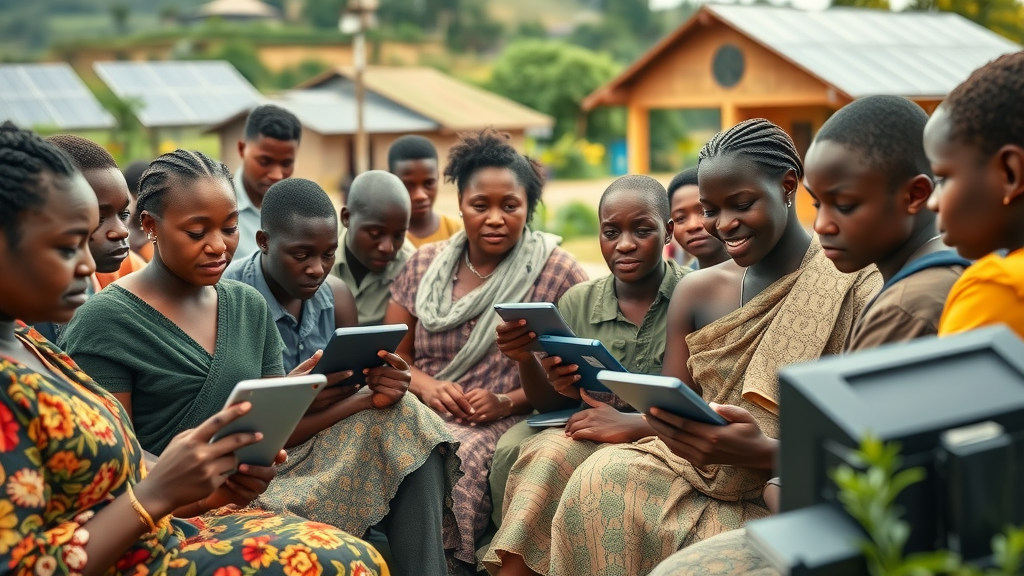
inclusive digital access African rural community digital learning center computers and tablets

Bridging Africa’s digital divide means deliberately including everyone—women, youth, rural communities, and minorities—through tailored digital literacy campaigns, localized languages, and accessible platforms. When designed with inclusion in mind, digital transformation fuels not just economic growth but also social cohesion and equal participation.

Adopting a human rights-based approach to internet access ensures that marginalization is addressed, not perpetuated. Policies must remove both economic and cultural barriers to digital services.

Protecting Data and Digital Sovereignty

African countries must strengthen their own legal frameworks for data protection, cyber security, and digital identity systems. The World Bank urges harmonization with global standards, while defending national interests and citizens’ rights. This will prevent “data colonialism” and ensure African voices shape the future of their digital economies.

Local stewardship of data systems—including digital IDs and payment infrastructure—reduces external dependencies and increases sovereignty over critical assets.

Driving Private-Public Partnerships for Sustainable Digital Transformation Africa

The private sector—both local and international—has a crucial role in building, scaling, and innovating Africa’s digital ecosystems. World Bank policy recommendations encourage African governments to forge incentives for start-ups, streamline regulation, and create spaces where business and government can co-create public value.

Public-private collaboration not only mobilizes resources but embeds local expertise, ensuring sustainability and continuous improvement in digital transformation initiatives.

Bridging the Digital Divide: Real Solutions for African Countries

  • Equitable investments in rural connectivity

  • Community-led digital literacy programs

  • Gender-sensitive digital skills initiatives

mentorship digital literacy gender inclusion digital transformation Africa community tech hub

To bring the benefits of digital transformation Africa to all, interventions must be intentionally targeted. Equitable investment brings rural communities online, while grassroots digital literacy projects close skill gaps at the community level. Prioritizing women and youth in digital upskilling programs addresses longstanding barriers to participation and innovation in the digital economy.

Donors, policymakers, and the private sector must collaborate across silos to drive real inclusion—ensuring that no community or group is left behind.

Enabling Sustainable Economic Growth Through Digital Transformation Africa

  • Market-driven reforms

  • Linking digital transformation to small business support

  • Investing in scalable AgriTech and FinTech platforms

Sustainability is achieved when digital transformation directly feeds economic growth. Market reforms that harmonize regulations and stimulate competition create vibrant ecosystems for African entrepreneurs. Linking digital platforms to the real needs of small businesses—especially in agriculture and financial services—spurs job creation and lifts entire sectors.

Smart investments in scalable AgriTech and FinTech —with a focus on export potential and job intensity—will ensure digital payoffs resonate across the economy.

The Role of Digital Public Infrastructure in Africa’s Future

  • Government service digitization

  • Smart healthcare systems

  • E-learning platforms for broad-based education

From digital IDs to smart health records and e-learning portals, digital public infrastructure powers Africa’s next wave of inclusive service delivery. As more government functions move online, citizens experience faster, more transparent interactions and better access to essential resources.

The result: healthier populations, lifelong learning, and a more connected, empowered society—hallmarks of sustainable economic development and dynamic digital ecosystems.

Key Insights from Stakeholders Shaping Digital Transformation Africa

"African countries need to customize digital transformation efforts, drawing lessons from successful digital public ventures across the continent." – African Union Technology Officer

Every successful journey is unique. African countries—north to south, east to west—should adapt global best practices to their local context, ensuring each step serves their national goals. Lessons from standout initiatives, whether in Rwanda’s e-government , Kenya’s mobile money , or South Africa’s workforce programs , can be customized, not blindly copied. Peer learning and partnership, facilitated by networks like the African Union , will accelerate progress for all.

Watch: Digital Transformation Africa in Action

Video: African Countries Leading the Way in Digital Economy

Explore video stories from Kenya, Rwanda, and Nigeria showcasing how local innovators are tackling real-world challenges with digital solutions.

Watch: Closing the Digital Divide

Video: Rural Broadband Initiatives and Digital Transformation Africa

See how rural broadband expansion is bridging the gap for schools, clinics, and small enterprises in remote African communities.

Answers to People Also Ask: Digital Transformation Africa

What is the digital transformation strategy in Africa?

  • Africa’s digital transformation strategy focuses on enhancing digital infrastructure, expanding connectivity, ensuring inclusive digital public access, and fostering innovation ecosystems—with efforts supported by policymakers, private investors, and development bodies like the World Bank. Leading African countries align digital strategy with economic growth and job creation.

What are the 4 main areas of digital transformation?

  • The four pillars are:

    1. Digital infrastructure development

    2. Digital public services and governance

    3. Digital economy advancement

    4. Digital skills and literacy improvement, all intertwined in Africa’s broader economic growth.

Which country is best for digital transformation?

  • Kenya, Rwanda, and South Africa currently stand out for their digital transformation Africa initiatives, leveraging digital public platforms, local innovations, and robust economic growth policies.

What are the challenges of digital transformation in Africa?

  • Key challenges for digital transformation Africa include underdeveloped infrastructure, persistent digital divide, limited access to investment, data privacy concerns, and a shortage of technological skills in many African countries.

Frequently Asked Questions about Digital Transformation Africa

What role does the digital economy play in digital transformation Africa?

The digital economy forms the backbone of Africa’s digital transformation, enabling new business models, job creation, and scalable solutions for public and private sectors. By integrating digital payments, e-commerce, and online platforms, African countries can drive sustainable economic growth and reach previously excluded communities.

How can African countries fund large-scale digital infrastructure projects?

African governments often rely on combined strategies: public budget allocation, international development aid (from groups like the World Bank and United Nations ), and public-private partnerships that attract investment from both local and global firms. Blended finance models and risk-sharing mechanisms have become essential tools for funding foundational digital infrastructure.

What are examples of successful digital public programs in African countries?

Kenya’s M-PESA revolutionized digital payments ; Rwanda’s Irembo portal streamlined e-government access; and Senegal’s youth-driven coding academies show how inclusive digital programs can spur economic growth, public efficiency, and workforce development. These cases highlight the importance of context-specific solutions.

How is the digital divide being addressed in digital transformation Africa?

The digital divide is tackled with a mix of rural broadband expansion, affordable device programs, local-language content, and widespread digital literacy campaigns. Inclusive policies and targeted infrastructure investments ensure marginalized groups—women, rural youth, the disabled—can participate fully in Africa’s rising digital ecosystem.

Five Takeaways for Policy Makers, Innovators, and Investors in Digital Transformation Africa

  • Address foundational digital infrastructure gaps

  • Design inclusive solutions bridging the digital divide

  • Prioritize data sovereignty and local innovation

  • Align digital transformation with national economic growth objectives

  • Measure, adapt, and learn continuously from on-the-ground results

Act on these principles to unlock digital transformation’s full promise—ensuring every investment leads to lasting, inclusive progress.

Act Now: Strategies to Lead Digital Transformation Africa’s Next Wave

  • Invest in digital public platforms and local talent

  • Champion cross-sector collaboration

  • Push for inclusive, forward-thinking digital transformation Africa policies

The window for meaningful change is open. Digital transformation Africa will be defined not by the technology itself, but by the leadership, innovation, and inclusion it inspires. Act now to shape a digital future that works for all.

Conclusion: Build foundational infrastructure, empower people with digital skills, measure progress, and lead collaboratively—these are the pillars of sustainable digital transformation Africa. Take bold steps today to influence Africa’s digital tomorrow.

Digital transformation in Africa is a pivotal force driving economic growth and social inclusion across the continent. To delve deeper into this subject, consider exploring the following authoritative resources:

  • The World Bank’s report, “Digital Africa: Technological Transformation for Jobs” , examines how digital technologies can create employment opportunities and reduce poverty in African countries. ( worldbank.org )

  • The European Commission’s article, “EU and Africa strengthen cooperation on digital transformation” , discusses collaborative efforts to support Africa’s digital transformation through policy dialogue and joint initiatives. ( digital-strategy.ec.europa.eu )

These resources provide valuable insights into the strategies and collaborations shaping Africa’s digital future.

AI Horizon

13 Views

0 Comments

Write A Comment

*
*
Please complete the captcha to submit your comment.
Related Posts All Posts

Can AI Help Save Africa's Oral History Before It Disappears?

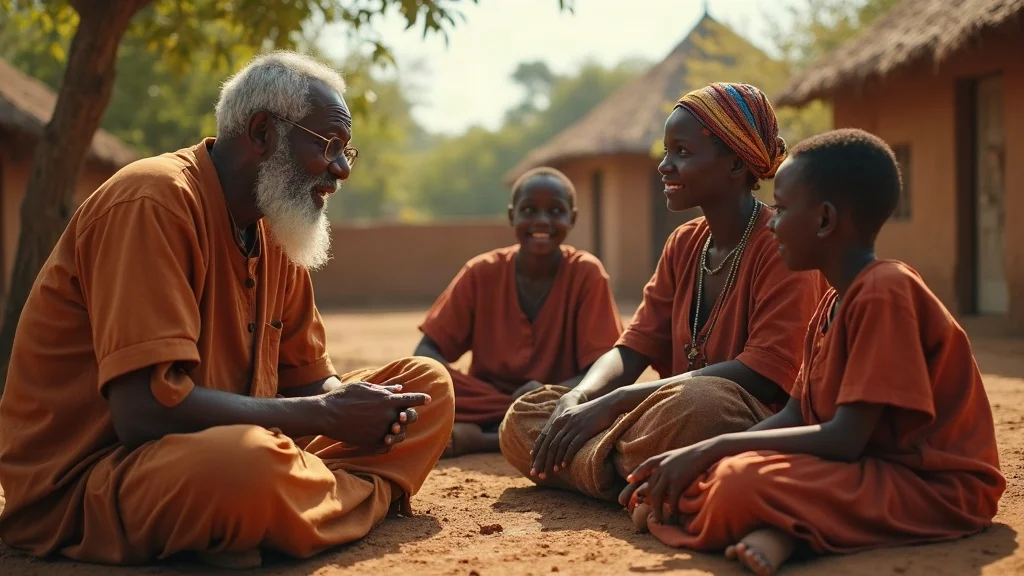
Imagine a twilight village gathering: elders in a ring, vividly narrating the journeys of ancestors, their words igniting curiosity in children. Yet, across Africa, such scenes are growing rare. With each elder lost, unique oral tales fade—risks that technology may be able to counter. Today, ai preserving african history stands at the crossroads of tradition and innovation, raising the question: Can artificial intelligence truly rescue Africa’s vanishing oral heritage, giving these living libraries a new lease on life? An Urgent Call: Observing Africa's Disappearing Oral History Across the continent, oral history is the living heartbeat of Black heritage, shared generation to generation through spoken word, song, and performance. However, modern pressures—urbanisation, migration, globalisation—put immense strain on these traditions. The unique knowledge held by griot and grits, Africa’s storied keepers of historical document and memory, now faces unprecedented threats. As elders pass on, and with them irreplaceable archives of local knowledge, identity, and resilience, a race against time unfolds. The march of digital progress, ironically, has widened the gap between past and present. Here, the intersection of heritage preservation and technology becomes vital. This article is prompted by a sense of urgency: unless innovative solutions like artificial intelligence and hybrid cloud are mobilised as tools to explore and secure these voices, countless oral histories could vanish, inaccessible to a global audience now hungry for authentic Black history and cultural heritage. With the stakes so high, we must ask how responsible technological archiving can balance power, authenticity, and community stewardship in this delicate work. Personal Reflection on the Value of African Oral Stories As a child, I sat at my grandmother’s knee, entranced by tales of trickster animals and heroic ancestors. Each story was not simply entertainment—it was a lesson, a map of values, a living tie to my roots. These moments of oral storytelling shaped my understanding of identity. Today, witnessing the encroaching silence as older generations disperse or pass, I am struck by a deep sense of loss. The songs and proverbs that animated my youth risk becoming echoes. Realising that ai preserving african history might offer a bridge between worlds fills me with both hope and caution. We must ensure these efforts amplify community voices, not replace them, so that the wisdom of our elders remains vivid for future generations. What You'll Learn The significance of ai preserving african history in today’s digital age How artificial intelligence can serve as Africa’s modern griot and grits The intersection of hybrid cloud technology and heritage preservation Potential challenges and ethical dilemmas with ai preserving african history Practical examples and recommendations for the future of Black history archiving As we consider the evolving landscape of digital archiving, it's important to recognise that the journey to preserve African oral traditions is ongoing and multifaceted. For those interested in how these efforts are developing and the broader context of digital heritage work, you can find additional perspectives and updates on initiatives in progress at She Evolves Africa, which highlights community-driven approaches and the challenges faced along the way. Understanding Oral Heritage: Why ai Preserving African History Matters Africa’s oral traditions are more than lore—they are the beating heart of cultural heritage. From the epic poetry of the Mandé griots of West Africa to the folk tales recited by Xhosa elders, these stories pass down wisdom, history, social codes, and the lived experiences of communities. Unlike written historical records that may be stored in hidden archives, oral histories are interactive, participatory, and constantly evolving, embodying communal memory. However, oral traditions face peril in an era valuing written and digital documentation. The loss of a single storyteller—an irreplaceable griot or grit—can mean the extinction of centuries-old knowledge. The relentless march toward modernity increases pressure to pivot towards new, digital methods of heritage preservation. But this evolution brings risks: if the transition is rushed or mishandled, language nuances, unique dialects, and cultural context could be lost in translation. Therefore, today’s challenge is twofold—leveraging the power of AI and digital archiving while safeguarding authenticity and safeguarding the integral role of local custodians. Role of Griot and Grits in Black History For centuries, griot and grits have been the living libraries of black history—musicians, poets, genealogists, and storytellers who commit entire historical events and cultural values to memory. In many African societies, a griot holds a pivotal role as a cultural archive themselves, shaping collective identity and serving as living, breathing links between ancestors and new generations. Their poetry, songs, and spoken word retell not just personal anecdotes, but historical documents—wars, ancestral lineages, moral parables, and lessons of resilience. These storytellers do more than entertain; they foster unity and identity formation, anchoring younger listeners in a deep, shared past. The challenge, however, is that when not recorded, these stories are as fragile as memory itself. The rise of artificial intelligence offers a radical transformation—providing new ways for griots and grits to digitise their gifts, secure their marks on history, and share their wisdom with a global audience long after voices fade. Threats Facing Heritage Preservation in Africa Unfortunately, the cultural preservation of oral traditions in Africa is under siege. Urban migration draws young people from rural communities, causing traditional storytelling gatherings to dwindle. Political instability, economic hardship, and conflict further erode opportunities for heritage preservation. Moreover, climate change and natural disasters can scatter communities, literally and figuratively washing away memories, artifacts, and archives. There is also the encroachment of outside narratives—documentaries, textbooks, and digital projects produced without local context, risking a filtered or inaccurate retelling of Black history. The absence of proper tools to explore and digitise oral assets means stories become trapped in the memories of individuals rather than preserved in history archives accessible to a global audience. Here, the thoughtful use of ai technology could shift the equilibrium towards inclusive, enduring preservation, but only if action is taken rapidly and responsibly. AI Preserving African History: Promise or Peril? The intersection of ai preserving african history and heritage preservation is both exciting and fraught. AI promises to listen, transcribe, translate, and even reconstruct language, accent, and performance nuances previously unrecordable. Hybrid cloud solutions allow these large-scale archives to be stored securely and made accessible to a global audience, while machine learning sorts, identifies, and reconstructs fading dialects. Yet, it is not without peril—these technological advances risk standardising or misrepresenting nuanced oral histories and, if misused, may amplify external or commercial narratives at the expense of community voices. Essentially, AI functions as a modern griot: it can remember, retrieve, and even simulate the breaths and inflections of lost storytellers. But there are critical boundaries—AI cannot replicate the soul of lived experience or improvise with the same meaning a human might. The challenge is to wield these technologies as sensitive tools to safeguard cultural heritage and ensure the power of archived oral histories is not diluted. How Artificial Intelligence Intersects with Heritage Preservation AI technologies such as natural language processing (NLP) and speech recognition enable the transcription and translation of oral stories, capturing intonations, slang, and dialects. For instance, audio recordings of rituals and praise songs can be processed and indexed for future generations. AI and virtual reality platforms transform static records, making the past immersive—breathing life into dusty archives and making them accessible to a global audience. Generative AI can even help reconstruct lost tales by identifying linguistic patterns and collaboratively generating story variations. Critically, advanced ai models must be open source and culturally attuned to avoid erasure or distortion, ensuring the integrity of black history. In responsible hands, the use of AI provides unprecedented opportunities to collaborate with living griots, enabling community-driven history archives to flourish. The Potential of Hybrid Cloud in Digital Archiving Hybrid cloud technology occupies a central role in ai preserving african history. The massive datasets created by oral recordings and interactive digital archives require scalable, secure storage. Hybrid cloud platforms combine the resilience of local servers with the accessibility of global cloud resources, keeping sensitive cultural digital storytelling records under the control of their originating communities while also making them accessible to academic, diaspora, and future generations. In practice, this means that a historical event or interview preserved by a local historian can be uploaded, indexed by AI for quick retrieval, and stored with replicas in multiple locations to prevent loss. With proper consent, these archives can be opened to educational institutions, researchers, or shared during cultural festivals online. Hybrid cloud, then, acts as a seamless bridge—empowering griot and grits to reach new audiences without ceding ownership of their own history. Stories Reimagined: Bridging Past and Present with AI With AI and virtual reality, there is a new opportunity to reimagine the experience of African storytelling. Imagine putting on a headset and witnessing the lively dances and tales as if seated by the original fire pit, or exploring audio archives with interactive digital overlays, hearing the ancient words in their mother tongue. Generative AI tools can translate local proverbs or recreate lost narratives with community input, making them not just preserved but also living, evolving, and engaging. This approach does not mean the replacement of traditional griot and grits. Instead, it intends to support their vital role, making sure their performances reach a global audience and inspire those disconnected from their roots. When balanced with ethical oversight, digital griots and hybrid cloud-based storytelling offer real hope for the sustainability of Black history. Lists: Key Technologies Empowering AI Preserving African History Natural Language Processing (NLP) Speech Recognition and Reconstruction Hybrid Cloud Platforms for Scalable Storage Data Annotation Tools for Oral Traditions Machine Learning for Story Categorization Quotes: Thought Leaders on AI and Heritage Preservation "AI gives us the tools to encode, cherish, and restore the voices we cannot afford to lose." – Contemporary historian "Digital griots can bridge lost generations, giving our past a future." – African storyteller Success Stories: Early Initiatives Using AI to Preserve Black History Across Africa, early adopters are already demonstrating the potential of ai preserving african history. Initiatives work with communities to record folk songs and oral biographies in local dialects, passing the material through AI for transcription and digital archiving. These projects highlight how AI models foster collaborative storytelling, turning what was once an ephemeral event into a preserved, searchable, accessible digital asset. Crucially, success stories show that the best results come from projects where local griot and grits are collaborators, not just sources. With flexible, open-source platforms and hybrid cloud storage, these archives grow over time, enabling constant community review and input, which ensures that heritage preservation remains authentically African. Case: Collaborative Storytelling with Griot and Grits One standout case involves a university project in Ghana where elders worked side by side with technologists, recording thousands of tales. With the power of AI, stories are not only transcribed but also translated and indexed by region, language, and theme—creating a living map of cultural knowledge. This collaboration between human wisdom and digital innovation preserves the contextual and emotional range that makes Black history so vibrant. Such projects empower communities, giving them tools to explore their own archives and pass them seamlessly to the next generation. By ensuring community control over digital assets, these digital griots foster new connections across physical distance and generational divides. Hybrid Cloud Solutions in Real-time Heritage Preservation Hybrid cloud technology is central to preserving oral traditions in real-time. During a recent community archiving event in Nigeria, participants recorded elders’ voices onto mobile devices, uploaded files to the cloud, and reviewed transcripts for accuracy before publication. This flow—from field recording to secure hybrid archiving—means materials remain accessible, editable, and locally owned, mitigating risks of data loss or misappropriation. Such initiatives underscore the importance of combining local knowledge with advanced technological infrastructure. AI-powered search tools allow community members to find their own stories quickly, share them globally, and influence future generations. In this way, hybrid cloud doesn’t just store history—it actively shapes the ongoing narrative of Black identity and collective memory. Tables: Comparing Traditional and AI-Driven Heritage Preservation Method Traditional Archiving AI-Driven Digital Archiving Storage Physical tapes, transcribed scripts Hybrid cloud, searchable digital repositories Access Localised, sometimes restricted Accessible to a global audience online Preservation Risks Loss, decay, fire, migration Multiple backups, redundancy, disaster recovery Community Involvement Occasional, in-person only Active participation, collaboration, virtual review Representation Dependent on archivist’s perspective AI-assisted, with input from many voices AI Preserving African History vs Traditional Archiving Methods Traditional archiving often relies on physical tapes, hand-written transcriptions, or local museum collections—resources vulnerable to time, climate, and unrest. While these methods offer tangible connection, their reach is limited and the risk of complete loss is high. In contrast, ai preserving african history leverages hybrid cloud for instant duplication, community oversight, and resilience against disaster. AI-driven solutions democratise access, making Black cultural heritage not only resilient, but visible and actionable for new generations. This shift enables authentic voices to define their own history archives, not simply be interpreted by outside scholars. It bridges rural and urban divides, preserves dialectical nuance, and makes collective memory vibrant, interactive, and globally accessible—breathing life into the archive itself. Ethical Reflections: Ownership and Representation in AI Preserving African History With power comes responsibility. While ai preserving african history offers incredible potential, ethical questions persist. Who owns the digital versions of these stories? Can AI, built on globally-trained models, reliably interpret the subtlety and intent of oral histories? Most importantly, how can communities retain agency over their own narratives in a digital age dominated by commercial interests and external actors? These are not academic worries—they shape the very future of Black history and cultural preservation. The successful future of history archives in Africa will depend on community-led design, ethical use of open-source ai models, and robust safeguards against misappropriation or distortion. Community Consent and Control Community consent is the ethical cornerstone of AI-driven heritage preservation. Before recording, uploading, or analysing a story, clear guidelines must be set by and for the community. Only with full understanding and approval can digital projects avoid exploitation and foster trust. Equally, communities must maintain access—owning their digital storytelling tools, editing rights, and the ability to remove or update content over time. In practice, this means regular review panels, transparency about where and how oral histories are shared, and a commitment to passing digital stewardship between generations. This collaborative model, grounded in local values, ensures that the legacy of griot and grits is not only preserved but keeps evolving with active community voice. Risks of External Narratives in Black History One pressing risk of digitising African history with external help is narrative distortion: outside interests may unintentionally prioritise stories that suit global audiences or commercial platforms, rather than representing the true diversity of local voices. The use of AI must be continually reviewed for bias, both in data collection and machine learning interpretation, to uphold the authenticity and dignity of Black history. Balancing global accessibility with local context is essential. Hybrid cloud and open-source models empower local participation, but oversight, participatory governance, and education on AI technologies help communities hold control in the face of outside influence. Only then can AI become a genuine ally in telling Africa’s story as it deserves to be told. People Also Ask How can AI help preserve African oral traditions? AI can record, transcribe, and categorise oral stories in multiple dialects, storing them in digital archives that are accessible to future generations. By using AI models to translate and reconstruct the nuances of storytelling, unique voices and expressions are preserved rather than lost to time. Importantly, combining AI with community guidance ensures that these oral histories keep their cultural authenticity while becoming accessible to a global audience. What challenges do AI and hybrid cloud technologies face in heritage preservation? Technical and ethical challenges abound in the digital preservation of African oral history. AI and hybrid cloud platforms must deal with language diversity, data privacy, internet access, and community consent. Additionally, there is the ongoing risk of losing authenticity if stories are detached from their cultural roots, or if projects prioritise commercial over cultural value. Only by prioritising local ownership and ethical stewardship can these hurdles be overcome on the path to sustainable heritage preservation. Can digital griots replace traditional storytellers in black history? While digital griots powered by AI can archive, share, and amplify oral stories for a global audience, they cannot fully replace the lived connection and nuanced improvisation of traditional storytellers. These technologies work best as supportive tools, preserving elders’ voices and extending their reach, but must always respect the irreplaceable role griot and grits play in cultural continuity and community identity. Are there successful examples of AI preserving African history today? Yes, there are several emerging projects where AI and hybrid cloud technologies have been used to document and digitise African folklore, oral biographies, and performance traditions. These initiatives often involve collaborations with local griots and the broader community, ensuring authentic representation and stewardship. As these projects scale, they provide hopeful roadmaps for further history archives—accessible, secure, and community-centred. Short documentary video showcasing active AI-driven oral history projects in Africa, featuring interviews with local historians, storytellers, and technologists, scenes of cloud-based archiving, and vibrant community engagement. Lists: Practical Steps for Communities Engaging in AI Preserving African History Engage storytellers and local historians for authentic narrative input Partner with AI technologists for customised solutions Utilise hybrid cloud for accessible, scalable, and secure storage Prioritise community consent in digital archiving projects Regularly review and update archives for accuracy and inclusivity FAQs Is AI reliable for capturing all dialects and languages in African history? AI is becoming increasingly reliable for recording and understanding African dialects and languages, especially with open-source AI tools and community involvement. However, limitations remain, especially with under-documented or endangered tongues. Collaborative development, ongoing annotation, and active local participation are essential for ensuring accuracy and cultural sensitivity in AI-driven projects. What role does hybrid cloud technology play in preserving oral records? Hybrid cloud technology empowers communities to store and safeguard oral histories on a global scale while retaining local control and security. This approach ensures archives are both resilient to data loss and easily accessible, bridging digital divides and supporting inclusive history preservation that local storytellers can revisit and contribute to at any time. Key Takeaways ai preserving african history can bridge generational gaps in knowledge Hybrid cloud empowers secure, scalable preservation of oral traditions The voices of griot and grits are vital to ensuring authenticity in black history Community involvement and ethical oversight are essential foundations A Future Chronicle: How Will Africa’s Stories Endure? The world is watching as Africa weaves old and new, investing in ai preserving african history to ensure its chronicles survive and flourish. With hybrid cloud, open-source AI, and ethical collaboration, Africa’s oral legacies can live on—not as relics, but as vibrant resources for the future. If this exploration of AI’s role in safeguarding Africa’s oral traditions has sparked your curiosity, there’s a broader conversation unfolding about the future of digital heritage and community empowerment. As more projects emerge and technology evolves, staying informed about ongoing developments is key to understanding how these innovations shape cultural identity. For a deeper dive into the evolving landscape of African digital storytelling and to see how communities are actively shaping their own narratives, visit She Evolves Africa. Discover how you can be part of the movement to ensure Africa’s stories are not only preserved, but continue to inspire generations to come. Take Your Place In The Anthology https://themeridian.africa/pioneer-voices Sources: The Meridian - Pioneer Voices UNESCO - Oral Heritage Microsoft News - AI Preserves Africa’s Storytelling Traditions IBM Case Studies: Heritage AI Projects In the quest to preserve Africa’s rich oral traditions through artificial intelligence, several pioneering initiatives have emerged. The AfriX project is developing a blockchain-backed legacy infrastructure aimed at safeguarding identity, family lineage, and oral history across the continent. This platform seeks to ensure that cultural narratives are preserved and accessible for future generations. (lightcode.org) Similarly, the African AI Heritage Labs, a flagship program of the AI for Cultural Heritage Institute, focuses on the ethical preservation of cultural heritage through community-sensitive AI technologies. This initiative emphasizes direct community involvement to ensure that technological solutions are both effective and respectful of cultural contexts. (aiforculturalheritage.org) For those interested in the intersection of AI and cultural preservation, these resources offer valuable insights into how technology can be harnessed to protect and celebrate Africa’s oral histories.

How African Women Can Build Authority in an AI-Driven Internet

Imagine a vibrant co-working space filled with passionate African women—technologists, coders, and policy-makers—huddled around screens aglow with the pulse of artificial intelligence. A decade ago, this image was a rare occurrence. Today, as AI becomes the heartbeat of the digital world, African women are stepping boldly into the frame, eager to shape conversations and lead the development of technology across the continent. But in a landscape frequently dominated by Western priorities and narratives, how can African women claim authority in an AI-driven internet? This article serves as both a mirror and a map, tracing the realities and sharing actionable strategies to ensure that the internet of tomorrow reflects African voices, values, and visions. Charting the Landscape: how african women can build authority in an ai-driven internet Observational scenario depicting the underrepresentation of African women online amidst the rise of artificial intelligence; introducing the urgency for AI relevance with an African lens. The digital era, powered by rapid advances in artificial intelligence, sorely underrepresents African women in its global logic. As algorithms shape economies, communications, and even governance, the absence of African perspectives risks entrenching biases and excluding unique insights. The main keyword—how African women can build authority in an AI-driven internet—is no longer just a rhetorical question; it is an urgent challenge and an opportunity. Authority here means more than technical expertise: it means influencing AI policy, serving as visible leaders, and embedding African priorities—such as data protection, indigenous language support, and context-relevant ethics—at every level of AI adoption and implementation. AI’s growing role across the continent means African women must make informed decisions, leveraging AI to create sustainable development while bridging the digital divide. Initiatives for digital literacy, AI tool training, and community-based AI governance are rising—but progress is also hampered by existing biases and structural gaps. Understanding how African women can build authority in an AI-driven internet is about dismantling barriers, amplifying African narratives, and ensuring that the next wave of machine learning and policy is shaped as much in Lagos or Accra as in Silicon Valley. As African women navigate these challenges, it becomes essential to seek out platforms and communities that foster growth and visibility. For those interested in connecting with like-minded innovators and accessing resources tailored to their journey, She Evolves Africa offers a supportive environment for women shaping the continent’s digital future. What You’ll Learn About how african women can build authority in an ai-driven internet The societal and technological barriers facing African women in AI Strategies for navigating AI governance and building leadership Insights on leveraging community networking and gaining visibility Real-world stories from leading African women in artificial intelligence African Women in Artificial Intelligence: Current Realities and Emerging Narratives Persistent Gaps: The Role of Gender and Regional Representation in Global AI Spaces Challenges facing African women in AI policy and AI governance; key differences from Western narratives “African women are redefining artificial intelligence with unique cultural, linguistic, and ethical insights that shape technology for the continent.” African women are finding their voices in AI, but still face significant walls. Global AI development often overlooks regional realities, perpetuating a skills gap that disadvantages those outside well-funded Western institutions. Even in progressive African countries, gender and technology sectors—like e c (engineering and computing)—experience slow change. The challenge isn’t a lack of talent but a disconnect in policy, mentorship, and resource allocation, compounded by historic social norms. For many African women, being part of AI governance or policy circles means navigating spaces with limited representation and a focus on Western priorities. These persistent gaps mean that African women must not only become AI experts but also champion a continent-specific agenda. From South Africa to West Africa, their unique perspectives on data protection, language diversity, and community-driven AI implementation can guide global best practices. But only if regional voices gain real authority. This means more than being invited to the table; it requires consistent engagement, collaborative leadership, and influence on key decisions that impact the future of artificial intelligence across Africa. Inspirational Case Studies: African Leaders and Black Women Shaping an AI-Driven Internet Profiles of top black women in AI and influential African leaders; their policies, initiatives, and contributions Name Country Initiative/Contribution Focus Area Dr. Vukosi Marivate South Africa AI for Societal Good Lab AI governance, language technology Dr. Timnit Gebru Ethiopia/Global Advocacy on Ethical AI AI policy, data ethics Dr. Joy Buolamwini Ghana/USA Algorithmic Justice League Bias in machine learning Dr. Angela Tabiri Ghana African Women in Mathematics Mentorship, gender equity Dr. Musola Kaseketi Zambia Accessible AI in Health Inclusive technology adoption These African leaders are not only experts in AI but also architect policies and communities that reflect the continent’s lived realities. Their work exemplifies how African women can build authority in an AI-driven internet, impacting e c, policy transformation, and advocacy for diversity. Historic Challenges: Barriers African Women Face in Building Digital and AI Authority Structural and Societal Roadblocks to building authority in global ai dialogue Digital divide, access gaps, and education challenges; gender biases in regional tech communities; impact on career advancement in artificial intelligence and e c sectors Structural barriers run deep: the digital divide persists, especially in rural areas where internet access and modern devices are scarce. Many African women face additional obstacles when pursuing STEM education, battling not just inadequate educational infrastructure but prevailing attitudes that technology is a male domain. In several African countries, regional tech communities can reinforce gender biases, restricting chances for women to upskill or gain mentorship in artificial intelligence. Career advancement in e c (engineering and computing) sectors is further hindered by the lack of visible leadership and supportive networks. This skills gap isn’t a matter of potential but persistence of old norms. Until national AI policies prioritise gender inclusion and digital literacy, many talented African women will remain on the margins of global AI conversations. Overcoming these roadblocks demands addressing both policy and culture with equity at the forefront. The Burden of Cultural Expectations and Underrepresentation Case examples from South Africa and other regions; interplay between tradition and modern leadership African women often carry the weight of traditional expectations at home and at work. In countries like South Africa, Nigeria, and others, balancing leadership ambitions with familial roles can be daunting. Cultural expectations may discourage women from taking on public leadership or technical expert positions, reinforcing underrepresentation in digital and AI authority roles. However, emerging narratives are rewriting this script. Women-led AI startups, research labs, and advocacy groups have become springboards for blending traditional values with contemporary leadership. South African case studies reveal that when women are empowered, their communities benefit from AI tools shaped for local problem-solving—from language technologies that reflect indigenous voices, to e c-driven tech for rural healthcare. True authority emerges when cultural heritage informs, not inhibits, participation in the AI landscape. Key Strategies: How African Women Can Build Authority in an AI-Driven Internet Leveraging Pan-African Networks and Alliances in Artificial Intelligence Overview of the growing network of African women in AI; collaborative efforts amplifying African voices Pan-African networks are critical for amplifying African women’s voices in the global AI dialogue. Initiatives like African Women in AI and the Deep Learning Indaba reach across the continent—building collaboration between academia, industry, and grassroots organisations. These alliances cultivate knowledge sharing, mentorship, and policy engagement at national and continental levels. Such collaborative networks allow African women to leverage AI collectively for sustainable development, bridging knowledge gaps and offering unified responses to regional and global AI policy. By working together, these communities ensure that African values—especially inclusion, equity, and local relevance—are central in shaping the next generation of AI governance and implementation. Education, Mentorship, and Open Access to AI Policy Discourse Role of national AI policies; mentorship choices and programs; accessing and influencing AI governance Education sits at the heart of building digital authority. National AI policies must prioritise access to quality STEM and AI education for girls and women, including scholarships, fellowships, and opportunities for international exchange. Mentorship—both informal and structured—offers a pathway for emerging talent to connect with established AI experts and leaders. Open access to AI policy discourse is vital. More African women must be present—both physically and virtually—at tech conferences, policy forums, and influencer platforms. This visibility ensures African insights inform global and national AI policies, helping build a more robust, inclusive technology sector across the continent. With continuous advocacy and capacity-building, African women can shape not just their own future, but the ethos and trajectory of AI implementation in Africa. Championing African Values in AI Policy and Innovation Promoting cultural heritage in national and global AI; advocacy for ethical standards reflecting African realities Championing African values in AI means ensuring technology development respects cultural diversity, fosters equitable access, and addresses issues specific to African contexts—such as local languages, data protection, and ethical norms. Advocacy groups and individual leaders must push for ethical AI policies and innovation reflecting African social realities rather than imported solutions. AI governance, when shaped by African women, can centre values like community, solidarity, and sustainability. These principles guide not just technical solutions but the creation of AI tools that genuinely promote inclusive progress. African-led AI policy can model respect for diversity, local wisdom, and the right to informed choices, ensuring AI serves as a force for positive transformation. Elevating Influence: Tools and Platforms for how african women can build authority in an ai-driven internet Essential Digital Platforms, Resources, and Training Initiatives AI fellowships African women in AI networking events Online learning opportunities tailored for women Emerging digital platforms play a catalytic role in building authority for African women in AI. Learning platforms like Data Science Nigeria, Zindi, and African women-focused online bootcamps are making technical and leadership training more accessible. These resources address the AI landscape’s skills gap, offering content tailored for women at all levels, from beginners to aspiring technical experts. Events and fellowships widen the pipeline by connecting African women to global AI networks, creating mentorship opportunities, and facilitating knowledge exchange. By frequently participating in African women in AI networking events, aspiring leaders can gain not only skills but confidence—and, crucially, visibility within the broader e c community. These platforms and initiatives underpin sustainable development by ensuring every generation of African women can find and take their place in the growing AI ecosystem. Amplifying Our Stories: Using Media to Shape AI Narratives and Policy Community storytelling; importance of local and regional media; digital content as advocacy Telling authentic stories matters as much as mastering technical tools. African women must elevate their experiences, projects, and perspectives through blogs, podcasts, regional news outlets, and digital storytelling platforms. Local media help counter one-dimensional narratives originating from outside the continent, offering fuller accounts of African-led successes and challenges. Digital content is also advocacy—helping African women influence AI policy, showcase solutions tailored for African contexts, and inspire others to join the AI conversation. Community storytelling reinforces a legacy of leadership, building networks of support and amplifying impact across the continent. People Also Ask: Insights into African Women and AI Authority Building Which African country is leading in AI? Exploration of national AI success stories and regional leadership in artificial intelligence While several African countries are advancing AI, South Africa is recognised for spearheading research, policy, and innovation in artificial intelligence. National AI strategies there focus on education, government data protection, and inclusive AI tool development. Nigeria and Ghana also lead in training and policy discussions, each producing thought-provoking AI experts and contributing to AI governance across the continent. This leadership is vital as other regions, such as West Africa and East Africa, increasingly adopt AI policies driven by local needs. What is the network of African women in AI? Introduction to major alliances, their missions, and memberships The network of African women in AI is anchored by initiatives like “African Women in AI” and “Women in Machine Learning and Data Science. ” These alliances support African women through mentorship, technical training, AI conferences, and advocacy. Their mission is to enable African women to leverage AI for socio-economic upliftment, policy influence, and cultural innovation, connecting thousands across the continent in global AI policy and e c circuits. Who are the top black women in AI? Highlighting pioneering individuals and their AI governance, policy, and advocacy work Top Black women in AI include globally recognised figures like Dr. Timnit Gebru (Ethiopia/Global), known for her advocacy in ethical AI and data justice, and Dr. Joy Buolamwini (Ghana/USA), who leads the Algorithmic Justice League in combating bias in algorithms. Within Africa, leaders such as Dr. Angela Tabiri (Ghana) and Dr. Vukosi Marivate (South Africa) are leaving an indelible mark through research, mentorship, and AI policy innovation. What is the African strategy of AI? Explaining ongoing efforts around global AI relevance and emerging continental frameworks Africa’s AI strategy is emerging through a blend of national AI policy development, regional collaboration, and a focus on sustainable development. Efforts include frameworks for responsible AI implementation, standardised data protection, and the promotion of indigenous language AI tools. By aligning policy to local realities as well as global AI trends, the continent aims to develop an inclusive AI landscape that nurtures homegrown solutions for education, health, agriculture, and governance. FAQs on How African Women Can Build Authority in an AI-Driven Internet How can African women become more visible in global AI leadership? African women can gain visibility by engaging in pan-African networks, participating in international hackathons and policy forums, sharing their achievements on digital platforms, and mentoring upcoming talent. Visibility increases with sustained involvement in national and global AI initiatives, as well as through storytelling and advocacy in local media. What are the most pressing challenges in AI governance for women leaders? The most pressing challenges include gender bias in policy-making circles, lack of access to advanced training, and societal expectations that limit leadership opportunities. Overcoming these hurdles requires robust national AI policies, cross-sector collaborations, and persistent advocacy for inclusion at all levels. Are there specific AI tools or technologies tailored for African contexts? Yes. Several AI tools are developed with African languages, local data sets, and community needs in mind. These include machine learning applications for agriculture, AI-powered health diagnostics for rural clinics, and tools focusing on education and access for underrepresented populations. Key Takeaways on Building Authority in an AI-Driven Africa Assert agency—embrace mindset shifts that prioritise digital participation and leadership Engage with pan-African networks, mentorship, and digital platforms for AI upskilling Champion African values in policy, innovation, and ethical discourse to ensure AI serves local realities Tell your story—visibility drives legacy and inspires the next generation Join the Movement to Shape AI’s Future in Africa Take Your Place In The Anthology https://themeridian.africa/pioneer-voices The journey to building authority in an AI-driven internet is ongoing, and every step forward strengthens the collective voice of African women in technology. If you’re inspired to deepen your impact and connect with a wider network of changemakers, exploring the evolving landscape at She Evolves Africa can offer fresh perspectives and collaborative opportunities. By engaging with broader communities and sharing your story, you help shape a more inclusive digital future for Africa. Continue your exploration and discover how your leadership can influence not just AI, but the entire spectrum of innovation across the continent. Sources The Rise and Rise of AI: How it Impacts Women in BusinessFemAI AfricaAfrican Women in Tech and AI: 15 entrepreneurs win ...Developing AI Leadership Capacity in Africa: Exploring the ...What African Governments Must Do to Protect Women Online

Why Supporting Women in AI Is a Strategic Issue, Not a Side Conversation

Imagine walking into a vibrant tech hub in Lagos, Nairobi, or Accra. At the core of the bustling workspace, a group of African women debate, build, and innovate—crafting artificial intelligence solutions that aren’t just changing industries, but the very narrative of who gets to shape Africa’s digital future. This isn’t a scene from tomorrow—it’s unfolding today, shining a spotlight on why supporting women in AI is a strategic issue, not a side conversation, especially for Africa’s unique context. A Transformative Moment: Why Supporting Women in AI Is Under the Spotlight Across Africa, artificial intelligence is reaching its own tipping point. From streamlining health diagnostics in rural clinics to accelerating fintech across local economies, generative AI and other AI tools are reshaping the continent’s potential. Yet, as industries race ahead, a critical truth has emerged: the full promise of AI will go unrealized unless African women and girls are central—not marginal—to this transformation. The question isn’t whether to involve women, but how quickly we can break through the persistent gender gap that still shadows science, technology, engineering and mathematics across Africa. The gender gaps seen in AI adoption, participation, and leadership are not just unfair—they threaten the effectiveness and direction of technology itself. When only a fraction of voices are heard, the resulting AI systems, tools, and language models risk mirroring biases, ignoring vital social realities, and missing out on innovation “from the ground up. ” This new wave of African women in AI is moving the conversation from the margins to the centre, redefining what meaningful, relevant innovation looks like. Observational Entry Point: The New Wave of African Women in Artificial Intelligence Today, more African women than ever are stepping into the AI arena—not as users, but creators, researchers, and visionaries. From Kampala to Cape Town, young minds spearhead hackathons, develop language models tailored to regional dialects, and design AI tools that tackle uniquely African challenges. Their presence is not just symbolic but is driving a shift in how AI systems are conceived and used—by ensuring that technology is designed for all, not just a select few. Despite this progress, these trailblazers often confront obstacles their male counterparts rarely face: from family expectations to a lack of safe spaces, limited funding opportunities, and cultural stereotypes about “women’s work. ” Yet, these barriers haven’t stopped them; instead, they fuel an unrelenting push for transformation. Women such as Dr. N. Akintoye, a prominent AI researcher, show that African leadership in AI isn’t a western import, but a home-grown movement with global implications. As African women continue to break new ground in AI, their stories and achievements are increasingly being recognised across the continent. For those interested in the evolving landscape of women's empowerment and digital innovation, She Evolves Africa offers further perspectives on how women are shaping Africa’s future through technology and leadership. Breaking the Silence: From Margins to the Centre of Artificial Intelligence For far too long, conversations about women and girls in African AI were relegated as afterthoughts or “nice-to-haves. ” Today, we stand at a pivotal moment. As partner representatives and news outlets highlight, the centre stage now belongs to those investing, mentoring, and building in Africa’s digital space. It is not just about closing gender gaps—it’s about ensuring the survival and prosperity of ongoing AI-driven industries, from agriculture to law firm automation. When African women use AI tools and lead AI projects, they redefine what is possible for entire societies. The move from margin to centre isn’t just about statistics or per cent changes; it’s a cultural and economic imperative. The narrative has shifted: supporting African women in AI is about strategic innovation that serves all Africans. What You’ll Learn From This Article on Why Supporting Women in AI Is a Strategic Issue, Not a Side Conversation Understand how generative AI is reshaping African industries and the role of women. Explore the existing gender gap and gender gaps in the adoption and impact of ai tools. Learn why the participation of women and girls is foundational, not supplementary, for shaping artificial intelligence. Hear African voices and perspectives often missing from global AI discussions. Historical Context: African Women and Girls at the Intersection of Artificial Intelligence Tracing the Footsteps: Gender Gaps in Technology Across Africa The journey of African women in technology has always been one fraught with barriers but rich in resilience. For decades, low participation rates and restricted access to educational channels kept women and girls out of engineering and mathematics paths. Even as AI tools appeared across sectors, a persistent gender gap has kept women underrepresented in high-impact roles. Historical patterns in African education—from primary school through to university—have shaped perceptions about who “should” use and build new technologies. Yet, there are bright spots. Partner representatives, law firm stakeholders, and grassroots leaders are increasingly championing interventions: coding bootcamps for girls, mentorships, and targeted scholarships. Today, as AI rapidly evolves, the question is whether we will let old patterns prevail or forge new ones marked by gender equality and opportunity. The choice to address these gender gaps is also a choice about the future of African innovation. Around the World Versus African Realities: Unique Challenges and Opportunities in AI While gender gaps in AI are a global problem, African realities add extra layers of complexity. Around the world, efforts are often backed by large, well-funded institutions. In Africa, community-driven, women-led projects propel change, built not with abundance, but with creativity and determination. Unlike the global stage—where “women in tech” often centers western experiences—Africa's challenges include limited broadband, language barriers for large language models, and deeply rooted gender stereotypes. But these same realities seed unique advantages: African women’s lived experiences generate locally relevant AI solutions, from digital health platforms for maternal care to real-time market data for small traders. Despite fewer per cent of women and girls in STEM, their influence is disproportionate, proving that inclusion yields outsized positive effects across sectors. Addressing the Gender Gap: Why Supporting Women in AI Is a Strategic Issue, Not a Side Conversation The Case for Inclusion: How Gender Gaps Undermine AI Tool Efficacy in Africa Leaving women out of AI development is not just unjust; it’s unstrategic. The gender gap in African AI means that the needs, languages, and lived experiences of a massive part of the population are absent from AI systems, making these tools often less effective or even irrelevant. For instance, if women and girls are not involved in building health diagnostic models or education platforms, critical nuances—like maternal health or linguistic variation—are overlooked. When partners, policy-makers, and tech innovators realize that bridging gender gaps is fundamental, not peripheral, Africa’s AI revolution will accelerate. As Neves McClain and Greg Lambert suggest, the future belongs to ecosystems where women use AI tools as confidently and capably as their male colleagues—driving better outcomes for everyone, not just a select few. In summary, the gender gap is not only a social issue but a clear barrier to impactful innovation. Generative AI and its Potential for Empowering Women and Girls The arrival of generative AI offers a turning point. Unlike legacy technologies, today’s AI tools can learn, adapt, and localize to African needs—from automating community banking to supporting mental health projects. When women lead, design, and use the tools that power generative AI, they bring a sense of responsibility, ethics, and empathy that is often missing from one-size-fits-all frameworks. Generative AI is not just about huge, global solutions—it’s about practical tools that improve daily life for African women and girls. Case studies show that women and men working together on generative AI projects lead to more inclusive results, greater uptake among communities, and sustainable growth. This is why supporting women and girls to use AI tools and engage with generative technologies is “mission-critical” for everyone in the sector. Lists of Barriers and Enablers: Gender Gap Realities in African Artificial Intelligence Sectors Barriers: Limited access to education and ai tools, cultural stereotypes, funding gaps. Enablers: Women-led ai tools projects, community support, policy interventions tailored to African contexts. Quotes from African Women Shaping Artificial Intelligence “African women are not just technology users—we are increasingly its creators and stewards.” — Dr. N. Akintoye, AI researcher, Nigeria AI Tools, Generative AI, and the Critical Mass: Why Representation Matters Using AI Responsibly: Experiences from Women and Girls in the Field No story about African AI is complete without the voices of those using AI every day. Women and girls in diverse sectors—from agriculture to law firms—report that when they use AI tools designed with them in mind, the value is transformative. Safe spaces for collaborative learning, mentorship channels, and access to generative AI platforms are proving crucial. Marlene Gebauer, a tech partner representative, notes that “women use AI not only to solve their own problems but to uplift entire communities. ” Their real-world experiences reveal that responsible design is a core issue: AI tools that reflect women’s input avoid the bias and blind spots that have plagued so many legacy systems globally. Generative AI as a Game Changer: Case Studies from Across Africa Across Africa, generative AI is not a buzzword but a game changer. Projects led by women—like natural language models for indigenous languages or mobile health diagnostics—have brought AI out of elite circles and into everyday life. In fact, as Neves McClain and Greg Lambert have shown, when policy interventions support women to use generative AI, entire sectors shift. There are marked differences when comparing projects where men use ai tools in isolation versus teams inclusive of women and girls—the latter boast higher adoption rates, greater community trust, and more relevant solutions to Africa’s pressing challenges. Around the world, these African-led innovations are drawing attention for their impact, relevance, and inclusive design. Tables Comparing Gender Gaps: Africa vs. The Global Stage Key Gender Gap Metrics in AI Sectors (Africa / Global) Participation Rates Leadership Roles Access to AI Education Africa Lower overall, growing among youth Significantly fewer women, but strong emergent leaders Patchy, but improving via targeted programs Global Still below parity but higher than Africa Few women leaders, with slow progress in tech firms More access, but gender gap persists in elite institutions People Also Ask: What is the 30% rule in AI? The 30% Rule Explained and its Impact on Why Supporting Women in AI Is a Strategic Issue The “30% rule” refers to the idea that when at least thirty per cent of decision-makers in a system—like a board or policy setting—are women, meaningful change not only becomes possible, but accelerates. In African AI contexts, striving for this critical mass in both participation and leadership unlocks better tools, more effective AI systems, and a reduction in gender bias. As women and girls reach this threshold, the conversation shifts from “add women” to “equal partners”, turning what was once a side conversation into a central strategy for artificial intelligence development across sectors. People Also Ask: Why is AI a feminist issue? Why Supporting Women in AI Is a Strategic Issue From a Feminist Perspective AI is a feminist issue because technology reflects the values—and sometimes the biases—of its creators. Around the world and especially in African contexts, a feminist approach insists on equity, justice, and access for all. When women and girls have a seat at the table, they challenge gender stereotypes and ensure AI tools serve the needs of entire societies, not just a privileged few. Fostering equality in AI system design isn’t a trend; it’s a necessity for fairness and effective progress. By closing gender gaps in the sector, we achieve stronger, safer, and more useful innovations for Africa and beyond. People Also Ask: What is the most controversial aspect of AI? Exploring Controversies in Artificial Intelligence: The Gender Gap Dimension One of the most controversial aspects of artificial intelligence is its tendency to amplify existing gender gaps and biases, especially when women and girls are absent from design and deployment processes. For example, news outlets have reported how AI systems may deliver answers or recommendations that reinforce harmful stereotypes rather than challenge them. The controversy is not simply technological—it’s deeply social. Without deliberate, inclusive intervention, generative AI could widen the gender gap, making existing inequalities harder to bridge. This is why supporting African women in AI is a strategic issue: it addresses not just technical accuracy, but the broader ethical and societal impacts of technology. People Also Ask: What does AI think about women? Decoding AI’s Biases: What Generative AI Says About Women and Girls While AI by itself does not “think,” large language models and recommendation systems can reveal and reflect back the biases entrenched in the data they are trained on. If that data—and the teams designing AI tools—don’t include women and girls or their experiences, then the outcomes range from subtly biased to overtly discriminatory. Studies by partner representatives such as Marlene Gebauer and Greg Lambert document these limitations: how AI tools are more effective and less likely to propagate stereotypes if women use the tool, help craft its responses, and audit outputs regularly. This reinforces the call for ongoing scrutiny, transparency, and bold support for women in every facet of African AI. Lists: Action Steps for Supporting Women in Artificial Intelligence Throughout Africa Fostering inclusive educational access Funding African women-led generative ai initiatives Building mentorship networks Promoting the responsible design and usage of ai tools FAQs on Why Supporting Women in AI Is a Strategic Issue, Not a Side Conversation What unique challenges do African women face in artificial intelligence fields? African women face obstacles such as limited access to technical education, inadequate internet infrastructure, and strong cultural stereotypes. These challenges can limit participation and advancement. Nevertheless, African women have shown remarkable innovation by forming supportive networks, initiating women-led community projects, and advocating for local policy changes that make AI careers more accessible. How can AI tools help bridge gender gaps around the world and in Africa? AI tools, when inclusively designed, can democratize access to education, healthcare, and financial resources for women and girls. They automate tasks, break down linguistic barriers, and offer tailored programs. In Africa, AI systems have the added advantage of addressing local needs like maternal health, market pricing, and rural learning—even in under-resourced communities. Which sectors in Africa are most impacted by the absence or inclusion of women in generative ai? Key sectors include healthcare, agriculture, law firms, education, and fintech. When women are excluded, AI solutions often miss practical insights, fail to address real-day challenges, or reinforce exclusion. Where women are present and active, AI-driven projects see higher adoption rates, improved outcomes, and more relevant connections to Africa’s diverse realities. Key Takeaways: Reinforcing Why Supporting Women in AI Is a Strategic Imperative Supporting African women in AI is more than social justice; it’s the foundation for impactful, innovative, and equitable advances in artificial intelligence across the continent. The future of AI belongs to everyone—provided the conversation is broad, inclusive, and led by those who’ve historically been left out. Inspiring Change: From Side Conversation to Central Strategy in African Artificial Intelligence Take Your Place In The Anthology https://themeridian.africa/pioneer-voices The journey to a more inclusive AI ecosystem in Africa is just beginning, and every voice matters in shaping its direction. If you’re inspired to learn more about the broader movement of women’s empowerment, digital transformation, and leadership across the continent, exploring platforms like She Evolves Africa can offer valuable stories and resources. By connecting with these wider conversations, you’ll discover how strategic support for women in AI is part of a much larger tapestry of progress—one that champions innovation, resilience, and collective growth for Africa’s future. Take the next step and see how you can be part of this transformative narrative.

AI Africa Digital News Nexus

AI is reshaping Africa’s future, and staying informed is essential. Subscribe to updates from leading AI thought leaders, research centers, African tech news platforms, and digital transformation initiatives to stay ahead of the curve. The AI revolution is here. Africa is not just participating; it is leading the way..

COMPANY

  • Privacy Policy
  • Terms of Use
  • Advertise
  • Contact Us
  • Menu 5
  • Menu 6

650-980-9020

Available From 8AM - 5PM

City, State

6749 S. Westnedge Avenue, Portage, MI 49002


Serving Africa & Diaspora Tech Enthusiasts And Educators

ABOUT US

Across Africa, innovative platforms are emerging as beacons of progress.
The ai revolution is paving the way for solutions that transcend traditional news delivery. With tools that seamlessly integrate ai, the continent is moving toward an era of enhanced transparency and efficiency. AI Africa News embodies a vision where each story we add reflects the broader aims to change outdated narratives and promote connectivity.

© 2026 AI AFRICA NEWS MEDIA SOLUTIONS All Rights Reserved. 6749 S. Westnedge Avenue, Portage, MI 49002 . Contact Us . Terms of Service . Privacy Policy

eyJjb21wYW55IjoiQUkgQUZSSUNBIE5FV1MgTUVESUEgU09MVVRJT05TIiwiYWRkcmVzcyI6IjY3NDkgUy4gV2VzdG5lZGdlIEF2ZW51ZSIsImNpdHkiOiJQb3J0YWdlIiwic3RhdGUiOiJNSSIsInppcCI6IjQ5MDAyIiwiZW1haWwiOiJtYWplc3RpY21lZGlhc29sdXRpb25AZ21haWwuY29tIiwidG9zIjoiUEhBK1BITjBjbTl1Wno0OFpXMCtWMmhsYmlCNWIzVWdjMmxuYmkxcGJpQjNhWFJvSUhWekxDQjViM1VnWVhKbElHZHBkbWx1WnladVluTndPeUI1YjNWeUlIQmxjbTFwYzNOcGIyNGdZVzVrSUdOdmJuTmxiblFnZEc4Z2MyVnVaQ0I1YjNVZ1pXMWhhV3dnWVc1a0wyOXlJRk5OVXlCMFpYaDBJRzFsYzNOaFoyVnpMaUJDZVNCamFHVmphMmx1WnlCMGFHVWdWR1Z5YlhNZ1lXNWtJRU52Ym1ScGRHbHZibk1nWW05NElHRnVaQ0JpZVNCemFXZHVhVzVuSUdsdUlIbHZkU0JoZFhSdmJXRjBhV05oYkd4NUlHTnZibVpwY20wZ2RHaGhkQ0I1YjNVZ1lXTmpaWEIwSUdGc2JDQjBaWEp0Y3lCcGJpQjBhR2x6SUdGbmNtVmxiV1Z1ZEM0OEwyVnRQand2YzNSeWIyNW5Qand2Y0Q0S0NqeHdQanhoSUdoeVpXWTlJbWgwZEhBNkx5OTNkM2N1WjI5dloyeGxMbU52YlNJK2FIUjBjRG92TDNkM2R5NW5iMjluYkdVdVkyOXRQQzloUGp3dmNENEtDanh3UGladVluTndPend2Y0Q0S0NqeHdQanh6ZEhKdmJtYytVMFZTVmtsRFJUd3ZjM1J5YjI1blBqd3ZjRDRLQ2p4d1BsZGxJSEJ5YjNacFpHVWdZU0J6WlhKMmFXTmxJSFJvWVhRZ1kzVnljbVZ1ZEd4NUlHRnNiRzkzY3lCNWIzVWdkRzhnY21WalpXbDJaU0J5WlhGMVpYTjBjeUJtYjNJZ1ptVmxaR0poWTJzc0lHTnZiWEJoYm5rZ2FXNW1iM0p0WVhScGIyNHNJSEJ5YjIxdmRHbHZibUZzSUdsdVptOXliV0YwYVc5dUxDQmpiMjF3WVc1NUlHRnNaWEowY3l3Z1kyOTFjRzl1Y3l3Z1pHbHpZMjkxYm5SeklHRnVaQ0J2ZEdobGNpQnViM1JwWm1sallYUnBiMjV6SUhSdklIbHZkWElnWlcxaGFXd2dZV1JrY21WemN5QmhibVF2YjNJZ1kyVnNiSFZzWVhJZ2NHaHZibVVnYjNJZ1pHVjJhV05sTGlCWmIzVWdkVzVrWlhKemRHRnVaQ0JoYm1RZ1lXZHlaV1VnZEdoaGRDQjBhR1VnVTJWeWRtbGpaU0JwY3lCd2NtOTJhV1JsWkNBbWNYVnZkRHRCVXkxSlV5WnhkVzkwT3lCaGJtUWdkR2hoZENCM1pTQmhjM04xYldVZ2JtOGdjbVZ6Y0c5dWMybGlhV3hwZEhrZ1ptOXlJSFJvWlNCMGFXMWxiR2x1WlhOekxDQmtaV3hsZEdsdmJpd2diV2x6TFdSbGJHbDJaWEo1SUc5eUlHWmhhV3gxY21VZ2RHOGdjM1J2Y21VZ1lXNTVJSFZ6WlhJZ1kyOXRiWFZ1YVdOaGRHbHZibk1nYjNJZ2NHVnljMjl1WVd4cGVtRjBhVzl1SUhObGRIUnBibWR6TGp3dmNENEtDanh3UGxsdmRTQmhjbVVnY21WemNHOXVjMmxpYkdVZ1ptOXlJRzlpZEdGcGJtbHVaeUJoWTJObGMzTWdkRzhnZEdobElGTmxjblpwWTJVZ1lXNWtJSFJvWVhRZ1lXTmpaWE56SUcxaGVTQnBiblp2YkhabElIUm9hWEprSUhCaGNuUjVJR1psWlhNZ0tITjFZMmdnWVhNZ1UwMVRJSFJsZUhRZ2JXVnpjMkZuWlhNc0lFbHVkR1Z5Ym1WMElITmxjblpwWTJVZ2NISnZkbWxrWlhJZ2IzSWdZMlZzYkhWc1lYSWdZV2x5ZEdsdFpTQmphR0Z5WjJWektTNGdXVzkxSUdGeVpTQnlaWE53YjI1emFXSnNaU0JtYjNJZ2RHaHZjMlVnWm1WbGN5d2dhVzVqYkhWa2FXNW5JSFJvYjNObElHWmxaWE1nWVhOemIyTnBZWFJsWkNCM2FYUm9JSFJvWlNCa2FYTndiR0Y1SUc5eUlHUmxiR2wyWlhKNUlHOW1JR1ZoWTJnZ1UwMVRJSFJsZUhRZ2JXVnpjMkZuWlNCelpXNTBJSFJ2SUhsdmRTQmllU0IxY3k0Z1NXNGdZV1JrYVhScGIyNHNJSGx2ZFNCdGRYTjBJSEJ5YjNacFpHVWdZVzVrSUdGeVpTQnlaWE53YjI1emFXSnNaU0JtYjNJZ1lXeHNJR1Z4ZFdsd2JXVnVkQ0J1WldObGMzTmhjbmtnZEc4Z1lXTmpaWE56SUhSb1pTQlRaWEoyYVdObElHRnVaQ0J5WldObGFYWmxJSFJvWlNCVFRWTWdkR1Y0ZENCdFpYTnpZV2RsY3k0Z1YyVWdaRzhnYm05MElHTm9ZWEpuWlNCaGJua2dabVZsY3lCbWIzSWdaR1ZzYVhabGNua2diMllnWlcxaGFXd2diM0lnVTAxVExpQlVhR2x6SUdseklHRWdabkpsWlNCelpYSjJhV05sSUhCeWIzWnBaR1ZrSUdKNUlIVnpMaUJJYjNkbGRtVnlMQ0J3YkdWaGMyVWdZMmhsWTJzZ2QybDBhQ0I1YjNWeUlHbHVkR1Z5Ym1WMElITmxjblpwWTJVZ2NISnZkbWxrWlhJZ1lXNWtJR05sYkd4MWJHRnlJR05oY25KcFpYSWdabTl5SUdGdWVTQmphR0Z5WjJWeklIUm9ZWFFnYldGNUlHbHVZM1Z5SUdGeklHRWdjbVZ6ZFd4MElHWnliMjBnY21WalpXbDJhVzVuSUdWdFlXbHNJR0Z1WkNCVFRWTWdkR1Y0ZENCdFpYTnpZV2RsY3lCMGFHRjBJSGRsSUdSbGJHbDJaWElnZFhCdmJpQjViM1Z5SUc5d2RDMXBiaUJoYm1RZ2NtVm5hWE4wY21GMGFXOXVJSGRwZEdnZ2IzVnlJR1Z0WVdsc0lHRnVaQ0JUVFZNZ2MyVnlkbWxqWlhNdUlGbHZkU0JqWVc0Z1kyRnVZMlZzSUdGMElHRnVlU0IwYVcxbExpQktkWE4wSUhSbGVIUWdKbkYxYjNRN1UxUlBVQ1p4ZFc5ME95QjBieVp1WW5Od096eG9hV2RvYkdsbmFIUWdZMnhoYzNNOUltTnZiWEJoYm5sVFRWTlFhRzl1WlZWd1pHRjBaU0krYm5Wc2JEd3ZhR2xuYUd4cFoyaDBQaTRnUVdaMFpYSWdlVzkxSUhObGJtUWdkR2hsSUZOTlV5QnRaWE56WVdkbElDWnhkVzkwTzFOVVQxQW1jWFZ2ZERzZ2RHOGdkWE1zSUhkbElIZHBiR3dnYzJWdVpDQjViM1VnWVc0Z1UwMVRJRzFsYzNOaFoyVWdkRzhnWTI5dVptbHliU0IwYUdGMElIbHZkU0JvWVhabElHSmxaVzRnZFc1emRXSnpZM0pwWW1Wa0xpQkJablJsY2lCMGFHbHpMQ0I1YjNVZ2QybHNiQ0J1YnlCc2IyNW5aWElnY21WalpXbDJaU0JUVFZNZ2JXVnpjMkZuWlhNZ1puSnZiU0IxY3k0OEwzQStDZ284Y0Q0OGMzUnliMjVuUGxsUFZWSWdVa1ZIU1ZOVVVrRlVTVTlPSUU5Q1RFbEhRVlJKVDA1VFBDOXpkSEp2Ym1jK1BDOXdQZ29LUEhBK1NXNGdZMjl1YzJsa1pYSmhkR2x2YmlCdlppQjViM1Z5SUhWelpTQnZaaUIwYUdVZ1UyVnlkbWxqWlN3Z2VXOTFJR0ZuY21WbElIUnZPand2Y0Q0S0NqeHZiRDRLQ1R4c2FUNXdjbTkyYVdSbElIUnlkV1VzSUdGalkzVnlZWFJsTENCamRYSnlaVzUwSUdGdVpDQmpiMjF3YkdWMFpTQnBibVp2Y20xaGRHbHZiaUJoWW05MWRDQjViM1Z5YzJWc1ppQmhjeUJ3Y205dGNIUmxaQ0JpZVNCMGFHVWdVMlZ5ZG1salpTWWpNems3Y3lCeVpXZHBjM1J5WVhScGIyNGdabTl5YlNBb2MzVmphQ0JwYm1admNtMWhkR2x2YmlCaVpXbHVaeUIwYUdVZ0puRjFiM1E3VW1WbmFYTjBjbUYwYVc5dUlFUmhkR0VtY1hWdmREc3BJR0Z1WkR3dmJHaytDZ2s4YkdrK2JXRnBiblJoYVc0Z1lXNWtJSEJ5YjIxd2RHeDVJSFZ3WkdGMFpTQjBhR1VnVW1WbmFYTjBjbUYwYVc5dUlFUmhkR0VnZEc4Z2EyVmxjQ0JwZENCMGNuVmxMQ0JoWTJOMWNtRjBaU3dnWTNWeWNtVnVkQ0JoYm1RZ1kyOXRjR3hsZEdVdUlFbG1JSGx2ZFNCd2NtOTJhV1JsSUdGdWVTQnBibVp2Y20xaGRHbHZiaUIwYUdGMElHbHpJSFZ1ZEhKMVpTd2dhVzVoWTJOMWNtRjBaU3dnYm05MElHTjFjbkpsYm5RZ2IzSWdhVzVqYjIxd2JHVjBaU3dnYjNJZ2QyVWdhR0YyWlNCeVpXRnpiMjVoWW14bElHZHliM1Z1WkhNZ2RHOGdjM1Z6Y0dWamRDQjBhR0YwSUhOMVkyZ2dhVzVtYjNKdFlYUnBiMjRnYVhNZ2RXNTBjblZsTENCcGJtRmpZM1Z5WVhSbExDQnViM1FnWTNWeWNtVnVkQ0J2Y2lCcGJtTnZiWEJzWlhSbExDQjNaU0JvWVhabElIUm9aU0J5YVdkb2RDQjBieUJ6ZFhOd1pXNWtJRzl5SUR4emRISnZibWMrUEhOd1lXNGdjM1I1YkdVOUltTnZiRzl5T2lOR1JqQXdNREE3SWo1MFpYSnRhVzVoZEdVZ2VXOTFjaUJoWTJOdmRXNTBMM0J5YjJacGJHVWdZVzVrSUhKbFpuVnpaU0JoYm5rZ1lXNWtJR0ZzYkNCamRYSnlaVzUwSUc5eUlHWjFkSFZ5WlNCMWMyVWdiMllnZEdobElGTmxjblpwWTJVZ0tHOXlJR0Z1ZVNCd2IzSjBhVzl1SUhSb1pYSmxiMllwTGp3dmMzQmhiajQ4TDNOMGNtOXVaejQ4TDJ4cFBnbzhMMjlzUGdvS1BIQStKbTVpYzNBN1BDOXdQZ284YUdsbmFHeHBaMmgwSUdOc1lYTnpQU0pqYjIxd1lXNTVUbUZ0WlZWd1pHRjBaU0krUVVrZ1FVWlNTVU5CSUU1RlYxTWdUVVZFU1VFZ1UwOU1WVlJKVDA1VFBDOW9hV2RvYkdsbmFIUStQR0p5SUM4K0NqeG9hV2RvYkdsbmFIUWdZMnhoYzNNOUltTnZiWEJoYm5sQlpHUnlaWE56VlhCa1lYUmxJajQyTnpRNUlGTXVJRmRsYzNSdVpXUm5aU0JCZG1WdWRXVXNJRkJ2Y25SaFoyVXNJRTFKSURRNU1EQXlQQzlvYVdkb2JHbG5hSFErUEdKeUlDOCtDanhvYVdkb2JHbG5hSFFnWTJ4aGMzTTlJbU52YlhCaGJubFFhRzl1WlZWd1pHRjBaU0krTmpVd0xUazRNQzA1TURJd1BDOW9hV2RvYkdsbmFIUStQR0p5SUM4K0NqeG9hV2RvYkdsbmFIUWdZMnhoYzNNOUltTnZiWEJoYm5sRmJXRnBiRlZ3WkdGMFpTSStiV0ZxWlhOMGFXTnRaV1JwWVhOdmJIVjBhVzl1UUdkdFlXbHNMbU52YlR3dmFHbG5hR3hwWjJoMFBnPT0iLCJwcml2YWN5IjoiUEhBK1BITjBjbTl1Wno1UVVrbFdRVU5aUEM5emRISnZibWMrUEM5d1Bnb0tQSEErUEhOMGNtOXVaejVVYUdVZ2FXNW1iM0p0WVhScGIyNGdjSEp2ZG1sa1pXUWdaSFZ5YVc1bklIUm9hWE1nY21WbmFYTjBjbUYwYVc5dUlHbHpJR3RsY0hRZ2NISnBkbUYwWlNCaGJtUWdZMjl1Wm1sa1pXNTBhV0ZzTENCaGJtUWdkMmxzYkNCdVpYWmxjaUJpWlNCa2FYTjBjbWxpZFhSbFpDd2dZMjl3YVdWa0xDQnpiMnhrTENCMGNtRmtaV1FnYjNJZ2NHOXpkR1ZrSUdsdUlHRnVlU0IzWVhrc0lITm9ZWEJsSUc5eUlHWnZjbTB1SUZSb2FYTWdhWE1nYjNWeUlHZDFZWEpoYm5SbFpTNDhMM04wY205dVp6NDhMM0ErQ2dvOGNENDhjM1J5YjI1blBrbE9SRVZOVGtsVVdUd3ZjM1J5YjI1blBqd3ZjRDRLQ2p4d1BqeGxiVDVaYjNVZ1lXZHlaV1VnZEc4Z2FXNWtaVzF1YVdaNUlHRnVaQ0JvYjJ4a0lIVnpMQ0JoYm1RZ2FYUnpJSE4xWW5OcFpHbGhjbWxsY3l3Z1lXWm1hV3hwWVhSbGN5d2diMlptYVdObGNuTXNJR0ZuWlc1MGN5d2dZMjh0WW5KaGJtUmxjbk1nYjNJZ2IzUm9aWElnY0dGeWRHNWxjbk1zSUdGdVpDQmxiWEJzYjNsbFpYTXNJR2hoY20xc1pYTnpJR1p5YjIwZ1lXNTVJR05zWVdsdElHOXlJR1JsYldGdVpDd2dhVzVqYkhWa2FXNW5JSEpsWVhOdmJtRmliR1VnWVhSMGIzSnVaWGx6SmlNek9Uc2dabVZsY3l3Z2JXRmtaU0JpZVNCaGJua2dkR2hwY21RZ2NHRnlkSGtnWkhWbElIUnZJRzl5SUdGeWFYTnBibWNnYjNWMElHOW1JRU52Ym5SbGJuUWdlVzkxSUhKbFkyVnBkbVVzSUhOMVltMXBkQ3dnY21Wd2JIa3NJSEJ2YzNRc0lIUnlZVzV6YldsMElHOXlJRzFoYTJVZ1lYWmhhV3hoWW14bElIUm9jbTkxWjJnZ2RHaGxJRk5sY25acFkyVXNJSGx2ZFhJZ2RYTmxJRzltSUhSb1pTQlRaWEoyYVdObExDQjViM1Z5SUdOdmJtNWxZM1JwYjI0Z2RHOGdkR2hsSUZObGNuWnBZMlVzSUhsdmRYSWdkbWx2YkdGMGFXOXVJRzltSUhSb1pTQlVUMU1zSUc5eUlIbHZkWElnZG1sdmJHRjBhVzl1SUc5bUlHRnVlU0J5YVdkb2RITWdiMllnWVc1dmRHaGxjaTQ4TDJWdFBqd3ZjRDRLQ2p4d1BqeHpkSEp2Ym1jK1JFbFRRMHhCU1UxRlVpQlBSaUJYUVZKU1FVNVVTVVZUUEM5emRISnZibWMrUEM5d1Bnb0tQSEErUEhOMGNtOXVaejVaVDFVZ1JWaFFVa1ZUVTB4WklGVk9SRVZTVTFSQlRrUWdRVTVFSUVGSFVrVkZJRlJJUVZRNlBDOXpkSEp2Ym1jK1BDOXdQZ29LUEc5c1Bnb0pQR3hwUGxsUFZWSWdWVk5GSUU5R0lGUklSU0JUUlZKV1NVTkZJRWxUSUVGVUlGbFBWVklnVTA5TVJTQlNTVk5MTGlCVVNFVWdVMFZTVmtsRFJTQkpVeUJRVWs5V1NVUkZSQ0JQVGlCQlRpQW1jWFZ2ZER0QlV5QkpVeVp4ZFc5ME95QkJUa1FnSm5GMWIzUTdRVk1nUVZaQlNVeEJRa3hGSm5GMWIzUTdJRUpCVTBsVExpQXNMaUJCVGtRZ1ZWTXNJRWxVSmlNek9UdFRJRU5WVTFSUFRVVlNVeXdnUlZoUVVrVlRVMHhaSUVSSlUwTk1RVWxOVXlCQlRFd2dWMEZTVWtGT1ZFbEZVeUJQUmlCQlRsa2dTMGxPUkN3Z1YwaEZWRWhGVWlCRldGQlNSVk5USUU5U0lFbE5VRXhKUlVRc0lFbE9RMHhWUkVsT1J5d2dRbFZVSUU1UFZDQk1TVTFKVkVWRUlGUlBJRlJJUlNCSlRWQk1TVVZFSUZkQlVsSkJUbFJKUlZNZ1QwWWdUVVZTUTBoQlRsUkJRa2xNU1ZSWkxDQkdTVlJPUlZOVElFWlBVaUJCSUZCQlVsUkpRMVZNUVZJZ1VGVlNVRTlUUlNCQlRrUWdUazlPTFVsT1JsSkpUa2RGVFVWT1ZDNDhMMnhwUGdvSlBHeHBQazFCUzBWVElFNVBJRmRCVWxKQlRsUlpJRlJJUVZRZ0tHa3BJRlJJUlNCVFJWSldTVU5GSUZkSlRFd2dUVVZGVkNCWlQxVlNJRkpGVVZWSlVrVk5SVTVVVXl3Z0tHbHBLU0JVU0VVZ1UwVlNWa2xEUlNCWFNVeE1JRUpGSUZWT1NVNVVSVkpTVlZCVVJVUXNJRlJKVFVWTVdTd2dVMFZEVlZKRkxDQlBVaUJGVWxKUFVpMUdVa1ZGTENBb2FXbHBLU0JVU0VVZ1VrVlRWVXhVVXlCVVNFRlVJRTFCV1NCQ1JTQlBRbFJCU1U1RlJDQkdVazlOSUZSSVJTQlZVMFVnVDBZZ1ZFaEZJRk5GVWxaSlEwVWdWMGxNVENCQ1JTQkJRME5WVWtGVVJTQlBVaUJTUlV4SlFVSk1SU3dnUVU1RUlDaHBkaWtnUVU1WklFVlNVazlTVXlCSlRpQlVTRVVnVTA5R1ZGZEJVa1VnVjBsTVRDQkNSU0JEVDFKU1JVTlVSVVF1UEM5c2FUNEtDVHhzYVQ1QlRsa2dUVUZVUlZKSlFVd2dSRTlYVGt4UFFVUkZSQ0JQVWlCUFZFaEZVbGRKVTBVZ1QwSlVRVWxPUlVRZ1ZFaFNUMVZIU0NCVVNFVWdWVk5GSUU5R0lGUklSU0JUUlZKV1NVTkZJRWxUSUVSUFRrVWdRVlFnV1U5VlVpQlBWMDRnUkVsVFExSkZWRWxQVGlCQlRrUWdVa2xUU3lCQlRrUWdWRWhCVkNCWlQxVWdWMGxNVENCQ1JTQlRUMHhGVEZrZ1VrVlRVRTlPVTBsQ1RFVWdSazlTSUVGT1dTQkVRVTFCUjBVZ1ZFOGdXVTlWVWlCRFQwMVFWVlJGVWlCVFdWTlVSVTBnVDFJZ1RFOVRVeUJQUmlCRVFWUkJJRlJJUVZRZ1VrVlRWVXhVVXlCR1VrOU5JRlJJUlNCRVQxZE9URTlCUkNCUFJpQkJUbGtnVTFWRFNDQk5RVlJGVWtsQlRDNDhMMnhwUGdvSlBHeHBQazVQSUVGRVZrbERSU0JQVWlCSlRrWlBVazFCVkVsUFRpd2dWMGhGVkVoRlVpQlBVa0ZNSUU5U0lGZFNTVlJVUlU0c0lFOUNWRUZKVGtWRUlFSlpJRmxQVlNCR1VrOU5JRTlTSUZSSVVrOVZSMGdnVDFJZ1JsSlBUU0JVU0VVZ1UwVlNWa2xEUlNCVFNFRk1UQ0JEVWtWQlZFVWdRVTVaSUZkQlVsSkJUbFJaSUU1UFZDQkZXRkJTUlZOVFRGa2dVMVJCVkVWRUlFbE9JRlJJUlNCVVQxTXVQQzlzYVQ0S1BDOXZiRDRLQ2p4d1BqeHpkSEp2Ym1jK1RFbE5TVlJCVkVsUFRpQlBSaUJNU1VGQ1NVeEpWRms4TDNOMGNtOXVaejQ4TDNBK0NnbzhjRDVaVDFVZ1JWaFFVa1ZUVTB4WklGVk9SRVZTVTFSQlRrUWdRVTVFSUVGSFVrVkZJRlJJUVZRZ1FVNUVJRk5JUVV4TUlFNVBWQ0JDUlNCTVNVRkNURVVnUms5U0lFRk9XU0JFU1ZKRlExUXNJRWxPUkVsU1JVTlVMQ0JKVGtOSlJFVk9WRUZNTENCVFVFVkRTVUZNTENCRFQwNVRSVkZWUlU1VVNVRk1JRTlTSUVWWVJVMVFURUZTV1NCRVFVMUJSMFZUTENCSlRrTk1WVVJKVGtjZ1FsVlVJRTVQVkNCTVNVMUpWRVZFSUZSUExDQkVRVTFCUjBWVElFWlBVaUJNVDFOVElFOUdJRkJTVDBaSlZGTXNJRWRQVDBSWFNVeE1MQ0JWVTBVc0lFUkJWRUVnVDFJZ1QxUklSVklnU1U1VVFVNUhTVUpNUlNCTVQxTlRSVk1nS0VWV1JVNGdTVVlnU0VGVElFSkZSVTRnUVVSV1NWTkZSQ0JQUmlCVVNFVWdVRTlUVTBsQ1NVeEpWRmtnVDBZZ1UxVkRTQ0JFUVUxQlIwVlRLU3dnVWtWVFZVeFVTVTVISUVaU1QwMDZQQzl3UGdvS1BHOXNQZ29KUEd4cFBsUklSU0JWVTBVZ1QxSWdWRWhGSUVsT1FVSkpURWxVV1NCVVR5QlZVMFVnVkVoRklGTkZVbFpKUTBVN1BDOXNhVDRLQ1R4c2FUNVVTRVVnUTA5VFZDQlBSaUJRVWs5RFZWSkZUVVZPVkNCUFJpQlRWVUpUVkVsVVZWUkZJRWRQVDBSVElFRk9SQ0JUUlZKV1NVTkZVeUJTUlZOVlRGUkpUa2NnUmxKUFRTQkJUbGtnUjA5UFJGTXNJRVJCVkVFc0lFbE9SazlTVFVGVVNVOU9JRTlTSUZORlVsWkpRMFZUSUZCVlVrTklRVk5GUkNCUFVpQlBRbFJCU1U1RlJDQlBVaUJOUlZOVFFVZEZVeUJTUlVORlNWWkZSQ0JQVWlCVVVrRk9VMEZEVkVsUFRsTWdSVTVVUlZKRlJDQkpUbFJQSUZSSVVrOVZSMGdnVDFJZ1JsSlBUU0JVU0VVZ1UwVlNWa2xEUlRzOEwyeHBQZ29KUEd4cFBsVk9RVlZVU0U5U1NWcEZSQ0JCUTBORlUxTWdWRThnVDFJZ1FVeFVSVkpCVkVsUFRpQlBSaUJaVDFWU0lGUlNRVTVUVFVsVFUwbFBUbE1nVDFJZ1JFRlVRVHM4TDJ4cFBnb0pQR3hwUGxOVVFWUkZUVVZPVkZNZ1QxSWdRMDlPUkZWRFZDQlBSaUJCVGxrZ1ZFaEpVa1FnVUVGU1ZGa2dUMDRnVkVoRklGTkZVbFpKUTBVN0lFOVNQQzlzYVQ0S0NUeHNhVDVCVGxrZ1QxUklSVklnVFVGVVZFVlNJRkpGVEVGVVNVNUhJRlJQSUZSSVJTQlRSVkpXU1VORkxqd3ZiR2srQ2p3dmIydytDZ284Y0Q0OGRUNUNlU0J5WldkcGMzUmxjbWx1WnlCaGJtUWdjM1ZpYzJOeWFXSnBibWNnZEc4Z2IzVnlJR1Z0WVdsc0lHRnVaQ0JUVFZNZ2MyVnlkbWxqWlN3Z1lua2diM0IwTFdsdUxDQnZibXhwYm1VZ2NtVm5hWE4wY21GMGFXOXVJRzl5SUdKNUlHWnBiR3hwYm1jZ2IzVjBJR0VnWTJGeVpDd2dKbkYxYjNRN2VXOTFJR0ZuY21WbElIUnZJSFJvWlhObElGUkZVazFUSUU5R0lGTkZVbFpKUTBVbWNYVnZkRHNnWVc1a0lIbHZkU0JoWTJ0dWIzZHNaV1JuWlNCaGJtUWdkVzVrWlhKemRHRnVaQ0IwYUdVZ1lXSnZkbVVnZEdWeWJYTWdiMllnYzJWeWRtbGpaU0J2ZFhSc2FXNWxaQ0JoYm1RZ1pHVjBZV2xzWldRZ1ptOXlJSGx2ZFNCMGIyUmhlUzQ4TDNVK1BDOXdQZ29LUEhBK0ptNWljM0E3UEM5d1BnbzhhR2xuYUd4cFoyaDBJR05zWVhOelBTSmpiMjF3WVc1NVRtRnRaVlZ3WkdGMFpTSStRVWtnUVVaU1NVTkJJRTVGVjFNZ1RVVkVTVUVnVTA5TVZWUkpUMDVUUEM5b2FXZG9iR2xuYUhRK1BHSnlJQzgrQ2p4b2FXZG9iR2xuYUhRZ1kyeGhjM005SW1OdmJYQmhibmxCWkdSeVpYTnpWWEJrWVhSbElqNDJOelE1SUZNdUlGZGxjM1J1WldSblpTQkJkbVZ1ZFdVc0lGQnZjblJoWjJVc0lFMUpJRFE1TURBeVBDOW9hV2RvYkdsbmFIUStQR0p5SUM4K0NqeG9hV2RvYkdsbmFIUWdZMnhoYzNNOUltTnZiWEJoYm5sUWFHOXVaVlZ3WkdGMFpTSStOalV3TFRrNE1DMDVNREl3UEM5b2FXZG9iR2xuYUhRK1BHSnlJQzgrQ2p4b2FXZG9iR2xuYUhRZ1kyeGhjM005SW1OdmJYQmhibmxGYldGcGJGVndaR0YwWlNJK2JXRnFaWE4wYVdOdFpXUnBZWE52YkhWMGFXOXVRR2R0WVdsc0xtTnZiVHd2YUdsbmFHeHBaMmgwUGc9PSJ9

Terms of Service

Privacy Policy

Core Modal Title

Sorry, no results found

You Might Find These Articles Interesting

T
Please Check Your Email
We Will Be Following Up Shortly
*
*
*