

Imagine a high-energy research hub in Lagos: African women in STEM gathered around a glowing digital screen, debating AI system outcomes, and driving innovation forward. As artificial intelligence (AI) revolutionises the African continent's industries, it’s not just the technology that’s changing—it’s the very role of African women in these evolving workspaces. Black women and African women in STEM have a unique opportunity and challenge: to shape this transformation, confront gender bias in AI, and ensure equitable futures for women and girls across Africa.
Setting the Stage: The Transformation of Workspaces for African Women in STEM
Across Africa, the technical landscape is shifting. Modern STEM work arrangements now blend traditional scientific rigour with emerging AI fields like machine learning and data science. For African women in STEM, this transformation is both inspiring and complex. The integration of AI into daily work is not simply about learning a tool—it’s an invitation to redefine traditionally male-dominated sectors. Historically, women in STEM fields are less likely to reach AI leadership, but as AI-powered laboratories and civil society initiatives take root in places like Nairobi, Accra, and Johannesburg, African women have more platforms than ever to participate, learn, and lead.
However, these exciting advances also bring challenges—particularly when it comes to gender equality and overcoming persistent gender bias in AI systems. As new AI applications emerge in health care, education, and economic growth, women in STEM must stay vigilant, advocating for full participation and fair representation. The resilience and creativity of black women and African women in STEM are not just assets for the workplace, but crucial levers for the growth and development of the African continent as a whole.

The Impact of Artificial Intelligence on Women in STEM Fields
Artificial intelligence isn’t a distant dream—it’s a reality transforming work at every level. For women in STEM, AI is both a disruptor and an equaliser. While it fosters automation and data-driven decisions in STEM fields, it can also perpetuate gender bias if unchecked. African women in STEM must be aware of how AI systems learn from data that may not reflect their experiences, risking outcomes that subtly (or sometimes overtly) reinforce stereotypes. That’s why growth and development through AI education is paramount.
Still, the potential is undeniable. AI is giving black women and African women in STEM a pathway to influence the field—whether through the design of gender-inclusive AI systems, participation in global research, or education that prepares new generations of female scientists and innovators. Being proactive and vigilant as AI reshapes STEM workspaces is more than a career move; it’s a means to ensure that Africa’s AI revolution reflects the diversity and aspirations of all its people.
As African women in STEM navigate these changes, it’s valuable to explore how broader digital transformation efforts are unfolding across the continent. For a closer look at ongoing initiatives and evolving opportunities, you can visit She Evolves Africa, which highlights stories and resources supporting women’s advancement in technology and innovation.
Why African Women in STEM Should Watch as AI Reshapes Work
Why is it so important for African women in STEM to keep a close eye on AI’s evolution? In many ways, AI is re-writing the rules of participation in technology. As work environments become more digital and collaborative, gender gaps can be widened or narrowed quickly depending on who is shaping the systems behind the scenes. African women who monitor AI trends, anticipate industry needs, and build digital skills will be prepared to bridge the divide between traditional STEM and AI-powered futures.
Additionally, the rapid pace of change — combined with local African context — means that blind adoption of Western-developed AI solutions can reinforce existing biases. When African women in STEM are part of the decision-making, they ensure that issues like language diversity, inclusive design, and local health care needs are prioritised. Their voices matter not just regionally but globally, especially as Africa emerges as an innovation hotspot.
Drawing Insights from the Author’s Personal Experience and Observations
Reflecting on my experiences as an African woman in STEM, I have seen AI’s power up close: from grassroots robotics initiatives encouraging high school girls, to algorithmic bias issues in start-ups. Time and again, what stands out is the importance of context—a uniquely African approach that values local wisdom, lived experience, and practical application over imported narratives. African women, when encouraged and supported, consistently show remarkable ingenuity in tackling bias in AI, advocating for gender equality, and mentoring others through civil society networks. Our stories are shaping AI’s path, not just as users but as creators and thought leaders.
Whether in bustling cities or rural innovation hubs, the journey isn’t without setbacks. However, every success—like a young woman leading an AI project or community network supporting STEM education—proves that the African continent’s future in AI will be built through partnership and resilience, not conformity to external standards.
What You’ll Learn from This Insightful Overview
- How artificial intelligence is reshaping opportunities for African women in STEM
- Key ways to address gender equality and gender bias in AI systems
- Practical strategies for black women and African women in STEM to stay ahead
Understanding the Interplay Between Artificial Intelligence and Gender Equality
Current State: Gender Bias and Gender Equality in AI Systems
AI systems often reflect the worldviews and biases of those who design and train them. In the African context, the challenge of gender equality in AI is deeply intertwined with historical underrepresentation of women in STEM. Despite significant progress, black women and African women remain less likely to be involved in AI system design—resulting in software and data that do not always represent African realities.
This lack of representation can have severe implications. For example, health care algorithms trained on data sets dominated by non-African populations may not produce accurate results for African women. In education, AI-driven platforms might not recognise the unique cultural and linguistic needs of local communities. As AI education expands, it is vital to involve women in AI at every stage, from policy to programming, ensuring that gender bias in AI does not reinforce or magnify existing inequalities.

Real-World Case Studies from African Women in STEM about AI System Bias
Personal stories from African women in STEM highlight how AI system bias is not a theoretical issue but a lived reality. For instance, some have encountered instances where hiring algorithms used in large organisations inadvertently favour male candidates due to biased data. Others report that speech recognition tools struggle with African accents, obstructing productivity and communication in tech-driven workspaces.
These cases illustrate why the work of black women in AI and women in stem fields matters on the African continent. Inclusion creates not only fairer results but also more relevant and innovative AI solutions. Through platforms dedicated to African women in STEM, such as coding bootcamps and advocacy networks, women and girls are sharing their stories and driving much-needed reforms in both civil society and industry.
"The impact of bias in AI systems is not just technical—it’s deeply personal for African women navigating STEM careers." - STEM Thought Leader
Challenges and Opportunities for African Women in STEM as AI Reshapes Work
Unique Barriers: Gender Bias in AI and Workplaces Across Africa
Gender bias continues to be a formidable barrier for African women in STEM, particularly as AI becomes embedded in daily work. Many STEM fields in Africa still have deeply rooted societal biases and structural inequality, leading to fewer opportunities for promotion, leadership roles, and participation in shaping AI policies. In some cases, AI systems themselves become new sites of bias, filtering out women candidates or undervaluing their contributions due to legacy data sets that overlook African and female achievements.
Black women frequently encounter what is known as the “double burden”—facing both race and gender bias in AI-powered industries. The journey toward full participation is a collective struggle, requiring a shift not only in technology but also in culture and mindset. Overcoming these obstacles involves advocating for gender equality at every level, from boardrooms to coding classrooms, and ensuring that civil society and policy-makers understand the critical value African women in STEM bring to the table.
Opportunities for Black Women and African Women in AI-Powered Industries
Despite the barriers, this AI-driven era is also unlocking unprecedented opportunities. AI-powered industries in Africa—whether in fintech, agritech, health, or education—are hungry for diverse talent, especially those who can bridge the worlds of traditional engineering and advanced AI research. Black women and African women in STEM who develop digital skills, pursue advanced degrees, and engage in ongoing AI education are positioned to lead in both technical and managerial roles.
Furthermore, growth and development in the AI field are now being fuelled by mentorship programmes, networks, and scholarships tailored for African women in STEM. These support systems not only build confidence but also connect women across Egypt, Nigeria, Kenya, Ghana, and beyond, growing the continent’s AI leadership base for the next generation.

Strategies for Overcoming Bias in AI, Rooted in African Contexts
Tackling bias in AI isn’t just a technical challenge—it’s a social one that requires uniquely African solutions. For example, open-source projects led by African women in STEM fields can help ensure data reflects local realities. Participatory design workshops, where women and girls shape the direction of AI tools, have proven successful in reducing gender bias.
Practical strategies also include forming alliances with male allies, engaging in policy advocacy for better AI system oversight, and prioritising ethical leadership—building AI not just with efficiency in mind, but with fairness, inclusion, and human rights at its core. The African continent can offer world-class models of inclusive innovation, but only if women in STEM are empowered and visible at every node.
AI Education: Equipping African Women in STEM for the Future
Developing Competitive Skills through AI Education
AI education is now a cornerstone of competitiveness for African women in STEM. By focusing on both foundational digital skills and advanced AI concepts like machine learning and data science, black women in STEM can secure their place at the cutting edge. High school programmes, coding academies, and university-level courses offer tailored tracks designed specifically for women and girls, lowering barriers to entry and boosting confidence.
Continued AI education also keeps professionals ahead of shifting industry demands. As AI systems automate more repetitive tasks, the need grows for individuals who can understand, customise, and audit these technologies. For African women, this also means acquiring soft skills in leadership, ethics, and communication—the tools needed to drive growth and development while challenging systemic gender bias.
Tailored Learning Opportunities for Women in AI in Africa
The emergence of localised learning pathways is an exciting development. African universities and pan-African tech bootcamps now offer scholarships, mentorship, and learning communities targeting women in AI. These programmes focus on both the technical and social dimensions of AI, ensuring students are equipped not only to write code, but also to think critically about bias in AI and advocate for systemic change in STEM fields.
Additionally, partnerships with companies and civil society groups are expanding access and closing the gender gap in AI education. By aligning learning with the needs of African women and the realities of the continent’s job market, these initiatives offer effective support for personal and professional growth.
Leveraging Communities and Networks Supporting African Women in STEM
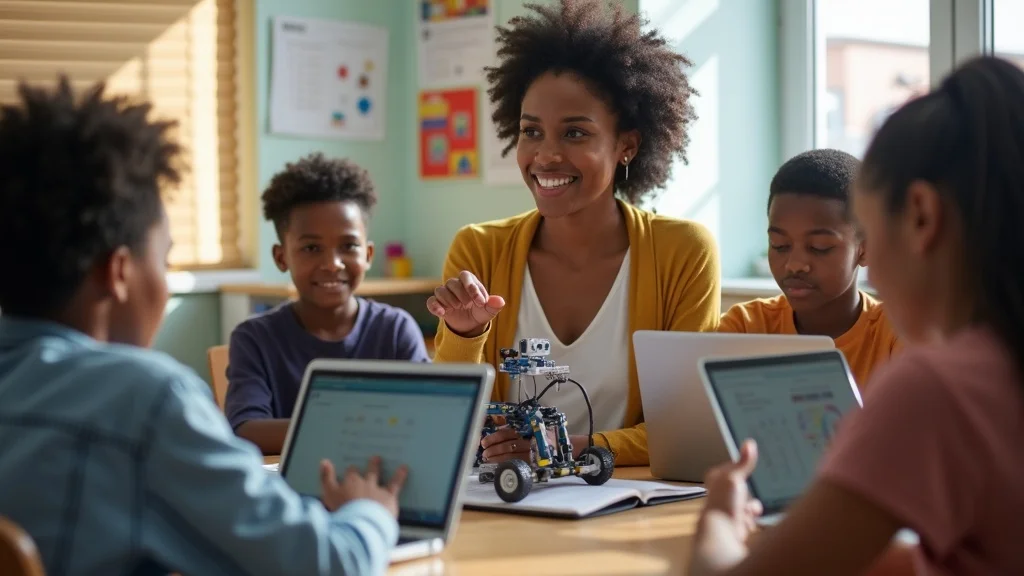
Supportive communities are a lifeline for African women in STEM as they navigate the challenges of AI-powered work environments. Women’s organisations, alumni networks, and online forums provide mentorship, share opportunities, and foster a sense of belonging. Initiatives like “Women in AI Africa” and “African Women in STEM” bring women together across borders to tackle common obstacles and celebrate achievements.
Through these networks, black women and African women not only access career guidance and technical training but also learn strategies for overcoming workplace discrimination and gender bias in AI. The impact is cumulative: as each individual succeeds, she opens the door for others, multiplying the chances of gender equality and inclusive growth across the African AI sector.
Lists: Key Skills African Women in STEM Should Watch and Master with AI Advancements
- Technical adaptation for evolving AI systems in STEM
- Ethical leadership combating gender bias in AI
- Building global and local support networks for black women in STEM
- Continuous AI education and upskilling opportunities
Tables: Comparing Gender Equality Progress Across Africa’s AI Scene
Gender Representation of Women in STEM in Key African Countries
| Country | AI Leadership Roles Filled by Women (%) | Access to STEM Education for Women | Gender Equality Policies for AI |
|---|---|---|---|
| Nigeria | Moderate | Growing, with regional disparities | Emerging frameworks |
| South Africa | Relatively High | Broad access, urban–rural gaps | Established but evolving |
| Kenya | Increasing | Steadily improving | Active policy innovation |
| Ghana | Modest | Expanding initiatives | In development |
People Also Ask: Who are the top Black women in AI?
Highlighting Leading Black Women and African Women in AI
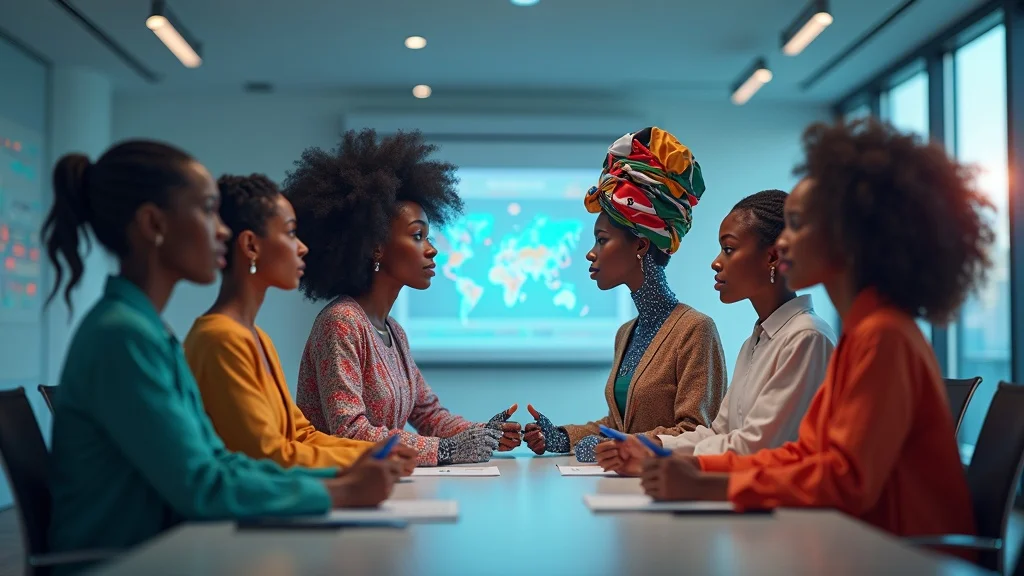
Some of the most influential figures in Africa’s AI revolution are black women and African women blazing new trails in machine learning, data science, ethical leadership, and advocacy. These women have founded start-ups, taught in leading universities, and spearheaded AI research for local and international organisations. By championing inclusivity and excellence, they prove that African women in STEM can shape not just African innovation but the global AI field as well.
These leaders are often seen mentoring younger women, leading cutting-edge projects, and representing Africa at international AI conferences. Their success stories inspire the next generation to envision a workplace where black women are not just present, but central in shaping the future of AI and technology across the continent.
Examining Their Impact on AI Education and Gender Equality
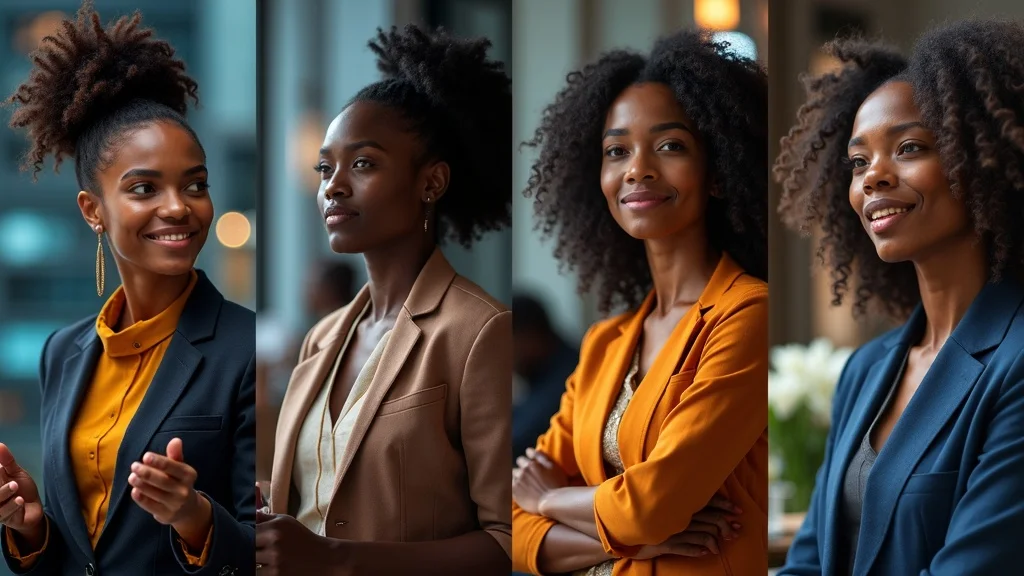
By serving as role models, these leaders foster growth in the number of African women in STEM and inspire others to pursue AI education. Their work in addressing bias, designing inclusive algorithms, and participating in thought leadership forums brings gender equality issues to the forefront—ensuring that AI doesn’t just automate, but advocates for change. Through academic contributions, civic engagement, and policy influence, these trailblazers are transforming Africa’s approach to ethical and inclusive AI.
Their efforts ripple outward—shaping curricula, informing industry best practices, and energising international collaborations that highlight the value of diversity in artificial intelligence development.
People Also Ask: Which African country is leading in AI?
Current Hotspots for AI Innovation in Africa from a Women in STEM Perspective
Currently, Nigeria and South Africa are at the forefront of AI innovation, with robust STEM ecosystems and vibrant AI start-up cultures. Kenya’s fintech and agricultural tech sectors are booming, with an increasing presence of African women in key AI roles. Ghana, while still growing, is notable for its grassroots initiatives focusing on gender equality and digital skills development.
From a women in STEM perspective, the most successful regions are those where institutions prioritise access, diversity, and support for women and girls to enter and thrive in AI fields. These countries prove that gender bias does not have to be an inevitable feature of technological advancement and that policy, education, and civil society drivers can close the gender gaps in Africa’s AI sector.
People Also Ask: Can AI fix the gender gap in STEM?
Can Artificial Intelligence Bridge the Gender Gap for African Women in STEM?
AI can certainly be part of the solution—but only if African women in STEM are part of the conversation. Algorithms alone cannot fix decades of underrepresentation and bias; rather, it is the thoughtful application of AI by diverse and inclusive teams that makes the difference. African women and black women in AI are uniquely positioned to critique, design, and lead AI systems that are fair, ethical, and relevant for Africa.
For sustainable progress, bridging the gender gap requires a broader strategy: more inclusive education, active recruitment, retention policies favouring women in STEM, and persistent advocacy to root out bias in AI and beyond. The goal is not simply parity but to ensure every African girl and woman can imagine—and realise—a future leading transformative AI work on her own terms.
People Also Ask: Who is the most inspiring woman in STEM?
Showcasing Inspiring African Women in STEM and AI
Across the continent, women such as Professor Salome Maswime in South Africa, Dr. Nneka Okeke in Nigeria, and global voices like Timnit Gebru (originally from Ethiopia) exemplify excellence in STEM and AI. Their research, advocacy, and leadership dismantle stereotypes and demonstrate the full participation of African women in the AI field.
These trailblazers not only break glass ceilings for themselves but also empower others by providing mentorship, creating inclusive AI systems, and contributing to a legacy where African women are recognised as innovators and leaders globally.
FAQs: Addressing Common Questions on What African Women in STEM Should Watch As AI Reshapes Work
What are the biggest challenges faced by African women in STEM as AI evolves?
African women in STEM encounter challenges like gender bias in AI systems, limited access to AI education, and underrepresentation in leadership roles. Additionally, societal expectations and workplace discrimination create further barriers. Addressing these issues requires local solutions, ongoing advocacy, and expanding community support networks specifically for African women and girls in STEM.
How can black women and African women contribute to bias-free AI systems?
By actively participating in AI design, data science, and policy making, black women and African women ensure that AI reflects diverse realities. Open collaboration, continuous learning, and advocacy for ethical standards in AI development play a vital role in dismantling systemic bias. Their involvement enriches both the ethical and technical standards of modern AI across Africa.
What does the future hold for gender equality in Africa’s AI-powered workspaces?
If trends in STEM education, corporate diversity, and community engagement continue, the future is bright for gender equality across Africa’s AI-powered workspaces. Increasing representation, policy reforms, civil society initiatives, and AI education for women in STEM all contribute to a more inclusive and innovative AI landscape on the continent.
Key Takeaways from What African Women in STEM Should Watch as AI Reshapes Work
- African women in STEM are central to shaping ethical and inclusive AI.
- Tackling gender bias in AI systems requires local, nuanced African perspectives.
- Continual AI education is critical for sustainable career success.
Short highlights video featuring interviews and footage of African women in STEM working on AI innovations, mentoring younger women, participating in global conferences, and showcasing AI prototypes in modern African cities.
Take Your Place in the Changing African STEM and AI Landscape
Take Your Place In The Anthology https:/themeridian.africa/pioneer-voices
As you reflect on the evolving landscape for African women in STEM, remember that the journey toward inclusive innovation is ongoing and collaborative. Exploring platforms that spotlight women’s achievements and share practical resources can help you stay connected and inspired. For those eager to deepen their understanding and discover more stories of resilience and progress, She Evolves Africa offers a broader perspective on how women across the continent are shaping the future of technology and leadership. Let your next step be one of engagement—whether through learning, networking, or advocacy—so you can play an active role in Africa’s AI-powered transformation.
Sources
- A New Era for African Women in STEM - Ideas to Shape the ...
- African women driving innovation: From barriers to ...
- 12 Black Women in AI Paving the Way for a Better World
- African women in science and development, bridging the ...
- Artificial Intelligence and gender equality
- 'Black Women in Artificial Intelligence' Founder Talks AI ...




Write A Comment