

Imagine a bustling tech hub in Lagos, Nairobi, or Accra: diverse teams collaborate, digital screens radiate code, and young women lead spirited discussions about AI-driven solutions for community challenges. This isn’t just a vision of the future—it’s unfolding right now. Across Africa, the real AI opportunity for women in tech and STEM is breaking traditional barriers and transforming what leadership, creativity, and innovation look like. As new voices rise and cultural strengths shine, Africa’s AI revolution is distinctly local, changing not only the face of technology but also reshaping societies and entire economies.
A New Era: Setting the Scene for The Real AI Opportunity for Women in Tech and STEM Across Africa
“African women have always been innovators—now AI offers a new frontier for their creativity and leadership.”
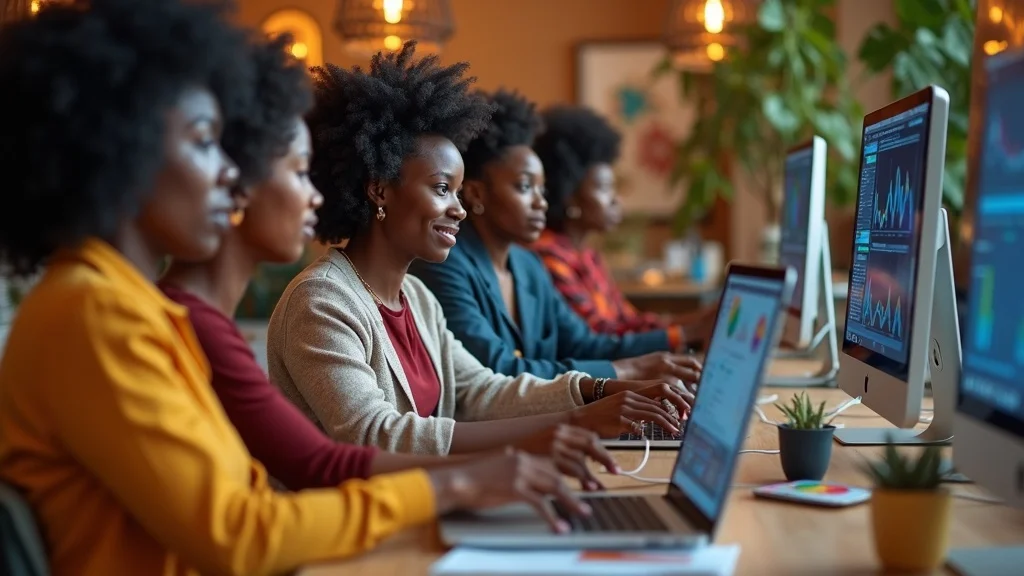
The landscape for women in tech across Africa is changing fast. Today, African women are finding more meaningful and authentic ways to participate in the digital economy—ways rooted in culture, local problem-solving, and community values rather than simply following Western paths. Despite obstacles, these transformations offer new hope for young women and girls who dream of building careers at the cutting edge of artificial intelligence and STEM fields. As communities and governments invest in infrastructure and education, a new era emerges where African women are not just consumers but also creators and leaders in the tech industry. For many, this is more than economic growth—it’s a movement for gender equality and digital empowerment.
What does this mean for you as a young woman, policy maker, educator, or tech business owner in Africa? The real AI opportunity for women in tech and STEM across Africa is about ownership, visibility, and impact. African women can now drive innovation, build local solutions with global potential, and act as role models for the next generation in ways unique to the continent’s context. This article will uncover those nuances, spotlighting bold changemakers and providing practical ideas for stepping into this exciting frontier.
What You'll Learn About The Real AI Opportunity for Women in Tech and STEM Across Africa
- The unique landscape of AI for African women in tech
- Barriers, breakthroughs, and role models shaping the future
- How young women in Africa can shape the AI revolution
- Culturally attuned strategies and stories from African women in technology
Understanding the Landscape: Women in Tech and AI in Africa
The Growth of Women in Tech Across Africa

Over the last decade, the number of african women entering the tech industry has steadily grown. More young women are enrolling in STEM fields, thanks to targeted training programs, scholarships, and community-driven educational initiatives. In countries like South Africa, Nigeria, and Kenya, coding bootcamps and innovation hubs led by African women are helping to close the gender gap. While systemic barriers remain, a fresh crop of women in technology is rising—driven by a passion for software development, data science, and artificial intelligence. The adoption of digital tools and higher education in STEM empowers women with the technical skills crucial for today's competitive workforce, and inspires others to dream beyond traditional expectations.
This growth is not only about numbers but visibility. As more african women in tech stand out, they inspire their peers, catalyze cultural shifts, and challenge the stereotype that tech is a space primarily for men. The next generation will find inspiration close to home, seeing women who look like them leading projects, launching startups, and speaking at global AI events. Progress is incremental but real, supported by mentors, networks, and a renewed sense of possibility for African women in technology.
African Women in Technology: Historical and Cultural Context
African societies have a long tradition of women as knowledge bearers and problem solvers, even though such contributions haven’t always been visible in formal STEM spaces. While the colonial legacy and Eurocentric curricula have historically minimized women’s roles in science and technology, local communities still relied on women’s insights in fields as diverse as medicine, agriculture, and commerce. Today, as AI and technology become central to African economies, there is a movement to honour this cultural inheritance—and deliberately position African women as leaders and architects of the continent’s digital future. African women in technology leverage both ancestral wisdom and cutting-edge technical skill, blending tradition with innovation to offer fresh perspectives unseen elsewhere.
By understanding and embracing this unique historical context, the real AI opportunity for women in tech and STEM across Africa can drive solutions that are rooted in communal values, indigenous knowledge, and local realities. Technology adoption in Africa often takes forms that reflect these traditions, remaking global innovations to suit African lives. This locally driven evolution opens new careers, leadership roles, and chances for economic growth for African women and their communities.
Young Women: Emerging Voices Shaping STEM
A new generation of young women is entering STEM fields across Africa, passionate about leveraging technology for social good. Their voices are reshaping the industry—bringing issues like inclusive design, ethical AI, and rural connectivity to the forefront. Often, these young innovators grew up in communities affected by limited opportunities or systemic barriers, and their first encounters with digital tools came through NGO-led coding camps or mobile-based training. Yet what sets them apart is their ability to use technology not just for personal advancement but for the collective good.
These emerging leaders act as catalysts, encouraging others to break from traditional gender expectations and envision new possibilities in AI, robotics, and engineering. Through mentorship, community collaborations, and visible successes, these african women are writing a new narrative for women in technology across Africa, one grounded in resilience, resourcefulness, and the power to drive innovation from the ground up.
As the movement for women in tech gains momentum, it's important to recognize that progress is often incremental and shaped by ongoing efforts to bridge the digital divide. For those interested in the evolving landscape and the broader context of women's empowerment in Africa, exploring platforms dedicated to African women's growth and leadership can provide valuable perspectives and resources.
Breaking Barriers: Challenges African Women in Tech and STEM Face Today
Structural and Societal Barriers for African Women in Technology
Despite progress, african women in technology continue to face deeply rooted structural and societal challenges. Many women remain less likely to access quality education and training in tech due to the combined effects of poverty, inadequate infrastructure, and traditional gender roles. Systemic barriers persist—not only in the availability of resources and opportunities but also in how communities perceive women's capabilities. For some, the expectation to prioritise family or household duties is held above pursuing a passion for AI or software development. Additionally, the digital divide isn't confined to devices—it extends to internet connectivity, technical mentorship, and networks essential for career growth.
The tech industry can feel isolating for African women, with fewer visible role models and a lack of representation in leadership roles. As a result, young women may view STEM fields as inaccessible or not “meant for them. ” Changing this narrative requires a proactive approach—amplifying success stories, supporting girls through school and university STEM programmes, and ensuring industry doors are truly open to all.
Access to Education, Infrastructure, and Networks
“The digital divide for African women isn’t just about devices—it’s about deeply rooted systemic access issues.”
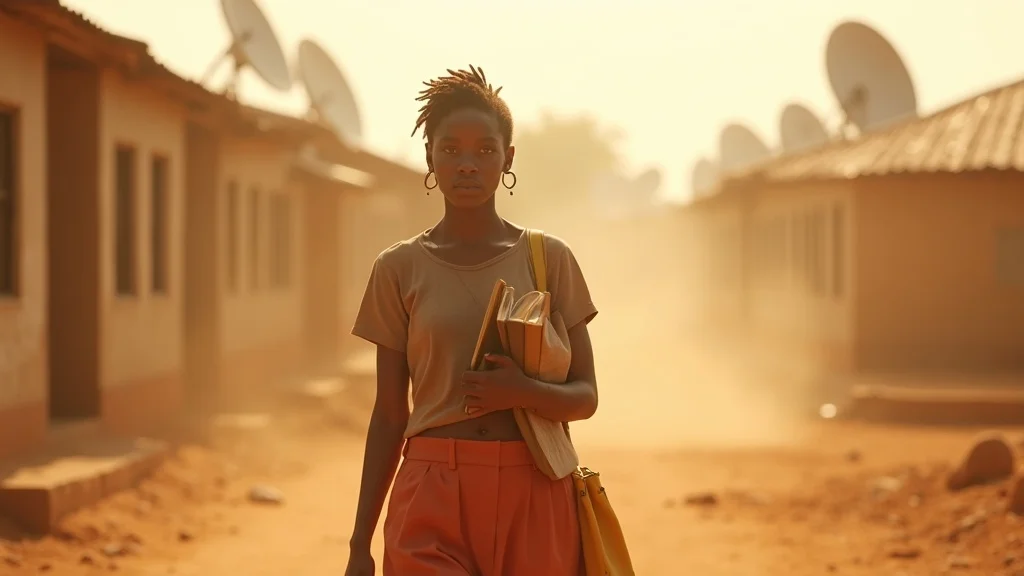
Quality education and training remain elusive for many african women. Persistent issues include under-resourced schools, inconsistent electricity, high data costs, and few female-focused educational programmes in STEM. Girls are often times less likely to attend higher education or technology workshops compared to their male peers, especially in rural or marginalized communities. Even when educational opportunities exist, supportive networks for women in tech are less developed, hampering ongoing mentorship and skills development.
Infrastructural gaps also block access for aspiring women in tech. Without affordable, high-speed Internet or public-access computers, it becomes harder for women to learn coding, join online networks, or participate in remote training. Overcoming these barriers demands cross-sector cooperation—engaging government, local and international NGOs, and the private sector—to create scalable solutions tailored to the unique African context.
Navigating Cultural Expectations and Stereotypes
Stereotypes and social expectations still discourage many African women from entering or staying in STEM fields. Sometimes, pursuing a career in AI or software development is seen as “unfeminine” or distracting from family responsibilities. These biases can start early—with families nudging girls away from technical interests or schools failing to encourage female STEM achievement. In the workplace, cultural norms may discourage women from taking up leadership roles or from speaking out about their achievements.
Addressing these cultural challenges requires more than policy changes—it involves role models, community outreach, and storytelling that celebrates women's successes in technology. When local women see their peers and neighbours succeeding in the tech industry, pursuing higher education, and working at the forefront of artificial intelligence, new possibilities emerge for everyone.
Why the Real AI Opportunity for Women in Tech and STEM Across Africa Is Different
| Criteria | Africa | Western Regions |
|---|---|---|
| Access | Emerging, often rural/urban divides; rapid mobile growth | Broad, established digital infrastructure |
| Support Systems | Community networks, peer mentoring, local NGOs | Formal educational and industry mentorship |
| Cultural Context | Collectivism, intergenerational learning, tradition/innovation blend | Individualism, professional identity focus |
| Available Funding | Growing but competitive; emphasis on local impact | Established venture capital, corporate grants |
| Representation | Increasing, but from a lower baseline | Higher, but still underrepresented |
Cultural Strengths as a Springboard
The real AI opportunity for women in tech and STEM across Africa is shaped by distinct cultural strengths. African communities value collective achievement, resilience, and community-driven solutions—factors that give local women a natural advantage in problem-solving and technology adaption. Unlike Western narratives centred on individual achievement, African ecosystems flourish on shared success. Initiatives such as women-led hackathons, group mentorship, and localised training programmes enable young women to thrive through peer-to-peer support, knowledge sharing, and collective empowerment.
This mindset doesn’t just empower women individually—it drives broader economic growth by bringing diverse perspectives and locally relevant innovations into the AI space. Culturally attuned strategies, grounded in African realities, can support women as both learners and leaders, transforming challenges into opportunities for themselves, their families, and their wider communities.
Innovative Applications of AI Led by African Women
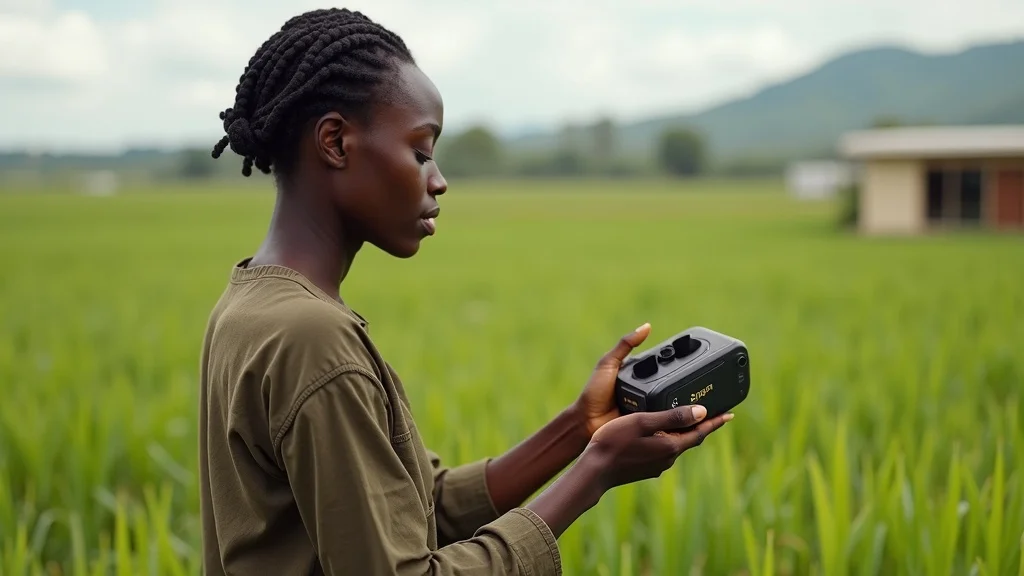
African women are already at the forefront of AI-driven change, particularly in agriculture, fintech, and healthcare. From designing smart irrigation systems that optimize water use for rural farmers, to building AI-powered mobile health centers diagnosing diseases in remote villages, these innovators blend technical expertise with deep understanding of local needs. Several have founded startups that provide financial access for the unbanked, while others have created inclusive educational apps in local languages.
Their locally inspired innovations underscore why the real AI opportunity for women in tech and STEM across Africa is so powerful. Instead of copying Western models, African women are creating AI applications designed for the continent's unique circumstances, harnessing data, mobile technology, and indigenous knowledge to make a real impact in their communities.
Spotlight: African Women in Tech Breaking New Ground
Across the continent, African women in tech are leaving their mark—from rising stars in software development to AI researchers tackling critical health data gaps. Their achievements are recognized at international summits, and they serve as consultants for major technology companies. Notable figures include programmers overcoming limited infrastructure to launch award-winning apps and engineers leading pan-African collaborations on responsible AI.
These pioneers demonstrate what is possible when African women get the resources, support, and recognition they deserve. By sharing their journeys, they become essential role models, showing the next generation that “AI for Africa” must include the voices of African women in technology.
Embracing Local Nuance: African Realities Shaping the Real AI Opportunity
African Women Solving Africa-Specific Challenges with AI
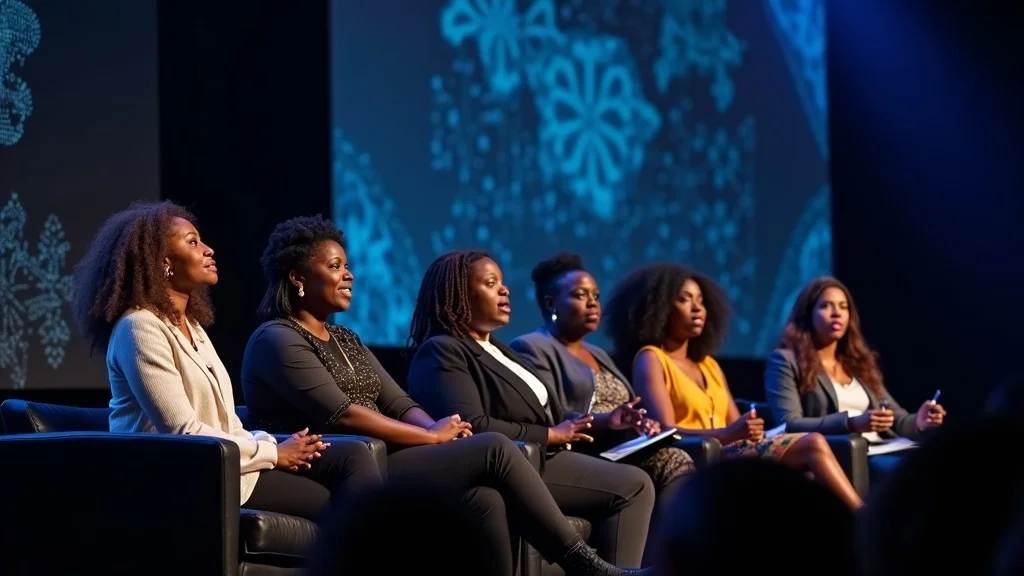
What truly sets the real AI opportunity for women in tech and STEM across Africa apart is how women use AI to solve African problems. For example, AI-powered translation tools break language barriers in education, while health bots designed by local teams deliver information on maternal care in rural dialects. In urban areas, women-led startups use AI to analyse transport patterns and improve public safety. These examples show how african women leverage local insight to drive innovation tailored to local realities.
Importantly, these solutions are not simply technological copycats—they’re built on the deep cultural understanding and resourcefulness that African women bring to every project. Their work ensures AI becomes more inclusive, practical, and transformative for communities across the continent.
Case Study: South Africa’s Leading Women in Technology
In South Africa, several women in tech have risen to national and international acclaim, becoming champions for girls' education and equity in STEM. From coding educators who run grassroots bootcamps in townships, to AI scientists advocating for responsible data use, their work breaks stereotypes about who belongs in the tech industry. Their successes—and the communities they build—spark similar movements in neighbouring countries, showing how local leadership can inspire massive change.
As more South African women publish influential research, mentor the next generation, and consult for multinationals, they embody what’s possible when women in technology are empowered and included at every level.
How African Societal Structures Enable Collective AI Success
Unique to Africa’s context is the role of collective, intergenerational social structures. Extended families, kinship groups, and faith communities often rally behind women pursuing STEM, making inclusion not just a personal goal but a community investment. Men typically reinvest in their own learning, while women’s advancements in tech have wide-reaching effects—lifting entire families and villages. This communal support makes women in tech more resilient and collaborative, reinforcing the continent’s collective approach to progress and gender equality.
When women succeed in STEM, their achievements are celebrated by whole communities, spurring others to enter tech fields, break digital divides, and drive economic growth. This collective mindset is one of Africa’s greatest assets in nurturing future female AI leaders.
Mentors, Role Models, and Communities: Women in Tech Networks Across Africa
Women in Tech Mentorship Initiatives for Young Women

Mentorship is a powerful driver for women in tech across Africa. Initiatives like “She Codes Africa,” “Women in Machine Learning and Data Science (WiMLDS),” and university-led programmes offer young women access to experienced professionals, guidance, and networking opportunities. These mentorships dispel myths about the inaccessibility of STEM and give students the encouragement and technical skill they need to thrive.
Through these programmes, mentors help young women frame setbacks as learning opportunities, refine technical skills, and build confidence in their unique contributions to the AI sector. Not only do they provide one-on-one support, but they also help mentees navigate cultural stereotypes and advocate for themselves in male-dominated environments.
Building Communities: Collaborative Spaces for African Women in Technology
- Tech hubs led by African women
- Support groups for young women entering STEM
- Notable African women in technology to follow
Community is another cornerstone of the real AI opportunity for women in tech and STEM across Africa. Across major cities and even rural regions, African women have organized coding clubs, online forums, and peer support groups where they can share knowledge, resources, and career opportunities. Tech hubs and innovation labs, many led by African women, provide critical access to digital tools and expertise, inspiring the next generation and driving innovation forward.
These collaborative networks foster an environment where challenges are met with creativity and solidarity—ensuring that African solutions are designed by those who best understand Africa's needs. By following prominent African women in technology on social media and participating in local groups, aspiring technologists can quickly connect to valuable mentorship, funding opportunities, and peer-driven support.
The Path Forward: Empowering the Next Generation
Cultivating Digital Skills and Confidence in Young Women
To fully realise the real AI opportunity for women in tech and STEM across Africa, dedicated efforts to cultivate digital skills and confidence among young women are crucial. Transformative educational programmes, hands-on workshops, and tech competitions must be scaled to reach girls in both urban and rural communities. Early exposure to coding, robotics, and problem-based AI projects demystifies technology, making it accessible and exciting.
Equipping girls with technical and leadership skills, and normalising their presence in STEM, shapes new generations who see themselves as innovators and solution-drivers. Confidence built through small wins—such as building an app or joining an online forum—creates lifelong digital agency.
Policy and Advocacy for Greater Inclusion in Women in Tech
“Investing in girls’ education and tech exposure is investing in Africa’s collective future.”
For sustainable progress, policy and advocacy are paramount. Governments, international donors, and businesses must partner to strengthen education infrastructure, fund targeted scholarships, and remove systemic barriers for African women in technology. Policies that mandate gender parity in educational admissions and professional hiring, protect women from discrimination in the workplace, and support STEM outreach at all levels are important drivers of change.
Additionally, ongoing advocacy—by local leaders and grassroots movements alike—ensures that real change occurs, with women at every table where decisions about Africa’s digital future are made.
People Also Ask: The Real AI Opportunity for Women in Tech and STEM Across Africa
How are African women leading the AI revolution in technology?
African women are spearheading the AI revolution by founding startups that address local challenges, building inclusive educational projects, and leading research in critical sectors like healthcare and agriculture. Their leadership is visible in the creation of AI-powered mobile health apps, translation tools for indigenous languages, and digital financial platforms tailored for African contexts. By blending cultural insight with technical ability, these women ensure that AI in Africa serves communities holistically and sustainably.
What are some challenges faced by African women in STEM?
Key challenges include limited access to quality education, deeply rooted cultural stereotypes, and underrepresentation in leadership roles and decision making. Systemic issues such as inadequate infrastructure, high costs of digital tools, and bias in schools or workplaces make it harder for African women to pursue and progress in STEM careers. Yet, with growing networks, mentorship, and advocacy, many women are overcoming these obstacles to thrive in technology.
How can young women in Africa get involved with AI and technology?
Young African women can get involved by participating in coding bootcamps, joining local or online tech communities, seeking mentorship from established professionals, and taking part in competitions focused on problem-solving with AI. Leveraging free or subsidised educational resources, enrolling in university STEM programmes, and following African women role models on social media can open up pathways into technology and AI fields.
What is the impact of women in tech on Africa’s economy?
When more African women participate and lead in tech, the entire economy benefits. Increased female participation boosts diversity in problem-solving, stimulates new industries, and leads to more inclusive, scalable solutions. Closing the gender gap in STEM and AI opens opportunities for job creation, improved healthcare, and community development—driving economic growth across Africa.
FAQs on The Real AI Opportunity for Women in Tech and STEM Across Africa
-
How can women in Africa start a career in AI?
Starting a career in AI involves gaining foundational knowledge through online courses, attending local workshops, and joining supportive communities. Many NGOs, universities, and tech hubs across Africa offer resources designed specifically for women. -
What organisations support African women in technology?
Organisations like She Codes Africa, AkiraChix, Women in Tech Africa, and more provide mentorship, training, and networking to support African women at every stage of their tech journey. -
Is there funding for African women in tech and STEM?
Yes, multiple local and international initiatives offer scholarships, grants, and seed funding for African women-led tech projects and STEM education—often focusing on impact-driven enterprises and grassroots initiatives.
Key Takeaways from The Real AI Opportunity for Women in Tech and STEM Across Africa
- The real AI opportunity for women in tech and STEM across Africa is locally nuanced
- Mentorship and role models are critical
- AI adoption can bridge gender and digital divides
Your Next Step on the Journey
Take Your Place In The Anthology https://themeridian.africa/pioneer-voices
The journey for women in tech and STEM across Africa is just beginning, and the landscape is rich with opportunity for those ready to shape the future. If you’re inspired to deepen your understanding of women’s empowerment, leadership, and the evolving digital space, consider visiting She Evolves Africa for broader insights and stories. Exploring these resources can help you connect with a wider network, discover new role models, and find inspiration to take your next step—whether that’s launching a project, joining a community, or advocating for change in your own sphere.




Write A Comment