

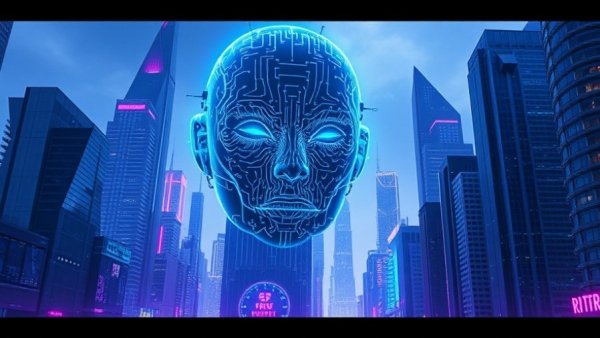
Understanding the Concept of a Type 7 Civilization
The notion of a Type 7 civilization is a fascinating concept derived from the Kardashev scale, which classifies civilizations based on their energy consumption and technological capabilities. Currently, humanity operates at a Type 0 level, utilizing Earth's resources for energy while struggling with various challenges such as climate change and resource depletion. As we look towards 2026 and beyond, the idea of advancing to a Type 7 civilization, one that masters intergalactic energy harnessing and transcends planetary systems, invites us to reflect on our current technological journey.
In 'The Future of the World: 2026 to Type 7 Civilization', the discussion dives into humanity’s potential technological trajectory, exploring key insights that sparked deeper analysis on our end.
Artificial Intelligence: A Catalyst for Advancement
Artificial intelligence (AI) is pivotal in this trajectory toward a more advanced civilization. With its power to automate processes, analyze data at unparalleled speeds, and learn from a host of inputs, AI stands at the forefront of our technological evolution. In business settings, for instance, sectors are leveraging AI for everything from customer service enhancements to predictive analytics, which facilitates informed decision-making.
The Role of AI in Shaping Future Technologies
The integration of AI into various industries does not simply improve operational efficiency; it also paves the way for entirely new paradigms of thought and operation. For instance, healthcare is witnessing transformative changes through AI-driven diagnostics, which help in early disease detection and personalized treatment plans. This shift not only enhances patient outcomes but also showcases how pervasive AI could be across different sectors, laying the groundwork for the capabilities of a Type 7 civilization.
Imagining the Future: Lifestyle Changes and Innovations
As we inch closer to what a Type 7 civilization might look like, we can imagine significant shifts in day-to-day life. Imagine living in smart cities where every aspect, from traffic management to energy consumption, is optimized by AI systems. Virtual reality may become commonplace, facilitating remote participation in a myriad of experiences. Innovations may stretch beyond communication and transport, embodying a fusion of human and artificial competencies that reverberate across cultural and societal layers.
Challenges Ahead: Ethics and Governance in AI Development
While the promise of advancements toward a Type 7 civilization is inspiring, it does not come without challenges. The rapid rise of AI brings forth ethical dilemmas regarding data privacy, biases in algorithmic decision-making, and the potential for job displacement. It's crucial for developers and policymakers alike to engage in conversations surrounding AI governance—ensuring that the benefits of these technologies are widely shared and that they serve the interests of humanity as a whole.
The Path Forward: Opportunities and Responsibilities
To navigate the complexities of future technologies and their societal impacts, we must cultivate an environment where innovation is balanced with accountability. Empowering businesses to adopt AI responsibly can foster an ecosystem rich with potential applications. Programs that focus on educating both the workforce and consumers about AI technology can diminish misconceptions and pave the way for a better collective understanding.
Conclusion: Taking Action in the Face of Change
As we contemplate the trajectory of humanity towards a future that encompasses the capabilities of a Type 7 civilization, our actions today will define our tomorrow. Staying informed, advocating for ethical AI practices, and embracing the benefits that technology offers are essential steps. Engage with the advancements in AI for business and ensure that these technologies serve as tools for collective progress. The journey ahead is daunting yet exhilarating; let’s be proactive in shaping it.



Write A Comment