

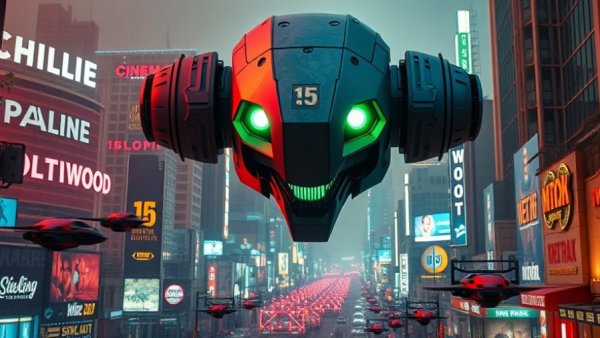
Revolutionizing Video Storytelling Through AI
The path to 2035 marks a transformative period in video content generation, reshaping how stories are told and consumed. As technology advances, we approach a future where directing a film may become as simple as expressing a desire, with AI systems capable of generating entire narratives around user prompts. This remarkable shift could alter the roles of creators, directors, and even the audience itself.
In AI Video: The Complete Path to 2035, the discussion dives into the future of video technology, exploring key insights that sparked deeper analysis on our end.
What Will Filmmaking Look Like in 2030?
Imagine describing a scene and receiving a fully-realized four-minute video in response. By 2030, movie-making is no longer merely about filming scenes but directing an AI capable of producing continuous, coherent footage. This paradigm shift raises questions about creativity and the essence of storytelling as filmmakers will be required to focus less on production mechanics and more on shaping narratives during runtime. The line between creator and consumer blurs, altering the landscape of artistic merit.
The Disappearance of Traditional Roles in Filmmaking
In the progression toward fully automated filmmaking, traditional roles such as cinematographers, storyboard artists, and even directors may vanish as AI capabilities mature. The emergence of generated films that successfully pull in audiences signals a new era where art can be created rapidly without the costs associated with redoing scenes. The implications for job security in the industry are significant, impacting not only those behind the camera but also crew members who have historically filled essential roles.
Ethical Considerations in AI-Generated Content
As the technology evolves toward generating and evaluating content, ethical considerations also come to the forefront. The ability to create videos that are indistinguishable from reality raises concerns, particularly regarding misinformation and the trustworthiness of visual evidence. As viewers become aware of the potential for deception, the challenge will lie in discerning what's real amid an avalanche of synthetic content.
The Rising Demand for Originality Amid Abundance
One of the most fascinating aspects of this AI-driven future is the potential for new forms of creativity. While AI machines may generate countless stories, the ultimate question remains: What narratives will hold value? As AI technology makes creation quicker and easier, the most compelling stories will likely stem from unique human perspectives rather than countless reiterations of generic plots.
A New Era of Interactive Media Experience
By 2032, AI is poised to remember individual viewers and their preferences. This could mark a shift to a more personalized media experience. Imagine tuning into a story that evolves based on your interactions, enhances engagement, and ensures nothing feels canned or repetitive. AI-generated worlds allow viewers to step right into narratives, experiencing them in deeply immersive ways—yet, this innovation raises questions about the nature of relationships and connection in digital spaces.
The Future of AI in Business
As businesses move towards AI solutions, the implications for industries are vast. From automated customer support to personalized content generation, the potential for AI in business is immense. Companies can leverage AI to streamline operations, enhance engagement with clients, and cut costs. The impending integration into myriad sectors calls for a deep reflection on how businesses can responsibly harness this technology while upholding ethical standards.
Conclusion: A World of Enhanced Possibilities With AI
The pathway to 2035 leads us through exciting technological advancements that promise to redefine creativity and interaction. As we navigate this crucial evolution in AI technology, understanding its implications for both content creation and business will be vital. The need for responsible AI usage is paramount, and the evolutionary journey should strive to maintain a balance between innovation and ethical considerations. To this end, exploring opportunities in AI for business now may be beneficial—not just for profitability, but also in shaping a future that's accountable and equitable.




Write A Comment