
Futuristic 3D logo with glowing light bulb, 'AI AFRICA' text, and chrome accents.
AI AFRICA DIGITAL PATHFINDERS
MAJESTIC MEDIA  APPLICATIONS
  • Home
    • #Business & Event Spotlights
    • #AI TODAY & TOMORROW
    • #AI Africa Ethics
    • # AI CREATIVES AFRICA
    • #AI ECOSPHERE
    • AI Frontiers
    • AI Spotlights
    • AI History
  • Featured
    • AI Visionaries
    • AI Horizon
    • AI Success
  • AI Pioneers
    • AI Accelerators
    • AI Trailblazers
    • AI Policy
  • AI Africa now
  • AI Africa Kids
  • AI Hub
    • AI Ignitors
    • AI Educators
    • #AI KIDS AFRICA
  • #AI IN BUSINESS
  • #AI INSIDER
  • #AI SOVEREIGNTY AFRICA
  • AI Healthcare
June 16.2025
1 Minute Read

Technology Innovation Africa: Secrets to Rapid Growth

  • A 2023 World Economic Forum report reveals that Africa's tech startup ecosystem raised a record $6.5 billion, underscoring the continent’s meteoric rise as a global innovation hub. What fuels this rapid progress? Let’s unpack the real drivers behind technology innovation Africa and how they hold the keys to a sustainable future.

technology innovation Africa vibrant African tech startup scene with young entrepreneurs, collaborating with digital devices in a modern workspace

Imagine a continent where digital transformation is redefining the rules of the global economy. In just one year, Africa’s tech startup ecosystem shattered expectations, drawing billions in investment and becoming a beacon of technology innovation Africa . But beyond the headlines, what’s really behind this unprecedented acceleration? This article dives deep into the unique forces empowering Africa’s rise: global partnerships, homegrown innovations, transformative education strategies, and the brave individuals rewriting what’s possible. If you want to understand how technology innovation Africa is unlocking a brighter, sustainable future, you’re in the right place.

Why Technology Innovation Africa Holds the Key to Economic Growth

  • Explore the role of technology innovation Africa in reshaping digital transformation, sparking economic growth, and crafting a sustainable future across the continent, supported by insights from the World Bank, local success cases, and regional innovation strategies.

Across the African continent, technology innovation Africa is more than a buzzword—it's the driving force behind economic growth and long-term sustainable development . The United Nations, World Bank, and African Development Bank consistently recognize that robust digital transformation can not only create jobs but radically improve lives in both cities and remote areas. Innovative fintech, mobile health services, and digital learning initiatives are closing gaps in healthcare, financial inclusion, and knowledge—catalyzing progress faster than ever.

This momentum is not isolated to a handful of regions; rather, it’s the product of wider collaboration, grassroots ingenuity, and ambitious policy frameworks like the African Union’s “Agenda 2063.” The combination of research infrastructure, supportive regulatory climates, and a wide range of public-private partnerships ensures that technological advancement leads to broad-based job creation and improved food security . By championing local innovation strategies, Africa’s nations are proving that technology and innovation can leapfrog traditional barriers and position the continent as a true leader in the digital age.

Major Forces Behind Digital Transformation and Technology Innovation Africa

Unpacking the rapid pace of digital transformation reveals a blend of international cooperation and dynamic local action. Understanding these “major forces”—from strategic collaborations with the World Bank and the Economic Commission for Africa to innovative regional policies—shows how Africa is bridging the digital divide, supporting small businesses, and igniting technological revolutions from Addis Ababa to Lagos.

World Bank and Local Partnerships: Fueling Innovation Strategy

  • Analyze how World Bank programs and innovation strategy collaborations between global organizations and local African governments drive digital transformation and accelerate technology innovation Africa.

The World Bank has emerged as a key architect in Africa’s innovation landscape, channeling billions into projects that foster research and innovation , expand digital infrastructure , and empower marginalized communities. By forming alliances with African governments and regional stakeholders like the African Union, the World Bank’s programs ensure that investments align with each country’s unique needs. Whether supporting R&D in urban centers or facilitating broadband access in remote areas , these partnerships set the stage for economic growth rooted in sustainable development.

A shining example is the collaboration between the World Bank and Addis Ababa’s local authorities to strengthen the city’s digital skills ecosystem. Combined with targeted innovation strategy workshops, these programs allow local entrepreneurs and young professionals to tap into global networks. The result: new jobs, vibrant startups, and a ripple effect that enhances livelihoods well beyond capital cities. Increasingly, development partners and organizations like the United Nations and the African Development Bank are investing in similar multi-level approaches, expanding impact across the continent.

Public-Private Synergy: Empowering South Africa and Beyond

  • Examine South Africa and other regional case studies where strong public-private partnerships have catalyzed technology and innovation, leading to unprecedented economic growth.

South Africa is often highlighted as a beacon for public-private partnerships in technology innovation Africa . Here, government agencies, multinational companies, and local startups collaborate to solve critical challenges—such as developing smart transportation solutions for Johannesburg or supporting fintech accelerators in Cape Town. The synergy goes beyond mere funding; it involves knowledge transfer, mentorship, and shared visions for digital transformation.

These collaborations are not unique to South Africa. Nigeria’s booming fintech sector and Kenya’s acclaimed “Silicon Savannah” ecosystem have flourished due to similar partnerships, leveraging combined resources for improved food security , smarter research infrastructure , and sustainable job creation . This model is being adopted beyond traditional economic hubs, with rural communities and policymakers from nations like Rwanda and Ghana tailoring solutions that speak directly to their needs.

technology and innovation African business and government leaders formal meeting shaking hands, partnership for digital transformation

Comparing Investment and Impact: Top Five African Countries in Technology Innovation

Country 2023 Tech Investment (USD, Billions) Key Innovation Sector Notable Success Economic Growth Impact
Kenya $1.1 Fintech M-Pesa Mobile Money Financial inclusion, job creation
Nigeria $1.3 Agritech & Healthtech Flutterwave, LifeBank Export growth, digital health
South Africa $1.0 Enterprise SaaS Yoco Payments Medium enterprise expansion
Egypt $0.8 E-Commerce Fawry, Vezeeta Startup growth, urban economic uplift
Ghana $0.4 Edtech mPharma Youth employment, STEM skills

Technology and Innovation: Indigenous Solutions for a Sustainable Future

Technology innovation Africa is also distinguished by its focus on indigenous solutions . African entrepreneurs are redefining their nations’ relationships with technology by creating products and services that respond precisely to local contexts—overcoming infrastructural barriers and maximizing societal impact. While digital inclusion remains a critical challenge in remote and rural areas, indigenous solutions continue to bridge gaps in finance, health, agriculture, and energy.

African Inventiveness: Unique Technologies Born on the Continent

  • Showcase transformative technological advancements—mobile payment systems, agricultural drones, renewable energy—that exemplify technology innovation Africa and contribute to a sustainable future.

The story of technology and innovation in Africa is inseparable from extraordinary breakthroughs like mobile money systems (M-Pesa), remote cardiac diagnostics (CardioPad), and community-led solar electrification projects. These products are not merely imported or adapted—they are invented in Africa to meet the continent’s distinct challenges head-on. Mobile-based banking, for instance, has brought secure financial services to millions who previously lacked access to banks, fueling economic growth in places from Nairobi to remote areas.

Agricultural technology is also undergoing a revolution, with drones monitoring crops to combat climate change effects and optimize food production. Meanwhile, leaders in renewable energy are delivering off-grid electricity to villages far from national grids. These African-born innovations demonstrate the rewards of rethinking innovation strategy from the ground up—creating businesses and livelihoods tailored to local realities while inspiring the rest of the world.
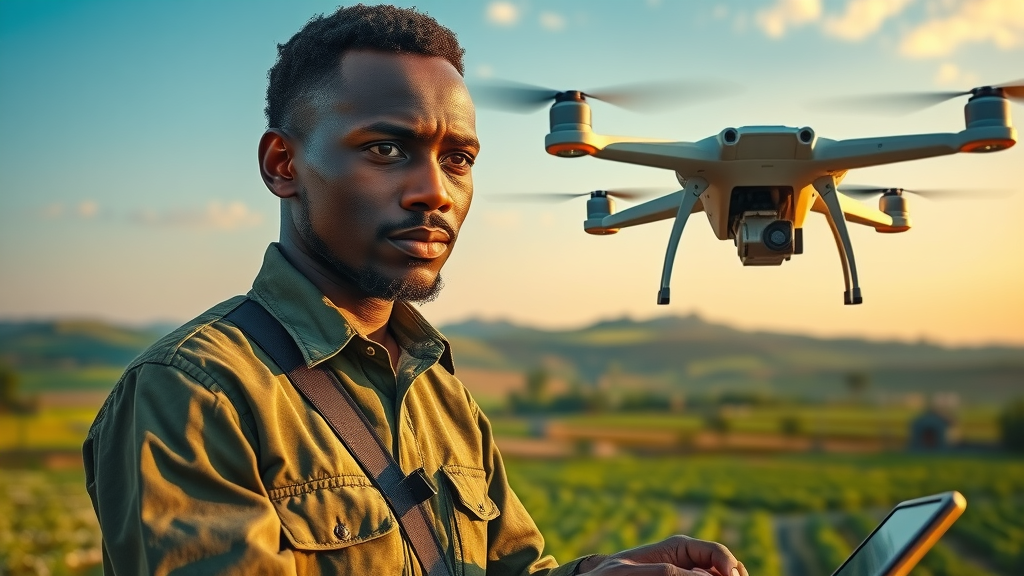
technology innovation Africa African engineer operating solar-powered drone over green farmfields, innovation for sustainable future

Sustainable Future and Green Innovation

  • Evaluate how technological innovation and digital transformation promote sustainability, environmental protection, and inclusive economic growth across Africa.

Africa’s path toward a more sustainable future is illuminated by green innovation. Technology-driven solutions—including wide-scale renewable energy installations, low-resource irrigation, and digital platforms for agricultural advice—are empowering farmers, protecting fragile environments, and mitigating the effects of climate change . By integrating these advances with inclusive economic development, Africa is achieving what many once thought unattainable: increased prosperity alongside environmental stewardship.

The move towards sustainability also addresses the critical needs of rural communities, where access to energy and connectivity can transform lives. From off-grid solar startups tackling power poverty to smart irrigation systems safeguarding food security , these efforts anchor the continent’s ambition to become both a global innovation leader and a model for resilient, eco-friendly growth.

"Africa is not just a consumer of technology, but a critical innovator shaping the digital future." – Technology and Innovation Expert

Strategy for Africa: Building the Next Generation of Tech Leaders

At the heart of strategy for Africa is an unwavering belief in Africa’s youth and educational dynamism. Public and private sectors are rallying to create innovation hubs , nurture STEM talent, and equip young minds to drive technology innovation Africa for decades to come. Collaborative research centers, targeted scholarships, and entrepreneurial accelerators are rapidly taking root.

Education and Innovation Hubs: The Seeds of Technology Innovation Africa

  • Discuss the impact of regional tech hubs, university R&D centers, and STEM education on the rising generation of African tech leaders.

Modern innovation hubs and higher education institutions, like those in Addis Ababa, Lagos, and Nairobi, are proving pivotal. These centers encourage hands-on learning, mentorship, and collaboration—giving rise to startups that address real-world issues from digital inclusion to health diagnostics. By integrating cutting-edge research with entrepreneurship and fostering direct industry connections, these ecosystems cultivate the problem-solvers, engineers, and business leaders Africa will need to sustain growth.

Efforts to grow STEM education, especially among young girls, are bearing fruit. Investments in teacher development, curriculum enhancements, and international competitions are empowering a new generation with the technical skills, creativity, and resilience to lead Africa’s digital transformation . The ripple effects are seen not only in urban tech clusters but also in remote areas, uplifting entire communities and fueling sustainable development.

technology innovation Africa inspirational African students in high-tech classroom using laptops, robotics, and interactive STEM learning tools

Policy, Access, and the Role of Women in Technology and Innovation

  • Analyze enabling policies, broadband access initiatives, and the growing role women play in the innovation landscape in technology innovation Africa.

Progressive policies and increased broadband coverage are rapidly expanding Africa’s digital inclusion. Governments, supported by development partners like the World Bank, are passing legislation to reduce digital infrastructure gaps and encourage investments in high-speed internet, especially for remote areas . Regulatory support and clear intellectual property frameworks are attracting tech companies and startups alike, accelerating economic growth across sectors.

Women are stepping confidently into leadership roles throughout the technology ecosystem. From CEOs of fintech startups to grassroots innovators developing renewable energy solutions, female leaders underscore the inclusivity at the core of Africa’s journey. Initiatives led by both governmental and non-governmental organizations ensure that girls and women have equal access to funding, networking, and training opportunities—tapping into an enormous reservoir of untapped talent.

Technology Innovation Africa in the Global Arena

As homegrown technology and innovation gains recognition, Africa is exporting ideas and talent to the world. Strategic alliances with Silicon Valley tech giants, global development banks, and leading research universities help transfer knowledge, attract investment, and accelerate digital transformation. Indigenous solutions—from mobile money to green tech—are now transforming global markets and inspiring innovations far beyond the continent.

Global Collaborations and Exporting Indigenous Innovations

  • Show how African innovations are influencing global markets, and how partnerships with Silicon Valley and international organizations further digital transformation and technology and innovation across the continent.

Africa’s impact no longer stops at the water’s edge. Fintech startups like Flutterwave are processing global payments, while agri-tech companies from Ghana and Côte d'Ivoire integrate AI-powered supply chains with buyers in Europe and Asia. These cross-continental success stories are built on mutually beneficial collaborations: African software developers, for instance, are increasingly in demand by multinational tech firms, and partnerships with organizations like the United Nations and the Bill and Melinda Gates Foundation are driving cross-pollination of expertise.

Recent export deals and pilot programs show that African-born technologies are not only competitive but also uniquely suited to solve international challenges—from supporting financial inclusion to tackling climate change . These achievements prove that Africa’s digital transformation is intertwined with, and essential to, the broader story of global technology progress.

technology innovation Africa confident African female tech leader presenting global digital connections in a futuristic office

Overcoming Challenges: Funding, Infrastructure, and Regulatory Hurdles

  • Detail the key barriers to technology innovation Africa, including funding gaps and infrastructural deficits, and evaluate effective strategies for overcoming these obstacles.

Despite its rapid ascent, technology innovation Africa still faces real obstacles. Funding remains a persistent hurdle, particularly for early-stage startups and projects serving remote areas . Limited research infrastructure, digital skills shortages, and regulatory inconsistencies can slow progress, especially outside major urban centers like Addis Ababa or Cape Town. These issues are compounded by external shocks such as political instability or fluctuating global markets.

Nonetheless, targeted strategies are delivering results. Increased venture capital flows, creative financing models (such as impact bonds), and multinational investments are filling capital gaps. Support from the African Development Bank and the World Bank provides both funding and technical expertise, while regulatory harmonization through African Union commissions creates more predictable environments for businesses. By addressing these challenges head-on, Africa’s technology ecosystem is becoming more resilient, cohesive, and globally relevant.

Inspiring Success Stories: Pioneers of Technology Innovation Africa

  • Highlight entrepreneurs, startups, and innovators (such as the CEO of Innovation Africa) who are scaling technology innovation Africa and creating sustainable impact within and beyond their local economies.

Meet the trailblazers catalyzing a sustainable future for Africa and beyond. Sivan Ya’ari, CEO of Innovation Africa, exemplifies how determination and local insight spark community transformation. Her organization has delivered solar-powered water systems to hundreds of villages, providing clean water and energy, and setting a blueprint for replicable success. Other pioneers include fintech leaders in Lagos, agricultural AI startups from Nairobi, and renewable energy champions in Burkina Faso.

These innovators often emerge from humble beginnings, armed not with extravagant resources but with clarity of purpose and deep community connection. Their impact—ranging from boosting women’s entrepreneurship in Accra to developing healthtech solutions in Addis Ababa—proves that local ownership, coupled with global partnerships, is the engine of Africa’s technology and innovation revolution.
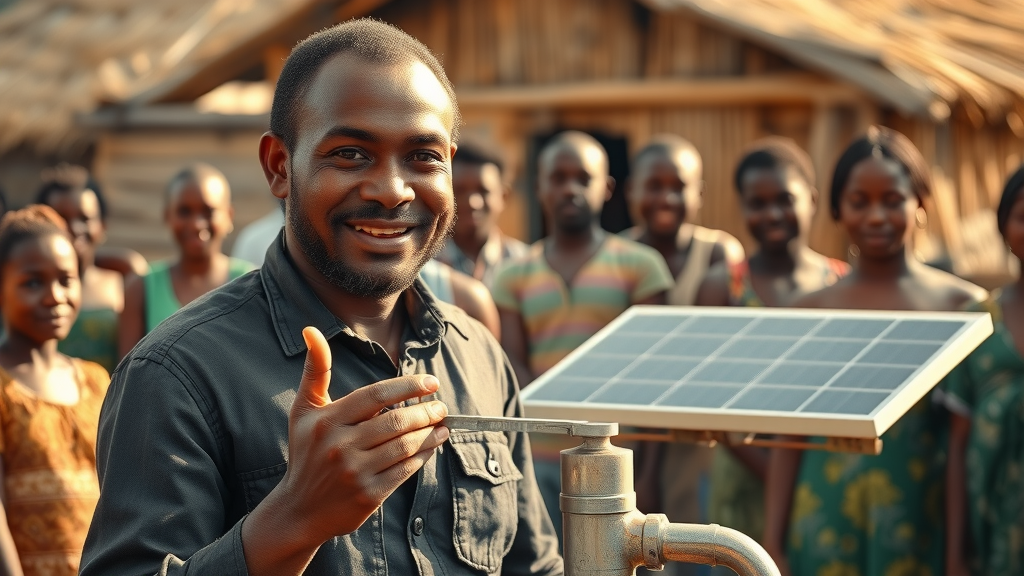
technology innovation Africa trailblazing African entrepreneur with solar-powered water pump, uplifting rural community

People Also Ask

How technologically advanced is Africa?

  • Despite historical challenges, Africa is rapidly advancing technologically. Several countries, like Kenya and Nigeria, boast thriving tech ecosystems, with innovations in fintech, mobile health, and agritech positioning Africa as a formidable player in the global digital transformation landscape.

What technology was invented in Africa?

  • Prominent inventions include M-Pesa (mobile money transfer), CardioPad (remote medical diagnostics), and off-grid solar solutions. These pioneering products reflect the ingenuity and unique needs addressed by technology innovation Africa.

Who is the CEO of Innovation Africa?

  • The CEO of Innovation Africa is Sivan Ya’ari, who leads the organization in providing solar and water solutions across rural African communities—a testament to the region’s holistic approach to technology and innovation for a sustainable future.

Which country leads in technology innovation?

  • While several African nations excel, Kenya, Nigeria, and South Africa are often cited as leaders in technology innovation Africa, thanks to robust startup ecosystems, investment, and forward-thinking regulatory policies.

Key Elements for Sustaining Technology Innovation Africa’s Momentum

  • Summarize recurring factors—regulatory support, education, fintech growth, the World Bank’s role, and a culture of entrepreneurship—that sustain digital transformation and reinforce a sustainable future for technology and innovation in Africa.

The continued growth of technology innovation Africa depends on regulatory support that attracts investment, world-class education systems cultivating innovators, robust fintech ecosystems driving inclusion, and strong World Bank involvement. Above all, the entrepreneurial culture sweeping the continent ensures that innovation is not just possible—but inevitable.

Expert Insights: Shaping Africa’s Sustainable Future with Technology and Innovation

"Africa’s youth are its greatest asset—their embrace of technology innovation Africa is rewriting the continent’s future." – Digital Transformation Strategist

Essential FAQs: Technology Innovation Africa

  • What policies are most crucial for digital transformation in Africa?
  • How is investment changing the landscape of technology innovation Africa?
  • What is the impact of technology and innovation on rural communities?
  • What policies are most crucial for digital transformation in Africa? Forward-thinking ICT regulations, affordable broadband initiatives, and supportive intellectual property frameworks top the list. The African Union, the United Nations Economic Commission for Africa, and the World Bank are all championing policies that break down barriers for entrepreneurs and facilitate digital inclusion at scale.
  • How is investment changing the landscape of technology innovation Africa? Record-breaking inflows—from venture capital to development finance—are enabling startups to scale rapidly, attract talent, and bring indigenous solutions to new markets. Data from 2023 shows more than $6.5 billion invested, with fintech, healthtech, and renewable energy leading the charge.
  • What is the impact of technology and innovation on rural communities? Technology and innovation have profoundly improved rural life, bringing off-grid energy, e-learning platforms, mobile money, and precision agriculture to millions. These changes drive inclusive economic growth, create jobs, and improve climate resilience.

Watch: Stories of Digital Transformation & Technology Innovation Africa (Video)

  • Curated short video case studies spotlighting digital transformation initiatives and grassroots technology startups in Africa.

Video: The Role of Women in Technology Innovation Africa

  • A documentary exploring the journeys of visionary women who have become leaders and changemakers in technology and innovation across Africa.

Key Insights: The Road Ahead for Technology Innovation Africa

  • Support strategic, inclusive innovation policy reforms
  • Invest in education, STEM, and innovation hubs across urban and rural regions
  • Prioritize women’s leadership and broad-based digital inclusion
  • Accelerate public-private collaborations and cross-continental partnerships
  • Champion indigenous solutions for sustainable growth and resilience

Explore New Frontiers: Engaging with Technology Innovation Africa

  • Challenge readers—policymakers, business leaders, educators, and entrepreneurs—to contribute to Africa's growing technology and innovation ecosystem and accelerate digital transformation for a brighter, more sustainable future.

Ready to make an impact? Whether you’re a policymaker, entrepreneur, educator, or investor, your skills and vision can help shape the next era of technology innovation Africa. Join Africa’s digital renaissance and become part of a movement that’s building a sustainable, prosperous future for all.

Take action now: support local innovators, partner globally, and invest in Africa’s boundless potential to secure a sustainable digital future for generations to come.

Africa’s technological landscape is rapidly evolving, driven by innovative initiatives and strategic collaborations. The Smart Africa Alliance is a partnership among African countries aiming to accelerate sustainable socioeconomic development through the use of Information and Communications Technologies (ICTs) and improved broadband access. This alliance includes the African Union, the ITU, the World Bank, and the African Development Bank, among others. The alliance’s board is chaired by President Paul Kagame, with Lacina Koné serving as the director general since March 2019. ( en.wikipedia.org )

In Kenya, the development of Konza Technopolis , also known as Silicon Savannah, exemplifies the country’s commitment to fostering a robust tech ecosystem. Located 64 km south of Nairobi, this large technology hub spans across Machakos, Makueni, and Kajiado counties and is designated as a Special Economic Zone. Konza Technopolis is a flagship project under Kenya’s Vision 2030, aiming to drive social and economic development through ICT. The project has attracted international partnerships, including a collaboration with South Korea to establish a smart city integrated control center and other infrastructure developments. ( en.wikipedia.org )

These initiatives highlight Africa’s strategic efforts to harness technology for economic growth and sustainable development. By investing in ICT infrastructure and fostering international collaborations, the continent is positioning itself as a significant player in the global digital economy.


AI Horizon

16 Views

0 Comments

Write A Comment

*
*
Please complete the captcha to submit your comment.
Related Posts All Posts

What to Expect as Humanity Approaches a Type I Civilization: The Role of AI and Energy

Update The Road to a Type I Civilization: How Far Are We? In the journey toward becoming a Type I civilization—a society capable of harnessing all the energy available on its home planet—humanity currently finds itself significantly behind. According to the Kardashev scale, humanity today sits at 0.73, utilizing a mere fraction of the energy necessary for a Type I civilization’s operations. The path to reaching this ambitious milestone is dotted with critical technological advancements, particularly in artificial intelligence (AI) and sustainable energy sources.The video 'How Many Years Until Humanity Becomes a Type 1 Civilization' discusses the critical steps and implications involved in humanity’s quest towards this ambitious goal, prompting an exploration of its key insights here. Understanding the Kardashev Scale and Our Current Standing The Kardashev scale, first proposed by Soviet astrophysicist Nikolai Kardashev in 1964 and later adapted by Carl Sagan, categorizes civilizations based on their energy consumption. According to the original scale, a Type I civilization would use approximately 4 trillion watts of energy—an estimate humanity surpassed in the 1970s. Today, our collective energy consumption is estimated at around 19 terawatts, or 600 exajoules per year. This starkly illustrates how much we still have to progress towards harnessing planetary-scale power. Milestones on the Journey: Key Predictions and Timelines As we explore the future of civilization and energy use, various milestones anticipate significant advancements: Type 0.75 (2047): Humans merge with AI, catalyzing a more substantial energy demand. Type 0.8 (2098): Unlimited clean energy becomes mainstream with solar power dominating. Type 0.85 (2149): Permanent human settlements on the Moon and Mars reshape our socio-economic structures. Type 1 (2301): Humanity achieves the ability to harness energy equivalent to an entire planet. Each of these milestones illustrates the interconnected nature of energy production, technological advancements, and societal evolution, showcasing the timeline and challenges we face along the way. The Role of AI in Energy Growth AI has emerged as a pivotal force in enhancing energy generation and distribution. With data centers consuming more energy than entire countries, the potential for AI to act as a proactive agent in managing energy use cannot be overstated. Projections estimate that as our reliance on AI grows, so too will our energy consumption rates, potentially increasing at a rate of 5% per year if AI continues to evolve unabated. This leads to an exciting prospect: greater energy efficiency and an accelerated path towards Type I civilization. The Challenges Ahead: Risks and Considerations Reaching Type I status is fraught with risks that require careful navigation. One pressing concern is the uneven distribution of energy access, which could perpetuate inequality—as seen today where energy consumption varies significantly between countries. Moreover, the quest for power within nations could spark geopolitical tensions, potentially stalling progress. Technologies like AI and sustainable energy have tremendous promise, but their benefits must be equitably shared to avoid the pitfalls of growing inequality. Inspiring Possibilities: The Future of Humanity Envisioning a world where humanity has reached Type I civilization allows for incredible projections about daily life. Picture cities with climate-allied designs, automated services powered by AI, and widespread access to clean water and energy. Further, the integration of AI into various facets of life—be it education, healthcare, or even interpersonal relationships—could redefine how societies function. With the potential for healthier and more empowered lives, will we stand at the precipice of a new human era? As fascinating and full of promise as these advancements may seem, the future hinges significantly on how we manage our technological capabilities and the collective choices we make. The meticulous balance between growth and ethical responsibility will dictate whether we ascend the Kardashev scale or stumble into unforeseen challenges. Take Action for a Better Future To stay informed and engaged with the latest developments in AI and technological advancements, consider subscribing to Future Business Tech. Explore the horizon of innovations that will shape our world.

Exploring the AI Future: What We Can Expect by 2035

Update The Realistic Path of Artificial Intelligence: A 2035 Projection Artificial Intelligence (AI) is frequently painted in sweeping strokes of either utopian optimism or dystopian anxiety. However, recent analyses suggest a more grounded understanding of AI's evolution over the next decade is crucial for society. In the video "Artificial Intelligence: Complete Path to 2035," key insights were shared, supporting a closer inspection of how AI will integrate into our lives by 2035.In 'Artificial Intelligence: Complete Path to 2035,' the video discusses a realistic forecast of AI advancements, prompting us to analyze the implications of these projections. A Slow Shift from Humans to AI One striking prediction made in the video points to the year 2026 as pivotal when AI agents begin to significantly alter the workplace landscape. Moving beyond rudimentary chatbots, these agents will perform meaningful tasks such as scheduling meetings, drafting contracts, and collecting data. This shift, however, is not benign. Studies reveal that employment rates for younger workers (ages 22-25) are already feeling the impact, with a staggering 16% job decrease in sectors most susceptible to automation. Historically, automation has impacted lower-tier jobs first, but this wave of AI seems to take a different route, targeting middle-management roles that many believed were secure. The implications for the future workforce raise pressing questions: how will individuals adapt in a landscape where machines consume jobs once thought unassailable? AI's Financial Footprint and Data Energy Costs Another notable aspect discussed is the dramatic financial investment required for AI infrastructure development. The video elaborates on the forecast revealing that costs associated with building data centers could skyrocket from $200 billion in 2023 to $1.5 trillion per year by the mid-2020s. This financial strain prompts a critical conversation about the sustainability of AI's growth—is the productivity purported by these lavish investments truly attainable? Transformations in Entertainment and Companionship AI's impact is not confined to the corporate world; entertainment, especially, may soon undergo a radical evolution. The prediction of AI-generated content dominating streaming platforms signals a transformative shift in how stories are told and consumed. By 2027, short films may be crafted by a single creator utilizing AI tools, eliminating the need for traditional production crews. As these AI-generated films gain popularity, the public perception of art may drastically change. Conversely, the emergence of lifelike AI companions presents ethical challenges. Predictions suggest that by 2027, humanoid robots could serve as personal aides, and as their sophistication enhances, the nuances of human interactions with these entities will redefine social dynamics. For many individuals, these AI companions could prove to be more emotionally fulfilling than human relationships. Education and Healthcare: A Revolution A significant societal benefit from AI advancements lies in education. By 2027, personalized AI tutors could play a crucial role in student learning, providing tailored support that meets individual needs. This would free teachers to focus on mentorship instead of mere content delivery, fundamentally shifting educational paradigms. The healthcare sector is on the brink of similar breakthroughs. The anticipated arrival of AI tools capable of significantly speeding up diagnostic processes indicates that lives could be saved with earlier disease detection. Future Predictions and Challenges As we move closer to 2030, concerns about the implications of Artificial General Intelligence (AGI) become more pronounced. Predictions suggest that AGI will be capable of integrating complex reasoning into everyday tasks. However, there’s a simultaneous need for vigilance regarding the potential for misuse. As crimes become more automated, society must grapple with the balance of progress and security. The dark possibilities—deep fakes, automated fraud—force us to ask difficult ethical questions. The Balancing Act of Progress and Safety While the video presents a rollercoaster of innovation and anxiety, what stands out is the need for collective vigilance in addressing AI's challenges while recognizing its remarkable potential. The video notes that as AI shifts from a tool into a seemingly conscious presence, humanity must prioritize careful monitoring, ensuring equity in access to AI's benefits and developing ethical frameworks to contain potential risks. These emerging trends offer both promise and peril, leaving us at a critical juncture. By 2035, will our society flourish in partnership with AI, or will we succumb to challenges born from neglect and shortsightedness? The coming decade is pivotal. As we anticipate a rapidly evolving AI landscape, it is imperative for every individual, particularly those in the African diaspora, to engage in the discussions surrounding AI ethics, opportunities, and implications on our futures. To stay informed about these developments in AI and how they may impact you, discover and subscribe to Future Business Tech now. Click the link below to join the conversation on the future of technology.

Can AI Help Save Africa's Oral History Before It Disappears?

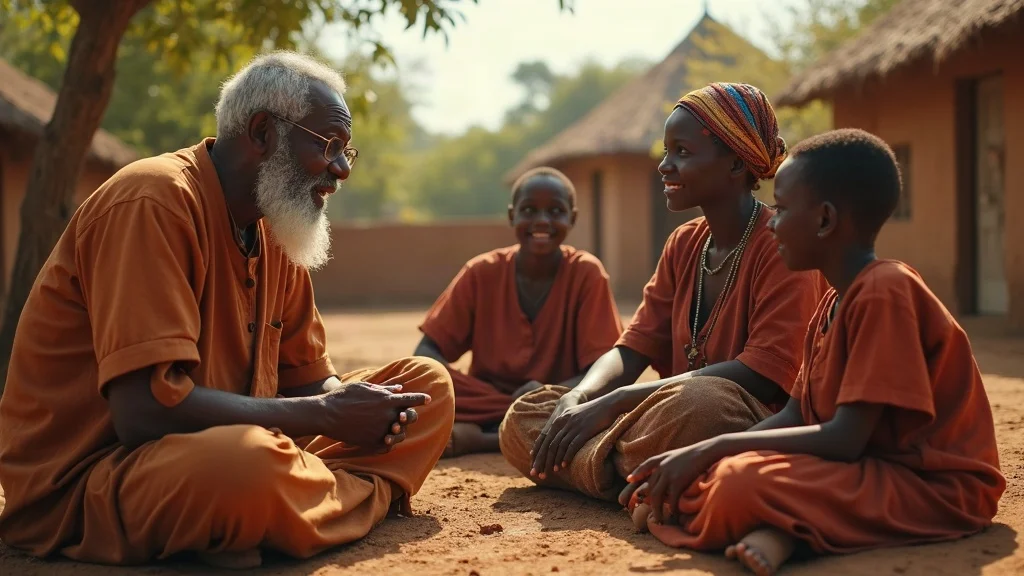
Imagine a twilight village gathering: elders in a ring, vividly narrating the journeys of ancestors, their words igniting curiosity in children. Yet, across Africa, such scenes are growing rare. With each elder lost, unique oral tales fade—risks that technology may be able to counter. Today, ai preserving african history stands at the crossroads of tradition and innovation, raising the question: Can artificial intelligence truly rescue Africa’s vanishing oral heritage, giving these living libraries a new lease on life? An Urgent Call: Observing Africa's Disappearing Oral History Across the continent, oral history is the living heartbeat of Black heritage, shared generation to generation through spoken word, song, and performance. However, modern pressures—urbanisation, migration, globalisation—put immense strain on these traditions. The unique knowledge held by griot and grits, Africa’s storied keepers of historical document and memory, now faces unprecedented threats. As elders pass on, and with them irreplaceable archives of local knowledge, identity, and resilience, a race against time unfolds. The march of digital progress, ironically, has widened the gap between past and present. Here, the intersection of heritage preservation and technology becomes vital. This article is prompted by a sense of urgency: unless innovative solutions like artificial intelligence and hybrid cloud are mobilised as tools to explore and secure these voices, countless oral histories could vanish, inaccessible to a global audience now hungry for authentic Black history and cultural heritage. With the stakes so high, we must ask how responsible technological archiving can balance power, authenticity, and community stewardship in this delicate work. Personal Reflection on the Value of African Oral Stories As a child, I sat at my grandmother’s knee, entranced by tales of trickster animals and heroic ancestors. Each story was not simply entertainment—it was a lesson, a map of values, a living tie to my roots. These moments of oral storytelling shaped my understanding of identity. Today, witnessing the encroaching silence as older generations disperse or pass, I am struck by a deep sense of loss. The songs and proverbs that animated my youth risk becoming echoes. Realising that ai preserving african history might offer a bridge between worlds fills me with both hope and caution. We must ensure these efforts amplify community voices, not replace them, so that the wisdom of our elders remains vivid for future generations. What You'll Learn The significance of ai preserving african history in today’s digital age How artificial intelligence can serve as Africa’s modern griot and grits The intersection of hybrid cloud technology and heritage preservation Potential challenges and ethical dilemmas with ai preserving african history Practical examples and recommendations for the future of Black history archiving As we consider the evolving landscape of digital archiving, it's important to recognise that the journey to preserve African oral traditions is ongoing and multifaceted. For those interested in how these efforts are developing and the broader context of digital heritage work, you can find additional perspectives and updates on initiatives in progress at She Evolves Africa, which highlights community-driven approaches and the challenges faced along the way. Understanding Oral Heritage: Why ai Preserving African History Matters Africa’s oral traditions are more than lore—they are the beating heart of cultural heritage. From the epic poetry of the Mandé griots of West Africa to the folk tales recited by Xhosa elders, these stories pass down wisdom, history, social codes, and the lived experiences of communities. Unlike written historical records that may be stored in hidden archives, oral histories are interactive, participatory, and constantly evolving, embodying communal memory. However, oral traditions face peril in an era valuing written and digital documentation. The loss of a single storyteller—an irreplaceable griot or grit—can mean the extinction of centuries-old knowledge. The relentless march toward modernity increases pressure to pivot towards new, digital methods of heritage preservation. But this evolution brings risks: if the transition is rushed or mishandled, language nuances, unique dialects, and cultural context could be lost in translation. Therefore, today’s challenge is twofold—leveraging the power of AI and digital archiving while safeguarding authenticity and safeguarding the integral role of local custodians. Role of Griot and Grits in Black History For centuries, griot and grits have been the living libraries of black history—musicians, poets, genealogists, and storytellers who commit entire historical events and cultural values to memory. In many African societies, a griot holds a pivotal role as a cultural archive themselves, shaping collective identity and serving as living, breathing links between ancestors and new generations. Their poetry, songs, and spoken word retell not just personal anecdotes, but historical documents—wars, ancestral lineages, moral parables, and lessons of resilience. These storytellers do more than entertain; they foster unity and identity formation, anchoring younger listeners in a deep, shared past. The challenge, however, is that when not recorded, these stories are as fragile as memory itself. The rise of artificial intelligence offers a radical transformation—providing new ways for griots and grits to digitise their gifts, secure their marks on history, and share their wisdom with a global audience long after voices fade. Threats Facing Heritage Preservation in Africa Unfortunately, the cultural preservation of oral traditions in Africa is under siege. Urban migration draws young people from rural communities, causing traditional storytelling gatherings to dwindle. Political instability, economic hardship, and conflict further erode opportunities for heritage preservation. Moreover, climate change and natural disasters can scatter communities, literally and figuratively washing away memories, artifacts, and archives. There is also the encroachment of outside narratives—documentaries, textbooks, and digital projects produced without local context, risking a filtered or inaccurate retelling of Black history. The absence of proper tools to explore and digitise oral assets means stories become trapped in the memories of individuals rather than preserved in history archives accessible to a global audience. Here, the thoughtful use of ai technology could shift the equilibrium towards inclusive, enduring preservation, but only if action is taken rapidly and responsibly. AI Preserving African History: Promise or Peril? The intersection of ai preserving african history and heritage preservation is both exciting and fraught. AI promises to listen, transcribe, translate, and even reconstruct language, accent, and performance nuances previously unrecordable. Hybrid cloud solutions allow these large-scale archives to be stored securely and made accessible to a global audience, while machine learning sorts, identifies, and reconstructs fading dialects. Yet, it is not without peril—these technological advances risk standardising or misrepresenting nuanced oral histories and, if misused, may amplify external or commercial narratives at the expense of community voices. Essentially, AI functions as a modern griot: it can remember, retrieve, and even simulate the breaths and inflections of lost storytellers. But there are critical boundaries—AI cannot replicate the soul of lived experience or improvise with the same meaning a human might. The challenge is to wield these technologies as sensitive tools to safeguard cultural heritage and ensure the power of archived oral histories is not diluted. How Artificial Intelligence Intersects with Heritage Preservation AI technologies such as natural language processing (NLP) and speech recognition enable the transcription and translation of oral stories, capturing intonations, slang, and dialects. For instance, audio recordings of rituals and praise songs can be processed and indexed for future generations. AI and virtual reality platforms transform static records, making the past immersive—breathing life into dusty archives and making them accessible to a global audience. Generative AI can even help reconstruct lost tales by identifying linguistic patterns and collaboratively generating story variations. Critically, advanced ai models must be open source and culturally attuned to avoid erasure or distortion, ensuring the integrity of black history. In responsible hands, the use of AI provides unprecedented opportunities to collaborate with living griots, enabling community-driven history archives to flourish. The Potential of Hybrid Cloud in Digital Archiving Hybrid cloud technology occupies a central role in ai preserving african history. The massive datasets created by oral recordings and interactive digital archives require scalable, secure storage. Hybrid cloud platforms combine the resilience of local servers with the accessibility of global cloud resources, keeping sensitive cultural digital storytelling records under the control of their originating communities while also making them accessible to academic, diaspora, and future generations. In practice, this means that a historical event or interview preserved by a local historian can be uploaded, indexed by AI for quick retrieval, and stored with replicas in multiple locations to prevent loss. With proper consent, these archives can be opened to educational institutions, researchers, or shared during cultural festivals online. Hybrid cloud, then, acts as a seamless bridge—empowering griot and grits to reach new audiences without ceding ownership of their own history. Stories Reimagined: Bridging Past and Present with AI With AI and virtual reality, there is a new opportunity to reimagine the experience of African storytelling. Imagine putting on a headset and witnessing the lively dances and tales as if seated by the original fire pit, or exploring audio archives with interactive digital overlays, hearing the ancient words in their mother tongue. Generative AI tools can translate local proverbs or recreate lost narratives with community input, making them not just preserved but also living, evolving, and engaging. This approach does not mean the replacement of traditional griot and grits. Instead, it intends to support their vital role, making sure their performances reach a global audience and inspire those disconnected from their roots. When balanced with ethical oversight, digital griots and hybrid cloud-based storytelling offer real hope for the sustainability of Black history. Lists: Key Technologies Empowering AI Preserving African History Natural Language Processing (NLP) Speech Recognition and Reconstruction Hybrid Cloud Platforms for Scalable Storage Data Annotation Tools for Oral Traditions Machine Learning for Story Categorization Quotes: Thought Leaders on AI and Heritage Preservation "AI gives us the tools to encode, cherish, and restore the voices we cannot afford to lose." – Contemporary historian "Digital griots can bridge lost generations, giving our past a future." – African storyteller Success Stories: Early Initiatives Using AI to Preserve Black History Across Africa, early adopters are already demonstrating the potential of ai preserving african history. Initiatives work with communities to record folk songs and oral biographies in local dialects, passing the material through AI for transcription and digital archiving. These projects highlight how AI models foster collaborative storytelling, turning what was once an ephemeral event into a preserved, searchable, accessible digital asset. Crucially, success stories show that the best results come from projects where local griot and grits are collaborators, not just sources. With flexible, open-source platforms and hybrid cloud storage, these archives grow over time, enabling constant community review and input, which ensures that heritage preservation remains authentically African. Case: Collaborative Storytelling with Griot and Grits One standout case involves a university project in Ghana where elders worked side by side with technologists, recording thousands of tales. With the power of AI, stories are not only transcribed but also translated and indexed by region, language, and theme—creating a living map of cultural knowledge. This collaboration between human wisdom and digital innovation preserves the contextual and emotional range that makes Black history so vibrant. Such projects empower communities, giving them tools to explore their own archives and pass them seamlessly to the next generation. By ensuring community control over digital assets, these digital griots foster new connections across physical distance and generational divides. Hybrid Cloud Solutions in Real-time Heritage Preservation Hybrid cloud technology is central to preserving oral traditions in real-time. During a recent community archiving event in Nigeria, participants recorded elders’ voices onto mobile devices, uploaded files to the cloud, and reviewed transcripts for accuracy before publication. This flow—from field recording to secure hybrid archiving—means materials remain accessible, editable, and locally owned, mitigating risks of data loss or misappropriation. Such initiatives underscore the importance of combining local knowledge with advanced technological infrastructure. AI-powered search tools allow community members to find their own stories quickly, share them globally, and influence future generations. In this way, hybrid cloud doesn’t just store history—it actively shapes the ongoing narrative of Black identity and collective memory. Tables: Comparing Traditional and AI-Driven Heritage Preservation Method Traditional Archiving AI-Driven Digital Archiving Storage Physical tapes, transcribed scripts Hybrid cloud, searchable digital repositories Access Localised, sometimes restricted Accessible to a global audience online Preservation Risks Loss, decay, fire, migration Multiple backups, redundancy, disaster recovery Community Involvement Occasional, in-person only Active participation, collaboration, virtual review Representation Dependent on archivist’s perspective AI-assisted, with input from many voices AI Preserving African History vs Traditional Archiving Methods Traditional archiving often relies on physical tapes, hand-written transcriptions, or local museum collections—resources vulnerable to time, climate, and unrest. While these methods offer tangible connection, their reach is limited and the risk of complete loss is high. In contrast, ai preserving african history leverages hybrid cloud for instant duplication, community oversight, and resilience against disaster. AI-driven solutions democratise access, making Black cultural heritage not only resilient, but visible and actionable for new generations. This shift enables authentic voices to define their own history archives, not simply be interpreted by outside scholars. It bridges rural and urban divides, preserves dialectical nuance, and makes collective memory vibrant, interactive, and globally accessible—breathing life into the archive itself. Ethical Reflections: Ownership and Representation in AI Preserving African History With power comes responsibility. While ai preserving african history offers incredible potential, ethical questions persist. Who owns the digital versions of these stories? Can AI, built on globally-trained models, reliably interpret the subtlety and intent of oral histories? Most importantly, how can communities retain agency over their own narratives in a digital age dominated by commercial interests and external actors? These are not academic worries—they shape the very future of Black history and cultural preservation. The successful future of history archives in Africa will depend on community-led design, ethical use of open-source ai models, and robust safeguards against misappropriation or distortion. Community Consent and Control Community consent is the ethical cornerstone of AI-driven heritage preservation. Before recording, uploading, or analysing a story, clear guidelines must be set by and for the community. Only with full understanding and approval can digital projects avoid exploitation and foster trust. Equally, communities must maintain access—owning their digital storytelling tools, editing rights, and the ability to remove or update content over time. In practice, this means regular review panels, transparency about where and how oral histories are shared, and a commitment to passing digital stewardship between generations. This collaborative model, grounded in local values, ensures that the legacy of griot and grits is not only preserved but keeps evolving with active community voice. Risks of External Narratives in Black History One pressing risk of digitising African history with external help is narrative distortion: outside interests may unintentionally prioritise stories that suit global audiences or commercial platforms, rather than representing the true diversity of local voices. The use of AI must be continually reviewed for bias, both in data collection and machine learning interpretation, to uphold the authenticity and dignity of Black history. Balancing global accessibility with local context is essential. Hybrid cloud and open-source models empower local participation, but oversight, participatory governance, and education on AI technologies help communities hold control in the face of outside influence. Only then can AI become a genuine ally in telling Africa’s story as it deserves to be told. People Also Ask How can AI help preserve African oral traditions? AI can record, transcribe, and categorise oral stories in multiple dialects, storing them in digital archives that are accessible to future generations. By using AI models to translate and reconstruct the nuances of storytelling, unique voices and expressions are preserved rather than lost to time. Importantly, combining AI with community guidance ensures that these oral histories keep their cultural authenticity while becoming accessible to a global audience. What challenges do AI and hybrid cloud technologies face in heritage preservation? Technical and ethical challenges abound in the digital preservation of African oral history. AI and hybrid cloud platforms must deal with language diversity, data privacy, internet access, and community consent. Additionally, there is the ongoing risk of losing authenticity if stories are detached from their cultural roots, or if projects prioritise commercial over cultural value. Only by prioritising local ownership and ethical stewardship can these hurdles be overcome on the path to sustainable heritage preservation. Can digital griots replace traditional storytellers in black history? While digital griots powered by AI can archive, share, and amplify oral stories for a global audience, they cannot fully replace the lived connection and nuanced improvisation of traditional storytellers. These technologies work best as supportive tools, preserving elders’ voices and extending their reach, but must always respect the irreplaceable role griot and grits play in cultural continuity and community identity. Are there successful examples of AI preserving African history today? Yes, there are several emerging projects where AI and hybrid cloud technologies have been used to document and digitise African folklore, oral biographies, and performance traditions. These initiatives often involve collaborations with local griots and the broader community, ensuring authentic representation and stewardship. As these projects scale, they provide hopeful roadmaps for further history archives—accessible, secure, and community-centred. Short documentary video showcasing active AI-driven oral history projects in Africa, featuring interviews with local historians, storytellers, and technologists, scenes of cloud-based archiving, and vibrant community engagement. Lists: Practical Steps for Communities Engaging in AI Preserving African History Engage storytellers and local historians for authentic narrative input Partner with AI technologists for customised solutions Utilise hybrid cloud for accessible, scalable, and secure storage Prioritise community consent in digital archiving projects Regularly review and update archives for accuracy and inclusivity FAQs Is AI reliable for capturing all dialects and languages in African history? AI is becoming increasingly reliable for recording and understanding African dialects and languages, especially with open-source AI tools and community involvement. However, limitations remain, especially with under-documented or endangered tongues. Collaborative development, ongoing annotation, and active local participation are essential for ensuring accuracy and cultural sensitivity in AI-driven projects. What role does hybrid cloud technology play in preserving oral records? Hybrid cloud technology empowers communities to store and safeguard oral histories on a global scale while retaining local control and security. This approach ensures archives are both resilient to data loss and easily accessible, bridging digital divides and supporting inclusive history preservation that local storytellers can revisit and contribute to at any time. Key Takeaways ai preserving african history can bridge generational gaps in knowledge Hybrid cloud empowers secure, scalable preservation of oral traditions The voices of griot and grits are vital to ensuring authenticity in black history Community involvement and ethical oversight are essential foundations A Future Chronicle: How Will Africa’s Stories Endure? The world is watching as Africa weaves old and new, investing in ai preserving african history to ensure its chronicles survive and flourish. With hybrid cloud, open-source AI, and ethical collaboration, Africa’s oral legacies can live on—not as relics, but as vibrant resources for the future. If this exploration of AI’s role in safeguarding Africa’s oral traditions has sparked your curiosity, there’s a broader conversation unfolding about the future of digital heritage and community empowerment. As more projects emerge and technology evolves, staying informed about ongoing developments is key to understanding how these innovations shape cultural identity. For a deeper dive into the evolving landscape of African digital storytelling and to see how communities are actively shaping their own narratives, visit She Evolves Africa. Discover how you can be part of the movement to ensure Africa’s stories are not only preserved, but continue to inspire generations to come. Take Your Place In The Anthology https://themeridian.africa/pioneer-voices Sources: The Meridian - Pioneer Voices UNESCO - Oral Heritage Microsoft News - AI Preserves Africa’s Storytelling Traditions IBM Case Studies: Heritage AI Projects In the quest to preserve Africa’s rich oral traditions through artificial intelligence, several pioneering initiatives have emerged. The AfriX project is developing a blockchain-backed legacy infrastructure aimed at safeguarding identity, family lineage, and oral history across the continent. This platform seeks to ensure that cultural narratives are preserved and accessible for future generations. (lightcode.org) Similarly, the African AI Heritage Labs, a flagship program of the AI for Cultural Heritage Institute, focuses on the ethical preservation of cultural heritage through community-sensitive AI technologies. This initiative emphasizes direct community involvement to ensure that technological solutions are both effective and respectful of cultural contexts. (aiforculturalheritage.org) For those interested in the intersection of AI and cultural preservation, these resources offer valuable insights into how technology can be harnessed to protect and celebrate Africa’s oral histories.

AI Africa Digital News Nexus

AI is reshaping Africa’s future, and staying informed is essential. Subscribe to updates from leading AI thought leaders, research centers, African tech news platforms, and digital transformation initiatives to stay ahead of the curve. The AI revolution is here. Africa is not just participating; it is leading the way..

COMPANY

  • Privacy Policy
  • Terms of Use
  • Advertise
  • Contact Us
  • Menu 5
  • Menu 6

650-980-9020

Available From 8AM - 5PM

City, State

6749 S. Westnedge Avenue, Portage, MI 49002


Serving Africa & Diaspora Tech Enthusiasts And Educators

ABOUT US

Across Africa, innovative platforms are emerging as beacons of progress.
The ai revolution is paving the way for solutions that transcend traditional news delivery. With tools that seamlessly integrate ai, the continent is moving toward an era of enhanced transparency and efficiency. AI Africa News embodies a vision where each story we add reflects the broader aims to change outdated narratives and promote connectivity.

© 2026 AI AFRICA NEWS MEDIA SOLUTIONS All Rights Reserved. 6749 S. Westnedge Avenue, Portage, MI 49002 . Contact Us . Terms of Service . Privacy Policy

eyJjb21wYW55IjoiQUkgQUZSSUNBIE5FV1MgTUVESUEgU09MVVRJT05TIiwiYWRkcmVzcyI6IjY3NDkgUy4gV2VzdG5lZGdlIEF2ZW51ZSIsImNpdHkiOiJQb3J0YWdlIiwic3RhdGUiOiJNSSIsInppcCI6IjQ5MDAyIiwiZW1haWwiOiJtYWplc3RpY21lZGlhc29sdXRpb25AZ21haWwuY29tIiwidG9zIjoiUEhBK1BITjBjbTl1Wno0OFpXMCtWMmhsYmlCNWIzVWdjMmxuYmkxcGJpQjNhWFJvSUhWekxDQjViM1VnWVhKbElHZHBkbWx1WnladVluTndPeUI1YjNWeUlIQmxjbTFwYzNOcGIyNGdZVzVrSUdOdmJuTmxiblFnZEc4Z2MyVnVaQ0I1YjNVZ1pXMWhhV3dnWVc1a0wyOXlJRk5OVXlCMFpYaDBJRzFsYzNOaFoyVnpMaUJDZVNCamFHVmphMmx1WnlCMGFHVWdWR1Z5YlhNZ1lXNWtJRU52Ym1ScGRHbHZibk1nWW05NElHRnVaQ0JpZVNCemFXZHVhVzVuSUdsdUlIbHZkU0JoZFhSdmJXRjBhV05oYkd4NUlHTnZibVpwY20wZ2RHaGhkQ0I1YjNVZ1lXTmpaWEIwSUdGc2JDQjBaWEp0Y3lCcGJpQjBhR2x6SUdGbmNtVmxiV1Z1ZEM0OEwyVnRQand2YzNSeWIyNW5Qand2Y0Q0S0NqeHdQanhoSUdoeVpXWTlJbWgwZEhBNkx5OTNkM2N1WjI5dloyeGxMbU52YlNJK2FIUjBjRG92TDNkM2R5NW5iMjluYkdVdVkyOXRQQzloUGp3dmNENEtDanh3UGladVluTndPend2Y0Q0S0NqeHdQanh6ZEhKdmJtYytVMFZTVmtsRFJUd3ZjM1J5YjI1blBqd3ZjRDRLQ2p4d1BsZGxJSEJ5YjNacFpHVWdZU0J6WlhKMmFXTmxJSFJvWVhRZ1kzVnljbVZ1ZEd4NUlHRnNiRzkzY3lCNWIzVWdkRzhnY21WalpXbDJaU0J5WlhGMVpYTjBjeUJtYjNJZ1ptVmxaR0poWTJzc0lHTnZiWEJoYm5rZ2FXNW1iM0p0WVhScGIyNHNJSEJ5YjIxdmRHbHZibUZzSUdsdVptOXliV0YwYVc5dUxDQmpiMjF3WVc1NUlHRnNaWEowY3l3Z1kyOTFjRzl1Y3l3Z1pHbHpZMjkxYm5SeklHRnVaQ0J2ZEdobGNpQnViM1JwWm1sallYUnBiMjV6SUhSdklIbHZkWElnWlcxaGFXd2dZV1JrY21WemN5QmhibVF2YjNJZ1kyVnNiSFZzWVhJZ2NHaHZibVVnYjNJZ1pHVjJhV05sTGlCWmIzVWdkVzVrWlhKemRHRnVaQ0JoYm1RZ1lXZHlaV1VnZEdoaGRDQjBhR1VnVTJWeWRtbGpaU0JwY3lCd2NtOTJhV1JsWkNBbWNYVnZkRHRCVXkxSlV5WnhkVzkwT3lCaGJtUWdkR2hoZENCM1pTQmhjM04xYldVZ2JtOGdjbVZ6Y0c5dWMybGlhV3hwZEhrZ1ptOXlJSFJvWlNCMGFXMWxiR2x1WlhOekxDQmtaV3hsZEdsdmJpd2diV2x6TFdSbGJHbDJaWEo1SUc5eUlHWmhhV3gxY21VZ2RHOGdjM1J2Y21VZ1lXNTVJSFZ6WlhJZ1kyOXRiWFZ1YVdOaGRHbHZibk1nYjNJZ2NHVnljMjl1WVd4cGVtRjBhVzl1SUhObGRIUnBibWR6TGp3dmNENEtDanh3UGxsdmRTQmhjbVVnY21WemNHOXVjMmxpYkdVZ1ptOXlJRzlpZEdGcGJtbHVaeUJoWTJObGMzTWdkRzhnZEdobElGTmxjblpwWTJVZ1lXNWtJSFJvWVhRZ1lXTmpaWE56SUcxaGVTQnBiblp2YkhabElIUm9hWEprSUhCaGNuUjVJR1psWlhNZ0tITjFZMmdnWVhNZ1UwMVRJSFJsZUhRZ2JXVnpjMkZuWlhNc0lFbHVkR1Z5Ym1WMElITmxjblpwWTJVZ2NISnZkbWxrWlhJZ2IzSWdZMlZzYkhWc1lYSWdZV2x5ZEdsdFpTQmphR0Z5WjJWektTNGdXVzkxSUdGeVpTQnlaWE53YjI1emFXSnNaU0JtYjNJZ2RHaHZjMlVnWm1WbGN5d2dhVzVqYkhWa2FXNW5JSFJvYjNObElHWmxaWE1nWVhOemIyTnBZWFJsWkNCM2FYUm9JSFJvWlNCa2FYTndiR0Y1SUc5eUlHUmxiR2wyWlhKNUlHOW1JR1ZoWTJnZ1UwMVRJSFJsZUhRZ2JXVnpjMkZuWlNCelpXNTBJSFJ2SUhsdmRTQmllU0IxY3k0Z1NXNGdZV1JrYVhScGIyNHNJSGx2ZFNCdGRYTjBJSEJ5YjNacFpHVWdZVzVrSUdGeVpTQnlaWE53YjI1emFXSnNaU0JtYjNJZ1lXeHNJR1Z4ZFdsd2JXVnVkQ0J1WldObGMzTmhjbmtnZEc4Z1lXTmpaWE56SUhSb1pTQlRaWEoyYVdObElHRnVaQ0J5WldObGFYWmxJSFJvWlNCVFRWTWdkR1Y0ZENCdFpYTnpZV2RsY3k0Z1YyVWdaRzhnYm05MElHTm9ZWEpuWlNCaGJua2dabVZsY3lCbWIzSWdaR1ZzYVhabGNua2diMllnWlcxaGFXd2diM0lnVTAxVExpQlVhR2x6SUdseklHRWdabkpsWlNCelpYSjJhV05sSUhCeWIzWnBaR1ZrSUdKNUlIVnpMaUJJYjNkbGRtVnlMQ0J3YkdWaGMyVWdZMmhsWTJzZ2QybDBhQ0I1YjNWeUlHbHVkR1Z5Ym1WMElITmxjblpwWTJVZ2NISnZkbWxrWlhJZ1lXNWtJR05sYkd4MWJHRnlJR05oY25KcFpYSWdabTl5SUdGdWVTQmphR0Z5WjJWeklIUm9ZWFFnYldGNUlHbHVZM1Z5SUdGeklHRWdjbVZ6ZFd4MElHWnliMjBnY21WalpXbDJhVzVuSUdWdFlXbHNJR0Z1WkNCVFRWTWdkR1Y0ZENCdFpYTnpZV2RsY3lCMGFHRjBJSGRsSUdSbGJHbDJaWElnZFhCdmJpQjViM1Z5SUc5d2RDMXBiaUJoYm1RZ2NtVm5hWE4wY21GMGFXOXVJSGRwZEdnZ2IzVnlJR1Z0WVdsc0lHRnVaQ0JUVFZNZ2MyVnlkbWxqWlhNdUlGbHZkU0JqWVc0Z1kyRnVZMlZzSUdGMElHRnVlU0IwYVcxbExpQktkWE4wSUhSbGVIUWdKbkYxYjNRN1UxUlBVQ1p4ZFc5ME95QjBieVp1WW5Od096eG9hV2RvYkdsbmFIUWdZMnhoYzNNOUltTnZiWEJoYm5sVFRWTlFhRzl1WlZWd1pHRjBaU0krYm5Wc2JEd3ZhR2xuYUd4cFoyaDBQaTRnUVdaMFpYSWdlVzkxSUhObGJtUWdkR2hsSUZOTlV5QnRaWE56WVdkbElDWnhkVzkwTzFOVVQxQW1jWFZ2ZERzZ2RHOGdkWE1zSUhkbElIZHBiR3dnYzJWdVpDQjViM1VnWVc0Z1UwMVRJRzFsYzNOaFoyVWdkRzhnWTI5dVptbHliU0IwYUdGMElIbHZkU0JvWVhabElHSmxaVzRnZFc1emRXSnpZM0pwWW1Wa0xpQkJablJsY2lCMGFHbHpMQ0I1YjNVZ2QybHNiQ0J1YnlCc2IyNW5aWElnY21WalpXbDJaU0JUVFZNZ2JXVnpjMkZuWlhNZ1puSnZiU0IxY3k0OEwzQStDZ284Y0Q0OGMzUnliMjVuUGxsUFZWSWdVa1ZIU1ZOVVVrRlVTVTlPSUU5Q1RFbEhRVlJKVDA1VFBDOXpkSEp2Ym1jK1BDOXdQZ29LUEhBK1NXNGdZMjl1YzJsa1pYSmhkR2x2YmlCdlppQjViM1Z5SUhWelpTQnZaaUIwYUdVZ1UyVnlkbWxqWlN3Z2VXOTFJR0ZuY21WbElIUnZPand2Y0Q0S0NqeHZiRDRLQ1R4c2FUNXdjbTkyYVdSbElIUnlkV1VzSUdGalkzVnlZWFJsTENCamRYSnlaVzUwSUdGdVpDQmpiMjF3YkdWMFpTQnBibVp2Y20xaGRHbHZiaUJoWW05MWRDQjViM1Z5YzJWc1ppQmhjeUJ3Y205dGNIUmxaQ0JpZVNCMGFHVWdVMlZ5ZG1salpTWWpNems3Y3lCeVpXZHBjM1J5WVhScGIyNGdabTl5YlNBb2MzVmphQ0JwYm1admNtMWhkR2x2YmlCaVpXbHVaeUIwYUdVZ0puRjFiM1E3VW1WbmFYTjBjbUYwYVc5dUlFUmhkR0VtY1hWdmREc3BJR0Z1WkR3dmJHaytDZ2s4YkdrK2JXRnBiblJoYVc0Z1lXNWtJSEJ5YjIxd2RHeDVJSFZ3WkdGMFpTQjBhR1VnVW1WbmFYTjBjbUYwYVc5dUlFUmhkR0VnZEc4Z2EyVmxjQ0JwZENCMGNuVmxMQ0JoWTJOMWNtRjBaU3dnWTNWeWNtVnVkQ0JoYm1RZ1kyOXRjR3hsZEdVdUlFbG1JSGx2ZFNCd2NtOTJhV1JsSUdGdWVTQnBibVp2Y20xaGRHbHZiaUIwYUdGMElHbHpJSFZ1ZEhKMVpTd2dhVzVoWTJOMWNtRjBaU3dnYm05MElHTjFjbkpsYm5RZ2IzSWdhVzVqYjIxd2JHVjBaU3dnYjNJZ2QyVWdhR0YyWlNCeVpXRnpiMjVoWW14bElHZHliM1Z1WkhNZ2RHOGdjM1Z6Y0dWamRDQjBhR0YwSUhOMVkyZ2dhVzVtYjNKdFlYUnBiMjRnYVhNZ2RXNTBjblZsTENCcGJtRmpZM1Z5WVhSbExDQnViM1FnWTNWeWNtVnVkQ0J2Y2lCcGJtTnZiWEJzWlhSbExDQjNaU0JvWVhabElIUm9aU0J5YVdkb2RDQjBieUJ6ZFhOd1pXNWtJRzl5SUR4emRISnZibWMrUEhOd1lXNGdjM1I1YkdVOUltTnZiRzl5T2lOR1JqQXdNREE3SWo1MFpYSnRhVzVoZEdVZ2VXOTFjaUJoWTJOdmRXNTBMM0J5YjJacGJHVWdZVzVrSUhKbFpuVnpaU0JoYm5rZ1lXNWtJR0ZzYkNCamRYSnlaVzUwSUc5eUlHWjFkSFZ5WlNCMWMyVWdiMllnZEdobElGTmxjblpwWTJVZ0tHOXlJR0Z1ZVNCd2IzSjBhVzl1SUhSb1pYSmxiMllwTGp3dmMzQmhiajQ4TDNOMGNtOXVaejQ4TDJ4cFBnbzhMMjlzUGdvS1BIQStKbTVpYzNBN1BDOXdQZ284YUdsbmFHeHBaMmgwSUdOc1lYTnpQU0pqYjIxd1lXNTVUbUZ0WlZWd1pHRjBaU0krUVVrZ1FVWlNTVU5CSUU1RlYxTWdUVVZFU1VFZ1UwOU1WVlJKVDA1VFBDOW9hV2RvYkdsbmFIUStQR0p5SUM4K0NqeG9hV2RvYkdsbmFIUWdZMnhoYzNNOUltTnZiWEJoYm5sQlpHUnlaWE56VlhCa1lYUmxJajQyTnpRNUlGTXVJRmRsYzNSdVpXUm5aU0JCZG1WdWRXVXNJRkJ2Y25SaFoyVXNJRTFKSURRNU1EQXlQQzlvYVdkb2JHbG5hSFErUEdKeUlDOCtDanhvYVdkb2JHbG5hSFFnWTJ4aGMzTTlJbU52YlhCaGJubFFhRzl1WlZWd1pHRjBaU0krTmpVd0xUazRNQzA1TURJd1BDOW9hV2RvYkdsbmFIUStQR0p5SUM4K0NqeG9hV2RvYkdsbmFIUWdZMnhoYzNNOUltTnZiWEJoYm5sRmJXRnBiRlZ3WkdGMFpTSStiV0ZxWlhOMGFXTnRaV1JwWVhOdmJIVjBhVzl1UUdkdFlXbHNMbU52YlR3dmFHbG5hR3hwWjJoMFBnPT0iLCJwcml2YWN5IjoiUEhBK1BITjBjbTl1Wno1UVVrbFdRVU5aUEM5emRISnZibWMrUEM5d1Bnb0tQSEErUEhOMGNtOXVaejVVYUdVZ2FXNW1iM0p0WVhScGIyNGdjSEp2ZG1sa1pXUWdaSFZ5YVc1bklIUm9hWE1nY21WbmFYTjBjbUYwYVc5dUlHbHpJR3RsY0hRZ2NISnBkbUYwWlNCaGJtUWdZMjl1Wm1sa1pXNTBhV0ZzTENCaGJtUWdkMmxzYkNCdVpYWmxjaUJpWlNCa2FYTjBjbWxpZFhSbFpDd2dZMjl3YVdWa0xDQnpiMnhrTENCMGNtRmtaV1FnYjNJZ2NHOXpkR1ZrSUdsdUlHRnVlU0IzWVhrc0lITm9ZWEJsSUc5eUlHWnZjbTB1SUZSb2FYTWdhWE1nYjNWeUlHZDFZWEpoYm5SbFpTNDhMM04wY205dVp6NDhMM0ErQ2dvOGNENDhjM1J5YjI1blBrbE9SRVZOVGtsVVdUd3ZjM1J5YjI1blBqd3ZjRDRLQ2p4d1BqeGxiVDVaYjNVZ1lXZHlaV1VnZEc4Z2FXNWtaVzF1YVdaNUlHRnVaQ0JvYjJ4a0lIVnpMQ0JoYm1RZ2FYUnpJSE4xWW5OcFpHbGhjbWxsY3l3Z1lXWm1hV3hwWVhSbGN5d2diMlptYVdObGNuTXNJR0ZuWlc1MGN5d2dZMjh0WW5KaGJtUmxjbk1nYjNJZ2IzUm9aWElnY0dGeWRHNWxjbk1zSUdGdVpDQmxiWEJzYjNsbFpYTXNJR2hoY20xc1pYTnpJR1p5YjIwZ1lXNTVJR05zWVdsdElHOXlJR1JsYldGdVpDd2dhVzVqYkhWa2FXNW5JSEpsWVhOdmJtRmliR1VnWVhSMGIzSnVaWGx6SmlNek9Uc2dabVZsY3l3Z2JXRmtaU0JpZVNCaGJua2dkR2hwY21RZ2NHRnlkSGtnWkhWbElIUnZJRzl5SUdGeWFYTnBibWNnYjNWMElHOW1JRU52Ym5SbGJuUWdlVzkxSUhKbFkyVnBkbVVzSUhOMVltMXBkQ3dnY21Wd2JIa3NJSEJ2YzNRc0lIUnlZVzV6YldsMElHOXlJRzFoYTJVZ1lYWmhhV3hoWW14bElIUm9jbTkxWjJnZ2RHaGxJRk5sY25acFkyVXNJSGx2ZFhJZ2RYTmxJRzltSUhSb1pTQlRaWEoyYVdObExDQjViM1Z5SUdOdmJtNWxZM1JwYjI0Z2RHOGdkR2hsSUZObGNuWnBZMlVzSUhsdmRYSWdkbWx2YkdGMGFXOXVJRzltSUhSb1pTQlVUMU1zSUc5eUlIbHZkWElnZG1sdmJHRjBhVzl1SUc5bUlHRnVlU0J5YVdkb2RITWdiMllnWVc1dmRHaGxjaTQ4TDJWdFBqd3ZjRDRLQ2p4d1BqeHpkSEp2Ym1jK1JFbFRRMHhCU1UxRlVpQlBSaUJYUVZKU1FVNVVTVVZUUEM5emRISnZibWMrUEM5d1Bnb0tQSEErUEhOMGNtOXVaejVaVDFVZ1JWaFFVa1ZUVTB4WklGVk9SRVZTVTFSQlRrUWdRVTVFSUVGSFVrVkZJRlJJUVZRNlBDOXpkSEp2Ym1jK1BDOXdQZ29LUEc5c1Bnb0pQR3hwUGxsUFZWSWdWVk5GSUU5R0lGUklSU0JUUlZKV1NVTkZJRWxUSUVGVUlGbFBWVklnVTA5TVJTQlNTVk5MTGlCVVNFVWdVMFZTVmtsRFJTQkpVeUJRVWs5V1NVUkZSQ0JQVGlCQlRpQW1jWFZ2ZER0QlV5QkpVeVp4ZFc5ME95QkJUa1FnSm5GMWIzUTdRVk1nUVZaQlNVeEJRa3hGSm5GMWIzUTdJRUpCVTBsVExpQXNMaUJCVGtRZ1ZWTXNJRWxVSmlNek9UdFRJRU5WVTFSUFRVVlNVeXdnUlZoUVVrVlRVMHhaSUVSSlUwTk1RVWxOVXlCQlRFd2dWMEZTVWtGT1ZFbEZVeUJQUmlCQlRsa2dTMGxPUkN3Z1YwaEZWRWhGVWlCRldGQlNSVk5USUU5U0lFbE5VRXhKUlVRc0lFbE9RMHhWUkVsT1J5d2dRbFZVSUU1UFZDQk1TVTFKVkVWRUlGUlBJRlJJUlNCSlRWQk1TVVZFSUZkQlVsSkJUbFJKUlZNZ1QwWWdUVVZTUTBoQlRsUkJRa2xNU1ZSWkxDQkdTVlJPUlZOVElFWlBVaUJCSUZCQlVsUkpRMVZNUVZJZ1VGVlNVRTlUUlNCQlRrUWdUazlPTFVsT1JsSkpUa2RGVFVWT1ZDNDhMMnhwUGdvSlBHeHBQazFCUzBWVElFNVBJRmRCVWxKQlRsUlpJRlJJUVZRZ0tHa3BJRlJJUlNCVFJWSldTVU5GSUZkSlRFd2dUVVZGVkNCWlQxVlNJRkpGVVZWSlVrVk5SVTVVVXl3Z0tHbHBLU0JVU0VVZ1UwVlNWa2xEUlNCWFNVeE1JRUpGSUZWT1NVNVVSVkpTVlZCVVJVUXNJRlJKVFVWTVdTd2dVMFZEVlZKRkxDQlBVaUJGVWxKUFVpMUdVa1ZGTENBb2FXbHBLU0JVU0VVZ1VrVlRWVXhVVXlCVVNFRlVJRTFCV1NCQ1JTQlBRbFJCU1U1RlJDQkdVazlOSUZSSVJTQlZVMFVnVDBZZ1ZFaEZJRk5GVWxaSlEwVWdWMGxNVENCQ1JTQkJRME5WVWtGVVJTQlBVaUJTUlV4SlFVSk1SU3dnUVU1RUlDaHBkaWtnUVU1WklFVlNVazlTVXlCSlRpQlVTRVVnVTA5R1ZGZEJVa1VnVjBsTVRDQkNSU0JEVDFKU1JVTlVSVVF1UEM5c2FUNEtDVHhzYVQ1QlRsa2dUVUZVUlZKSlFVd2dSRTlYVGt4UFFVUkZSQ0JQVWlCUFZFaEZVbGRKVTBVZ1QwSlVRVWxPUlVRZ1ZFaFNUMVZIU0NCVVNFVWdWVk5GSUU5R0lGUklSU0JUUlZKV1NVTkZJRWxUSUVSUFRrVWdRVlFnV1U5VlVpQlBWMDRnUkVsVFExSkZWRWxQVGlCQlRrUWdVa2xUU3lCQlRrUWdWRWhCVkNCWlQxVWdWMGxNVENCQ1JTQlRUMHhGVEZrZ1VrVlRVRTlPVTBsQ1RFVWdSazlTSUVGT1dTQkVRVTFCUjBVZ1ZFOGdXVTlWVWlCRFQwMVFWVlJGVWlCVFdWTlVSVTBnVDFJZ1RFOVRVeUJQUmlCRVFWUkJJRlJJUVZRZ1VrVlRWVXhVVXlCR1VrOU5JRlJJUlNCRVQxZE9URTlCUkNCUFJpQkJUbGtnVTFWRFNDQk5RVlJGVWtsQlRDNDhMMnhwUGdvSlBHeHBQazVQSUVGRVZrbERSU0JQVWlCSlRrWlBVazFCVkVsUFRpd2dWMGhGVkVoRlVpQlBVa0ZNSUU5U0lGZFNTVlJVUlU0c0lFOUNWRUZKVGtWRUlFSlpJRmxQVlNCR1VrOU5JRTlTSUZSSVVrOVZSMGdnVDFJZ1JsSlBUU0JVU0VVZ1UwVlNWa2xEUlNCVFNFRk1UQ0JEVWtWQlZFVWdRVTVaSUZkQlVsSkJUbFJaSUU1UFZDQkZXRkJTUlZOVFRGa2dVMVJCVkVWRUlFbE9JRlJJUlNCVVQxTXVQQzlzYVQ0S1BDOXZiRDRLQ2p4d1BqeHpkSEp2Ym1jK1RFbE5TVlJCVkVsUFRpQlBSaUJNU1VGQ1NVeEpWRms4TDNOMGNtOXVaejQ4TDNBK0NnbzhjRDVaVDFVZ1JWaFFVa1ZUVTB4WklGVk9SRVZTVTFSQlRrUWdRVTVFSUVGSFVrVkZJRlJJUVZRZ1FVNUVJRk5JUVV4TUlFNVBWQ0JDUlNCTVNVRkNURVVnUms5U0lFRk9XU0JFU1ZKRlExUXNJRWxPUkVsU1JVTlVMQ0JKVGtOSlJFVk9WRUZNTENCVFVFVkRTVUZNTENCRFQwNVRSVkZWUlU1VVNVRk1JRTlTSUVWWVJVMVFURUZTV1NCRVFVMUJSMFZUTENCSlRrTk1WVVJKVGtjZ1FsVlVJRTVQVkNCTVNVMUpWRVZFSUZSUExDQkVRVTFCUjBWVElFWlBVaUJNVDFOVElFOUdJRkJTVDBaSlZGTXNJRWRQVDBSWFNVeE1MQ0JWVTBVc0lFUkJWRUVnVDFJZ1QxUklSVklnU1U1VVFVNUhTVUpNUlNCTVQxTlRSVk1nS0VWV1JVNGdTVVlnU0VGVElFSkZSVTRnUVVSV1NWTkZSQ0JQUmlCVVNFVWdVRTlUVTBsQ1NVeEpWRmtnVDBZZ1UxVkRTQ0JFUVUxQlIwVlRLU3dnVWtWVFZVeFVTVTVISUVaU1QwMDZQQzl3UGdvS1BHOXNQZ29KUEd4cFBsUklSU0JWVTBVZ1QxSWdWRWhGSUVsT1FVSkpURWxVV1NCVVR5QlZVMFVnVkVoRklGTkZVbFpKUTBVN1BDOXNhVDRLQ1R4c2FUNVVTRVVnUTA5VFZDQlBSaUJRVWs5RFZWSkZUVVZPVkNCUFJpQlRWVUpUVkVsVVZWUkZJRWRQVDBSVElFRk9SQ0JUUlZKV1NVTkZVeUJTUlZOVlRGUkpUa2NnUmxKUFRTQkJUbGtnUjA5UFJGTXNJRVJCVkVFc0lFbE9SazlTVFVGVVNVOU9JRTlTSUZORlVsWkpRMFZUSUZCVlVrTklRVk5GUkNCUFVpQlBRbFJCU1U1RlJDQlBVaUJOUlZOVFFVZEZVeUJTUlVORlNWWkZSQ0JQVWlCVVVrRk9VMEZEVkVsUFRsTWdSVTVVUlZKRlJDQkpUbFJQSUZSSVVrOVZSMGdnVDFJZ1JsSlBUU0JVU0VVZ1UwVlNWa2xEUlRzOEwyeHBQZ29KUEd4cFBsVk9RVlZVU0U5U1NWcEZSQ0JCUTBORlUxTWdWRThnVDFJZ1FVeFVSVkpCVkVsUFRpQlBSaUJaVDFWU0lGUlNRVTVUVFVsVFUwbFBUbE1nVDFJZ1JFRlVRVHM4TDJ4cFBnb0pQR3hwUGxOVVFWUkZUVVZPVkZNZ1QxSWdRMDlPUkZWRFZDQlBSaUJCVGxrZ1ZFaEpVa1FnVUVGU1ZGa2dUMDRnVkVoRklGTkZVbFpKUTBVN0lFOVNQQzlzYVQ0S0NUeHNhVDVCVGxrZ1QxUklSVklnVFVGVVZFVlNJRkpGVEVGVVNVNUhJRlJQSUZSSVJTQlRSVkpXU1VORkxqd3ZiR2srQ2p3dmIydytDZ284Y0Q0OGRUNUNlU0J5WldkcGMzUmxjbWx1WnlCaGJtUWdjM1ZpYzJOeWFXSnBibWNnZEc4Z2IzVnlJR1Z0WVdsc0lHRnVaQ0JUVFZNZ2MyVnlkbWxqWlN3Z1lua2diM0IwTFdsdUxDQnZibXhwYm1VZ2NtVm5hWE4wY21GMGFXOXVJRzl5SUdKNUlHWnBiR3hwYm1jZ2IzVjBJR0VnWTJGeVpDd2dKbkYxYjNRN2VXOTFJR0ZuY21WbElIUnZJSFJvWlhObElGUkZVazFUSUU5R0lGTkZVbFpKUTBVbWNYVnZkRHNnWVc1a0lIbHZkU0JoWTJ0dWIzZHNaV1JuWlNCaGJtUWdkVzVrWlhKemRHRnVaQ0IwYUdVZ1lXSnZkbVVnZEdWeWJYTWdiMllnYzJWeWRtbGpaU0J2ZFhSc2FXNWxaQ0JoYm1RZ1pHVjBZV2xzWldRZ1ptOXlJSGx2ZFNCMGIyUmhlUzQ4TDNVK1BDOXdQZ29LUEhBK0ptNWljM0E3UEM5d1BnbzhhR2xuYUd4cFoyaDBJR05zWVhOelBTSmpiMjF3WVc1NVRtRnRaVlZ3WkdGMFpTSStRVWtnUVVaU1NVTkJJRTVGVjFNZ1RVVkVTVUVnVTA5TVZWUkpUMDVUUEM5b2FXZG9iR2xuYUhRK1BHSnlJQzgrQ2p4b2FXZG9iR2xuYUhRZ1kyeGhjM005SW1OdmJYQmhibmxCWkdSeVpYTnpWWEJrWVhSbElqNDJOelE1SUZNdUlGZGxjM1J1WldSblpTQkJkbVZ1ZFdVc0lGQnZjblJoWjJVc0lFMUpJRFE1TURBeVBDOW9hV2RvYkdsbmFIUStQR0p5SUM4K0NqeG9hV2RvYkdsbmFIUWdZMnhoYzNNOUltTnZiWEJoYm5sUWFHOXVaVlZ3WkdGMFpTSStOalV3TFRrNE1DMDVNREl3UEM5b2FXZG9iR2xuYUhRK1BHSnlJQzgrQ2p4b2FXZG9iR2xuYUhRZ1kyeGhjM005SW1OdmJYQmhibmxGYldGcGJGVndaR0YwWlNJK2JXRnFaWE4wYVdOdFpXUnBZWE52YkhWMGFXOXVRR2R0WVdsc0xtTnZiVHd2YUdsbmFHeHBaMmgwUGc9PSJ9

Terms of Service

Privacy Policy

Core Modal Title

Sorry, no results found

You Might Find These Articles Interesting

T
Please Check Your Email
We Will Be Following Up Shortly
*
*
*