

Futuristic 3D logo with glowing light bulb, 'AI AFRICA' text, and chrome accents.
AI AFRICA DIGITAL PATHFINDERS
MAJESTIC MEDIA  APPLICATIONS
  • Home
    • #Business & Event Spotlights
    • #AI TODAY & TOMORROW
    • #AI Africa Ethics
    • # AI CREATIVES AFRICA
    • #AI ECOSPHERE
    • AI Frontiers
    • AI Spotlights
    • AI History
  • Featured
    • AI Visionaries
    • AI Horizon
    • AI Success
  • AI Pioneers
    • AI Accelerators
    • AI Trailblazers
    • AI Policy
  • AI Africa now
  • AI Africa Kids
  • AI Hub
    • AI Ignitors
    • AI Educators
    • #AI KIDS AFRICA
  • #AI IN BUSINESS
  • #AI INSIDER
  • #AI SOVEREIGNTY AFRICA
  • AI Healthcare
July 29.2026
1 Minute Read

How AI Can Expand Visibility for African Women Building Online

Have you considered how artificial intelligence could redefine the narrative for African women in business, offering visibility and opportunities previously out of reach? The surge of digital transformation across Africa has empowered many, but rarely have women in business—particularly those from underrepresented backgrounds—been spotlighted as key beneficiaries. In this article, we take a closer look at how AI can expand visibility for African women building online, understanding the very real impact of technology, and why it matters right now.

Can Artificial Intelligence Truly Level the Playing Field for African Women in Business?

At the heart of Africa’s digital revolution lies a pressing question: Can artificial intelligence truly create equitable opportunities for women in business? Historically, African women entrepreneurs have experienced unique barriers, often shaped by societal expectations, limited access to digital infrastructure, and a visibility gap in global markets. As AI begins to shape the digital economy, we see new possibilities emerge, from AI-powered content creation to smarter networking solutions.

However, it's not just about having access to AI tools or cloud infrastructure. It’s about ensuring these systems are inclusive, culturally tuned, and able to amplify authentic African narratives rather than override them. When we examine how AI can expand visibility for African women building online, it becomes clear: there is no one-size-fits-all solution. The stories of women across the continent show a gradual shift from being mere users of technology to becoming digital innovators who influence the AI ecosystem itself. The journey is complex, but every step taken is an act of redefining power, position within digital systems, and self-determination.

Vibrant African women entrepreneurs collaborating in a Lagos coworking space with AI-themed decor, symbolizing how AI can expand visibility for African women building online

Examining Historical Visibility Challenges for African Women

For decades, African women in business have faced an uphill battle for recognition. Their position within the digital economy was shaped by colonial legacies, informal work patterns, and a digital divide that entrenched existing inequalities. Access to reliable internet, digital infrastructure, and business resources has too often been out of reach, particularly for those in rural regions. These structural constraints meant that even as Africa’s digital development accelerated, women were at risk of being left behind.

The lack of targeted AI strategies and relevant public services, perpetuated by gaps in data governance and inclusive cloud infrastructure, deepened this divide. Moreover, societal biases and underrepresentation in digital storytelling meant the stories of African women often went unheard, uncelebrated, or were seen through a Western lens. Understanding the gravity of these often overlooked challenges is crucial to appreciating why AI-powered transformation must—by design—centre African women’s lived experiences.

As African women continue to navigate these challenges, it's important to recognize that the digital landscape is still evolving. For those interested in the ongoing development of platforms and resources dedicated to empowering women online, exploring initiatives like She Evolves Africa can provide further insight into community-driven support and digital empowerment.

Breaking the Cycle: How AI Is Creating New Pathways

Enter artificial intelligence: a set of tools, platforms, and digital systems that are not bound by geography or tradition. AI has the potential to automate business workflows, personalise outreach, and even challenge bias in hiring through objective AI algorithms. For entrepreneurial African women, these breakthroughs are not just technological—they are deeply personal. They represent a chance to break cycles of exclusion and reframe digital sovereignty on their own terms.

Empowered by AI-generated insights and smart digital service delivery, more women are able to build their brands, connect with local and global markets, and share their stories—sometimes for the first time. The process, however, requires conscious effort against the risk that AI systems, poorly designed or governed, may perpetuate historical biases unless African women’s voices are indispensable in the design and governance of these systems.

What You'll Learn About How AI Can Expand Visibility for African Women Building Online

  • Unique African women’s perspectives on technology and entrepreneurship
  • How the AI ecosystem is transforming women in business
  • Strategies to overcome barriers often overlooked in African contexts
  • The role of community-driven artificial intelligence
  • Actionable steps for leveraging AI-powered platforms

The AI Ecosystem and African Women: A Matter of Context

Understanding the AI Ecosystem in Africa

The AI ecosystem in Africa is as diverse as the continent itself, shaped by local innovation, regulatory priorities, and unique social dynamics. From grassroots technology incubators in Lagos to government-sponsored digital development hubs in South Africa, there’s a vibrant cross-section of actors. African governments are making strategic moves, investing in digital infrastructure while tackling digital sovereignty, ensuring services across regions reflect the aspirations and needs of their citizens.

Yet, despite these advances, digital access and digital systems remain uneven—often overlooked in discussions dominated by narratives from the United States or Europe. For African women, especially those leading in the digital space, understanding these layers is essential to effectively harness AI-powered opportunities. It’s about finding the right fit between global AI tools and local realities and recognizing the subtle nuances in how technology is adopted and adapted in African countries.
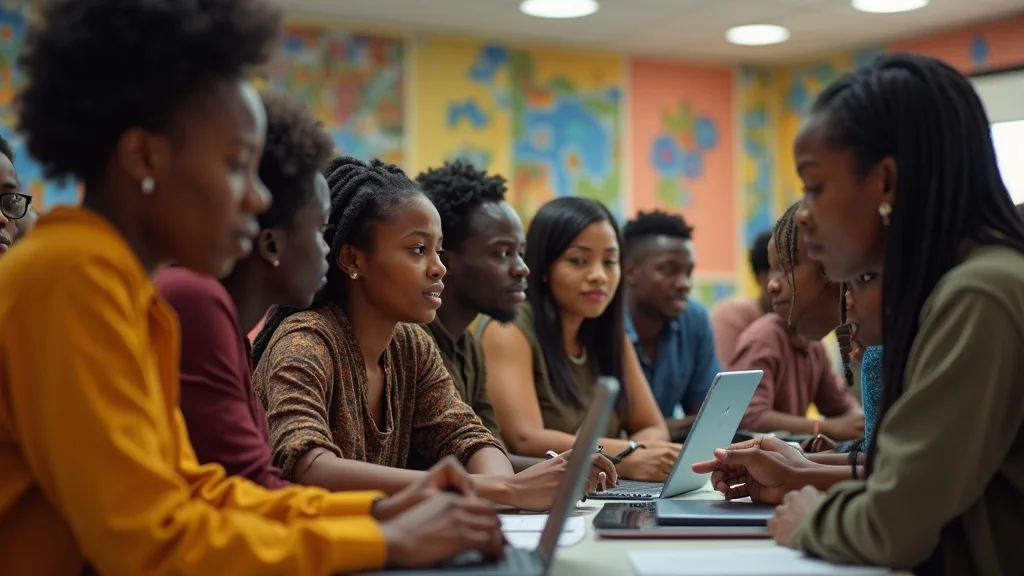
Dynamic African tech community at a digital skills workshop, collaborating on AI-driven projects, representing the growth of the AI ecosystem among African women in business

How AI Can Expand Visibility for African Women Building Online in Local Markets

Across the continent, AI is revolutionizing how women in business engage with their communities and markets. By automating repetitive tasks, offering personalised recommendations, and opening up new communication channels, AI-powered platforms support entrepreneurs as they build their brands both locally and beyond. In local markets, these advancements mean African women can position their businesses competitively without relocating or compromising their cultural identities.

More importantly, AI enables entrepreneurs to tailor their marketing messages for diverse audiences, adapt quickly to changing market trends, and access real-time data for agile decision-making. For many, this has translated into increased brand visibility, better resource management, and an amplified voice in sectors previously inaccessible. It is a journey from digital obscurity to recognition—and the rise of women entrepreneurs signals the broader transformation of the African AI economy.

Women in Business: Overcoming Barriers and Bias with Artificial Intelligence

Often Overlooked: The Nuances in African Women’s Online Stories

What is often overlooked is the sheer diversity of experiences among African women online. These women navigate not only gender biases but structural constraints unique to their countries and communities. Informal work arrangements, limited public services, and social expectations can turn simple digital engagement into a complex journey. The challenge is not just introducing women to digital tools, but recognizing and amplifying their authentic voices within the fast-moving AI ecosystem.

With the increasing reliance on AI systems, issues like data governance and inclusive AI design have come to the fore. If digital infrastructure is not mindful of the specific needs—and stories—of African women, the result risks perpetuating stereotypes rather than dismantling them. By collectively reimagining the role of women in business as creators, storytellers, and innovators, the next phase of Africa’s digital economy will be far richer and more representative.

"African women are redefining digital entrepreneurship, using AI to bridge not just a digital divide, but a visibility divide."

Leveraging AI for Content Creation and Personal Branding

Empowered African woman influencer recording business content using AI tools, illustrating personal branding for African women in business online

How AI-Powered Tools Are Elevating African Women’s Brands Online

The rise of accessible AI-powered content creation has been transformative for African women building a digital presence. By simplifying visual design tasks, generating cultural insights, and optimizing social media scheduling, these tools enable entrepreneurs to focus on their authentic stories. Whether through visually appealing posts on Canva AI or insightful product launches guided by AI-driven analytics, visibility is being turbocharged for women across a spectrum of industries—from fashion in Kenya to education in South Africa.

Key to these advancements is the ability to engage with communities on multiple levels—locally relevant messaging, collaborative knowledge-sharing, and continuous personal growth. As more African women leverage these smart platforms, the power shifts from gatekeepers to genuine creators, embodying not just an increase in visibility but in agency and impact within the digital ecosystem.

  1. Automation of social media scheduling tailored to local communities
  2. AI-generated insights for culturally relevant content
  3. Innovative ways to access mentorship and collaboration

Case Study: African Women in Business Using AI to Build Communities

Across Africa, there are powerful stories of women leveraging AI to carve out connected, self-sustaining online communities. Consider the journey of a Nigerian tech founder who, through AI-enhanced customer outreach, rapidly scaled her digital platform, connecting thousands of women in business with tailored resources and mentorship. A similar narrative emerges from Ghana, where lifestyle coaches and educators use AI tools to create visually compelling campaigns that resonate locally and globally, further closing the visibility gap.

Even in South Africa, where the digital divide once prevented many from accessing vital markets, AI is enabling the rapid production and marketing of high-impact educational content. These stories aren’t anomalies—they’re blueprints for future digital sovereignty and serve as practical proof of how AI can expand visibility for African women building online.

Tables: Comparing AI Tools Empowering African Women Online

AI Tool Key Feature Visibility Benefit African Women User Example
ChatGPT Content Ideation Increases publishing frequency Fashion entrepreneur in Kenya
Canva AI Visual Design Assistance Visually stands out on social feeds Lifestyle coach from Ghana
Lumen5 Video Content Creation Easy video marketing Education advocate in South Africa

People Also Ask About How AI Can Expand Visibility for African Women Building Online

How can African women use AI to gain more recognition online?

African women can use a variety of AI tools—such as ChatGPT for content creation and Canva AI for compelling visuals—to increase their presence and impact. By strategically automating tasks like social media posting and tapping into AI-powered data insights, women in business can share culturally relevant content and connect with wider audiences. Building up a personal and business brand with AI not only drives visibility but sets the stage for greater leadership within the African digital economy.

Are AI-powered platforms culturally sensitive for African women?

AI-powered platforms have progressed, but many are still striving to achieve full cultural sensitivity. The best results are seen when African women lead the adaptation and localization of these AI systems, ensuring that data governance reflects local values and digital sovereignty. Increasing representation in AI governance and encouraging community-driven innovation ensure that technology respects and enhances—not erases—African identities and stories.

Thoughtful African woman analyzing AI platform on laptop, reflecting on cultural sensitivity and impact for African women in business online

What challenges do African women face when building online with AI?

African women often face layered challenges: limited digital infrastructure, lack of affordable and reliable internet, data privacy issues, and existing inequalities in digital skills education. There’s also the risk of algorithmic biases and AI systems designed without sufficient context, leading to reinforced stereotypes or exclusion. Overcoming these requires not just more AI tools, but holistic support—policy, mentorship, and targeted AI strategies that authentically support women in business and honor local realities.

Is AI accessible to grassroots women entrepreneurs in Africa?

Access to AI varies widely across African countries and communities. In urban centres and well-connected regions, digital tools are increasingly mainstream. Grassroots women entrepreneurs, particularly in rural or informal work settings, face greater barriers—including costs, language, and digital literacy. Nevertheless, expansion of cloud infrastructure, open source initiatives, and mobile-first AI solutions are rapidly making these resources more inclusive, helping bridge the digital divide and spotlighting women at every level of the digital economy.

Authenticity and Representation: Ensuring African Narratives Aren’t Lost

Preserving Voice and Identity Through Artificial Intelligence

As AI redefines content generation, there’s a growing awareness of the need to protect and elevate indigenous African stories. If left unchecked, AI algorithms may favour mainstream, globalised narratives at the expense of local authenticity. It’s essential for women in business to maintain creative control and for AI governance to include more African voices and decision-makers within its ranks. Proper data governance and policy design can safeguard the nuances and identities that make African digital storytelling unique.

African women, as podcasters, content creators, and community leaders, are at the forefront of this digital renaissance. By integrating personal stories with AI-powered platforms, they ensure their perspectives are seen, heard, and respected worldwide. This dynamic raises a call for more robust, locally-led digital development, formal recognition of informal work, and tech solutions tailor-made for Africa’s diverse cultures.

Proud African storyteller recording a podcast episode, utilizing AI for authentic content creation and preserving African narratives online

FAQs About How AI Can Expand Visibility for African Women Building Online

  • Which AI tools are best suited for African women building digital businesses?
    Some of the most helpful AI tools are ChatGPT for content, Canva AI for visual assets, Lumen5 for videos, and mobile-based solutions designed for local contexts.
  • How does AI help in breaking stereotypes about African women?
    AI platforms, when thoughtfully implemented, allow women to share authentic African stories, showcase leadership, and push back against one-dimensional narratives by broadening representation in all sectors.
  • What local initiatives support women in business using AI in Africa?
    Numerous grassroots organisations, government-led digital skill programmes, and private incubators support African women through training, mentorship, and AI-driven campaigns adapted to local needs.
  • Does AI perpetuate or reduce biases for African women online?
    While some AI systems may unintentionally reinforce existing inequalities, inclusive data governance and intentional design have the power to reduce bias and open new paths for women in business.
  • How can rural African women use AI for visibility?
    Mobile-friendly AI tools and community-focused platforms, combined with local digital literacy efforts, help rural women bridge the digital divide and establish strong online presences—no matter their location.
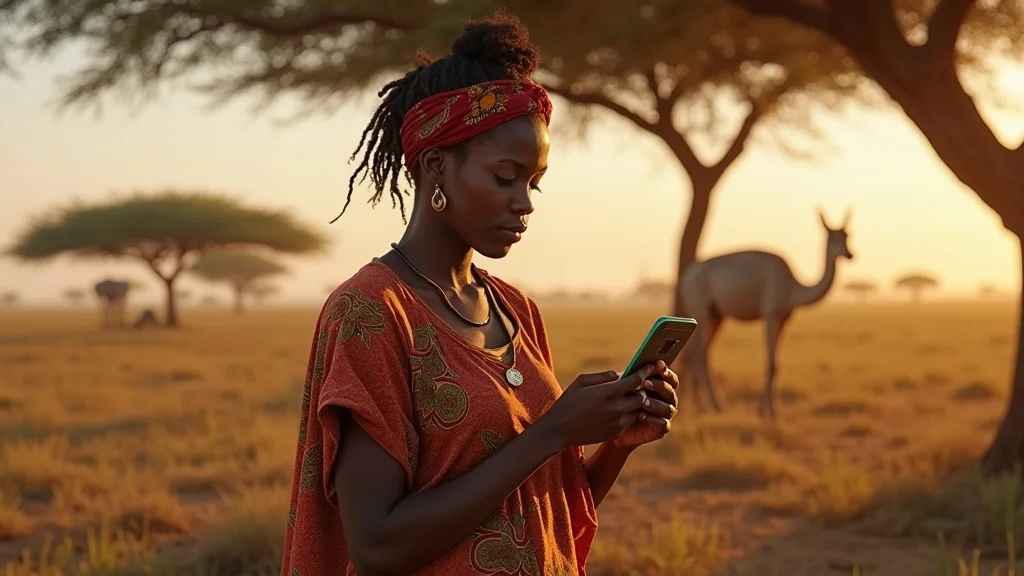
Resourceful rural African woman using a smartphone and solar charger to build her online business with AI-powered tools in a village setting

Key Takeaways on How AI Can Expand Visibility for African Women Building Online

  • AI can amplify authentic African women’s voices online
  • Tech solutions work best when built by and for African women
  • Visibility is a journey shaped by context, culture, and collaboration
  • AI-powered tools are unlocking new pathways for women in business

Take Your Place In The Anthology: Championing African Women’s Online Presence

Every African woman’s story is a vital part of the continent’s digital legacy. Ready to share yours? Take Your Place In The Anthology and be counted among the trailblazers transforming Africa’s AI-powered future.

Conclusion

African women in business are redefining digital spaces with AI as both tool and catalyst. The path forward demands culturally aware technology, equitable access, and resilient communities—fueled by authentic voices.

As you reflect on the transformative power of AI for African women building online, remember that the journey toward digital empowerment is ongoing and collaborative. Exploring broader initiatives and platforms that champion women’s voices can open doors to new partnerships, mentorship, and inspiration. If you’re eager to discover more about the evolving landscape and connect with a wider network of changemakers, visit She Evolves Africa for stories, resources, and opportunities designed to elevate women across the continent. Your next step could be the spark that shapes the future of African women’s digital visibility.


Sources

  • The Rise and Rise of AI: How it Impacts Women in Business
  • Why gender-inclusive AI matters for Africa
  • Could AI technologies be harnessed to break down ...
  • Building AI on African terms
  • AI and Gender in Africa
AI Horizon

0 Views

0 Comments

Write A Comment

*
*
Please complete the captcha to submit your comment.
Related Posts All Posts

Why Women in Africa Need a Bigger Voice in AI

Imagine this: In tech hubs from Lagos to Nairobi, breakthrough AI systems are being built – but too often, the voices shaping these technologies don’t reflect the lived realities of African women. If artificial intelligence will drive Africa’s digital future, who gets to decide what ethical AI looks like? Why women in Africa need a bigger voice in AI is not just a question, but an imperative for meaningful innovation, social equity, and inclusive progress across the continent. Setting the Scene: Why Women in Africa Need a Bigger Voice in AI The surge in artificial intelligence across Africa is transforming industries and societies, promising advances in everything from healthcare to education. Yet, a crucial dimension is missing: the representation of women, especially African women, in AI development, research, and governance. When these technologies reflect the biases of an underrepresented group, they risk reinforcing existing inequities. Thus, ensuring African women have a meaningful say in crafting AI policies is essential for fair, ethical, and effective AI systems. This is not about simply ticking boxes – diversity in AI development leads to better, more innovative technology capable of addressing real challenges unique to the African continent. Across the continent, there are increasing opportunities for women in data science and AI. However, barriers such as gender bias, lack of exposure, limited access to STEM education, and cultural factors persist, limiting the pipeline of female AI developers and leaders. The solution isn’t to import Western narratives – rather, African women must help define what ethical, truly inclusive AI means for Africa, ensuring that homegrown solutions reflect the continent’s unique social, economic, and cultural realities. Observing the Landscape: African Women and Artificial Intelligence African women are entering the field of artificial intelligence with resilience and a passion for impact. While many of their stories have been underreported, a growing number are leading AI research, founding tech startups, and participating in major AI conferences. However, their presence is still far from equal—something that affects not just gender equity, but the effectiveness of AI solutions across Africa. When African women are involved, AI products are more likely to address real community needs, avoid racial and gender bias, and promote human rights and ethics. Despite progress, challenges remain. Women often find themselves excluded from elite engineering teams and AI governance structures, making it difficult to influence the design and deployment of new AI tools. Without concerted efforts to empower them, the danger is a digital divide where African women are consumers—but not creators—of the future’s most powerful technologies. As the movement for gender equity in AI gains momentum, it’s important to recognise the broader landscape of women’s empowerment across Africa. For a deeper look at ongoing initiatives and evolving narratives, you can explore resources like She Evolves Africa, which highlights stories and strategies for uplifting women in technology and beyond. Challenges Unique to Africa: Beyond Western Narratives Unlike in major tech centres like Silicon Valley, African women face distinct hurdles. Resources for STEM education remain limited in rural areas and lower-income communities, and social norms often discourage girls from pursuing data science or engineering. Moreover, international AI policy conversations can be disconnected from local realities—ignoring language diversity, cultural values, and infrastructure gaps across the continent. This lack of contextual nuance means imported technologies and policy frameworks sometimes reinforce, rather than address, existing inequalities. Having African women at the decision-making table in AI governance brings essential perspectives. They understand everyday life in African societies, can spot potential for bias in AI systems, and can advocate for technologies focused on social good over profit. Moving beyond Western-centric narratives means drawing from Africa’s own vast innovation, community resilience, and leadership potential, especially among women. What You'll Learn In This Article How gender bias manifests in artificial intelligence across Africa The importance of ai governance and inclusive ai for African women Opportunities and barriers for African women in data science and ai innovation Ways to address gender inequity in AI from an African perspective Stories of African women leading the way in ethical AI Understanding Why Women in Africa Need a Bigger Voice in AI Gender Bias in Artificial Intelligence: The African Context Gender bias in AI is not a distant concern—it’s present wherever AI is built upon incomplete datasets and narrow perspectives. In Africa, this can mean voice recognition software that fails to understand female or local dialects, health AI products that do not reflect the realities of African women, or recruitment systems that overlook women in technical roles. These gaps don’t just affect fairness—they limit the real-world value of AI systems in sectors like banking, agriculture, and healthcare. Given Africa’s unique social landscape, addressing gender bias in AI is critical. It’s not enough to rely on imported solutions from major tech companies or foreign AI labs. Local context, language, and lived experience matter. By involving more African women in AI research and policymaking, the continent can proactively identify and correct bias in AI algorithms and ensure future AI is truly representative and inclusive for all Africans. The Absence of African Women in AI Governance and Policy AI governance frameworks largely remain male-dominated, especially across Africa’s public, private, and civil society sectors. Without African women at the table, crucial issues—such as gender bias, digital safety, and ethical AI use—may be sidelined in favour of more generic or imported approaches. The result is a disconnect: AI policy is shaped without the experiences or interests of African women and girls in mind. True progress will depend on intentionally building pathways for women to lead AI policymaking, from local community organisations to national councils and multinational AI partnerships. It’s only by ensuring diverse representation that the potential for equitable, responsible, and innovative AI can be fully realised for all African communities. Ethical AI and the Inclusion of Diverse African Perspectives Ethical AI demands a deep understanding of context and consequences. When African women are included in AI innovation and governance, ethical questions are framed in ways that resonate with local realities: Who is being excluded? Whose values are being embedded in important AI systems? What are the implications for human rights, privacy, and community wellbeing? These questions are best answered by those who live the realities every day. African women bring unique perspectives to the design of inclusive AI, translating local languages, anticipating cultural nuances, and ensuring that AI products benefit those most often left behind. Their input is needed not only in developing the technology, but in setting standards, leading policy conversations, and advocating for responsible data use across the continent. African Women: Agents of AI Innovation Data Science in Africa: Opportunities for Women The field of data science in Africa is expanding rapidly, offering new opportunities for women across sectors. From digital health to fintech, African women are stepping forward as data scientists, AI developers, and leading AI innovators. Local universities, nonprofit organizations, and international partnerships are beginning to offer scholarships, mentorship, and training tailored to young women interested in STEM. However, the journey from passion to profession can be fraught with obstacles. Limited resources, lack of visible role models, and restrictive social expectations can all act as barriers. That’s why targeted efforts—like female-led bootcamps, coding clubs, and networking events—are essential for translating enthusiasm into impact. African women’s growing involvement in data science is already yielding solutions uniquely suited to African contexts—from addressing maternal health to climate adaptation—and their continued leadership will drive truly innovative AI for the continent’s future. AI Policy: Inspiring Change with African Women at the Helm AI policy conversations are no longer the sole domain of technocrats or foreign consultants. Today, African women are carving out space as key voices in shaping guidelines for ethical and inclusive AI across the region. When women lead in policy settings, technology is more likely to serve the real needs of entire communities—not only elite or urban populations. Their advocacy ensures that AI governance addresses gender equity, celebrates language diversity, and prioritises the elimination of bias in AI systems that could harm vulnerable groups. Across Africa, we are now seeing examples of women heading up regulatory bodies, forming advocacy networks, and working with civil society to ensure that future AI reflects the values and aspirations of all Africans—especially women and girls. This leadership is not just symbolic; it has tangible impacts on the direction, development, and adoption of AI technologies across the continent. Inclusive AI: Imagining New Solutions for Africa Inclusive AI means designing and deploying technology that is representative, accessible, and grounded in the needs of African communities. African women, as both users and creators, are uniquely positioned to shape this future. Their lived experiences—navigating complex linguistic, cultural, and socio-economic realities—inspire new ideas for making AI more relevant and ethical for all. At its best, inclusive AI leverages the creativity of African women to address authentic, pressing challenges in healthcare, education, agriculture, and finance. By ensuring women are not only consulted but drive the creation of new AI solutions, we unleash a wave of innovation that goes far beyond “fitting in” to global trends. It is about building artificial intelligence by and for Africa, setting new standards for ethical tech innovation worldwide. Addressing Gender Gaps in AI: Steps Forward Encouraging more African women into STEM, data science, and artificial intelligence fields Prioritising ethical AI and the elimination of bias in AI systems Developing ai governance frameworks with representation for African women Showcasing real stories and achievements of African women in AI innovation Why Women in Africa Need a Bigger Voice in AI: Stories & Quotes “African women bring a unique understanding of local realities that can shape more ethical and effective AI solutions for our continent.” “Inclusive AI isn’t just about fairness – it’s about building technologies that truly work for the future of Africa.” Table: Comparing Gender Representation in AI Across Continents Continent Women's Participation in AI (%) Key Challenges Notable Trends Africa Varies widely, often under 25* Access to STEM education, gender bias, limited policy influence Growing grassroots initiatives, female-led AI startups, regional advocacy Europe 25–30* Glass ceiling, workplace discrimination, slower leadership advancement EU-wide gender policies, tech sector diversity drives Asia 10–20* Cultural barriers, male-dominated workplaces, STEM retention rates Rising STEM enrolments, urban tech hubs empowering women * Indicative figures, as comprehensive data is lacking in several regions. Video Feature: Inspiring African Women in Artificial Intelligence Short highlight reel showcasing multiple African women at work in AI, leading labs, attending conferences, and collaborating on digital projects, filmed documentary style with upbeat background music and subtle graphics illustrating key stats. Spotlight on African Women Changing AI Across Africa, stories of women rising to become AI pioneers are multiplying. Whether founding AI research centres, launching nonprofit organizations for STEM education, or influencing AI policy at global forums, these trailblazers challenge stereotypes and inspire future generations. Their work proves that, when given the chance, African women don’t just participate in the tech industry—they lead AI innovation, mentor others, and ensure that new technologies reflect the hopes and dreams of Africa’s diverse communities. Institutions and civil society must prioritise documenting and amplifying these journeys—because every story chips away at the myth that AI is not an arena for African women. Their leadership signals what is possible across the continent, making the case for why women in Africa need a bigger voice in AI, now and in the future. People Also Ask Why does AI use female voice? Answer: AI systems often use female voices due to longstanding social perceptions that associate women’s voices with helpfulness, warmth, and approachability. However, this default can perpetuate gender stereotypes if not thoughtfully considered. In Africa, it’s important to ensure voice technologies are shaped with inclusive AI principles and regional diversity in mind, allowing women to guide future AI design rather than simply being represented passively by a synthetic voice. How is AI affecting Africa? Answer: AI is impacting Africa in transformative ways, revolutionising industries like health, agriculture, and education through smart diagnostics, automated crop monitoring, and virtual classrooms. Yet, challenges remain regarding the fair distribution of AI benefits, potential bias in AI systems, and ensuring that local cultures and priorities shape AI policy and deployment. African women’s involvement is critical for addressing these challenges, building ethical and inclusive tech that truly meets the continent’s needs. What is special about African women? Answer: African women offer a deep understanding of their communities, resilience in the face of societal barriers, and unique perspectives on equity and social progress. Their lived experiences across the continent bring invaluable insight for designing AI that is ethical, effective, and locally relevant. By engaging African women in AI innovation, Africa can set new standards for socially conscious and impactful technology development. Why do we need more women in the AI revolution? Answer: More women are needed in the AI revolution to address gender bias, broaden innovation, and ensure that AI serves all people rather than just a narrow group. When African women are included, AI research, policy, and product development are more likely to reflect diverse needs, values, and solutions, leading to more ethical, fair, and human-centred technologies for society at large. FAQs on Why Women in Africa Need a Bigger Voice in AI What unique perspectives do African women offer in AI innovation? African women bring lived experience with the continent’s languages, cultures, and day-to-day realities, enabling them to identify relevant challenges and ethical issues in AI development. Their input is crucial for building technology that serves wider communities fairly. How can organizations address gender bias in artificial intelligence? Organizations should prioritise hiring and promoting women in technical and leadership roles, fund mentorship and training for women in data science, and include female experts in AI governance and policy formulation to reduce bias in AI systems. What challenges do African women face in data science and AI policy? Common challenges include lack of access to STEM education, societal expectations that hinder tech careers, minimal representation in AI policymaking, and limited visibility as AI leaders. Overcoming these barriers requires intentional support and cultural shift. How can African communities promote inclusive AI? African communities can promote inclusive AI by supporting girls in STEM, advocating for representation in AI governance, collaborating with local organizations to create coding programmes, and celebrating the achievements of women AI trailblazers. Key Insights from Why Women in Africa Need a Bigger Voice in AI Diverse voices are crucial for ethical, effective artificial intelligence in Africa Gender bias and lack of inclusion can lead to flawed AI systems African women must be part of data science, AI policy, and AI governance conversations Looking Forward: The Future of African Women in AI Empowering African Women to Lead Inclusive AI Innovation Empowering African women to lead in AI innovation is the key to creating technology that truly serves Africa’s diverse societies. When women are decisively included in all aspects of the AI journey—from coding and research to policy and entrepreneurship—both the quality of technology and the future of African communities are transformed. Building systems that encourage young women’s participation, celebrate their leadership, and provide mentorship will ensure that the next wave of AI breakthroughs is shaped by African women’s vision. Building Ethical AI for Africa, by Africa For AI to generate lasting positive impact across Africa, it must be shaped by Africans—and especially by African women. This means investing in local talent, supporting ethical standards, and prioritising inclusion at every level of the AI ecosystem. With ethical and inclusive AI, the continent not only addresses local challenges but also becomes a leader in setting the benchmarks for responsible technology internationally. The future AI built by African women will reflect and elevate Africa’s story on the global stage. As you reflect on the importance of amplifying women’s voices in Africa’s AI revolution, consider how broader movements for women’s empowerment are shaping the continent’s future. Exploring platforms such as She Evolves Africa can offer further inspiration and practical insights into how women are driving change not only in technology, but across all spheres of African society. By connecting with these wider narratives, you’ll discover new ways to support, participate in, and champion the next generation of African women leaders—ensuring that the story of AI in Africa is as diverse and dynamic as the continent itself. Your Voice Matters: Take Your Place In The Anthology https://themeridian.africa/pioneer-voices Conclusion: The innovation, leadership, and insight of African women are vital to the continent’s digital future. Every voice adds a new dimension to Africa’s AI story—will yours be next? Sources: The Meridian Africa Pioneer Voices UN Women: The Gender Gap in AI in Africa UNESCO: Artificial Intelligence Needs African Women's Voices Data Science Africa Africa Renewal: African Women Tech Trailblazers

How African Women Entrepreneurs Can Use AI to Build Stronger Digital Businesses

Imagine a vibrant co-working space in Nairobi, Lagos, or Accra where African women sit together, laptops open, sharing ideas and strategically integrating artificial intelligence into their businesses. This dynamic scene is no longer just a vision—it’s a rapidly growing reality. Across Africa, women entrepreneurs are becoming digital powerhouses, not by following western blueprints, but by using AI to solve local challenges, reduce gender bias, and pave the way for true gender equality in business. Setting the Scene: African Women, AI, and Digital Power in the Modern Economy The synergy between African women, AI, and digital power is reshaping the continent’s digital economy. As digital technologies evolve, more women in Africa are seizing new opportunities to help shape their businesses and communities. This is not just about catching up to the rest of the world; it’s about leading with uniquely African perspectives. By leveraging artificial intelligence, women entrepreneurs can disrupt enduring gender biases, create inclusive digital businesses, and build solutions tailored to local realities. The digital economy in Africa is uniquely positioned to benefit from the creativity, resilience, and resourcefulness African women bring to the table. This innovation is happening against a backdrop of persistent global gender gaps, as reported by research centres and the Global Gender Gap Report. Technology gives these women a chance to close these gaps and challenge gender stereotypes found in traditional sectors. The rise of African women in tech is helping to create diverse gender leadership models, thus challenging AI systems that often reflect bias from training data gathered in different (often Western) environments. The result? A more inclusive, responsible AI era, rooted in African values and priorities. Observing the Rise: Women Entrepreneurs Harnessing Artificial Intelligence Across Africa Today, African women are not just passive users of AI—they are creators, innovators, and trailblazers within the digital space. From e-commerce solutions powered by generative AI to data analytics that forecast local market demands, women are at the forefront of change. They are harnessing artificial intelligence to automate operations, connect with wider audiences, and transform legacy businesses. This shift is more than technological; it’s cultural and generational, breaking old barriers and writing a new chapter for gender equality. Women in tech across Africa are building companies that reflect their lived realities and ambitions—companies that uplift families, communities, and the future of work on the continent. Importantly, the presence of more women in AI and digital businesses disrupts gender biases deeply embedded in traditional models. It demonstrates, with real impact, how gender and racial diversity in leadership drives not only social progress but also business performance. Every successful African woman in digital technology is proof that when gender gap challenges are met with digital power, the whole continent benefits. As African women continue to shape the digital landscape, it's worth noting that many are also building supportive online communities and platforms dedicated to their growth and empowerment. For example, initiatives like She Evolves Africa are fostering collaboration and knowledge-sharing among women entrepreneurs, further strengthening the ecosystem for digital business success. What You'll Learn About Women, AI, and Digital Power in African Business How AI empowers women-led ventures in Africa Overcoming gender bias in AI-driven digital spaces Practical steps for women entrepreneurs to integrate artificial intelligence Real stories: African women transforming businesses with digital power Building a supportive ecosystem featuring gender equality and AI governance Why African Women, AI, and Digital Power Matter: Moving Beyond Western Narratives The conversation about women, AI, and digital power in Africa often gets overshadowed by Western-focused narratives that don’t always account for the complexities or the rich, diverse cultural landscape across the continent. African women are driving a new agenda for gender equality in AI, rooted in local context. They use their own lived experiences and cultural strengths to develop AI systems that actually serve African needs—whether that means adapting to diverse languages, reflecting community structures, or providing new entrepreneurial solutions never imagined in Western boardrooms. By moving beyond Western preconceptions, African women are defining what responsible AI looks like from the South. Their approach values local empowerment, sustainable digital technologies, and a balanced blend of traditional knowledge with technological advancement. The future of digital entrepreneurship in Africa isn’t just about importing ideas from around the world; it’s about exporting African models of success. Understanding the African Context: Cultural Nuances and Technological Opportunity To truly appreciate the impact of African women in AI, it’s essential to consider the specific cultural and economic environments in which they operate. Social expectations, access to digital technology, and local business norms all influence how women engage with artificial intelligence. Yet, these challenges also create unique opportunities: African women use AI to automate time-consuming tasks, personalise customer experiences in multiple local languages, and reach customers beyond their immediate circles. Gender equality in tech and business is not simply about closing a gap—it’s about transforming economies to reflect real social diversity and inclusion. With the right digital power, African women aren’t just keeping pace with global gender trends; they’re setting standards for AI governance and ethical AI in ways that work for them and their communities. The Influence of Around the World Perspectives and Local Realities Global narratives and technological blueprints often overlook the ground realities African women face daily. Around the world, major AI research centers may focus on technical innovation, but local African entrepreneurs are focused just as much on practical solutions that address daily life: mobile payments, micro-loans, access to education, digital literacy, and marketplace connectivity. These priorities shape the AI adoption journey and rewrite the standard for the digital economy in Africa. Understanding these nuances means acknowledging that women in Africa are both creators and shapers of future technology. They are helping close the global gender gap, not by mimicking Western businesses but by making AI relevant to their own local aspirations. This approach is what will ultimately define the future trajectory of digital technologies in Africa. The New Digital Power: Artificial Intelligence as a Catalyst for Gender Equality In the African context, artificial intelligence is a powerful engine for advancing gender equality and breaking down persistent digital and societal barriers. When women lead AI projects or implement AI-driven tools in their businesses, they fundamentally shift not just how work is done but who gets to do it. This is reshaping job opportunities and the role of gender in the workplace, moving the continent closer to closing the much-discussed gender gap across STEM, entrepreneurship, and beyond. AI’s ability to process local languages, understand cultural references, and support financial inclusion means it can be adapted to support the unique challenges African women face—in education, agriculture, health, and trade. When combined with a focus on digital power, women-led digital businesses become engines for responsible AI and sustainable social change. Redefining Gender Equality through Artificial Intelligence AI is enabling African women to take leadership roles in shaping the new rules of the digital economy. By integrating artificial intelligence into their business models, these women are actively addressing historic disparities—moving from being consumers to creators and policymakers. Gender equality, in this sense, is not just about numbers; it’s about influence, decision-making, and ownership of digital power. This also involves a conscious effort to build AI systems that avoid the gender and racial biases encoded in older digital technologies. More African women developing AI means more diverse gender perspectives in machine learning, training data, and algorithm design—ultimately resulting in better, fairer products and services for everyone. Addressing Gender Bias in AI Tools and Digital Business One of the biggest challenges in empowering African women in tech is addressing the persistent gender bias in many AI-driven tools. These biases often originate from training data that underrepresents women’s experiences or assumptions about gender roles. African women entrepreneurs are tackling this by advocating for transparent AI governance frameworks and ethical standards. They are driving initiatives to enrich AI training data with stories, images, and voices from across the continent—helping women and girls see themselves reflected in technology, not excluded by it. When women are involved in both the design and deployment of AI systems, they help shape technology to combat deep-rooted gender stereotypes and close the pronounced gender gap in digital business. This responsible AI approach fosters a new generation of women in AI, modelling ethical entrepreneurship for the next cohort of African business leaders. AI Strategies for African Women Entrepreneurs: Foundational Steps Building a successful digital business as an African woman means more than simply adopting technology. It requires strategic planning, partnership, and a mindset geared toward continuous learning. The journey should start with a close study of business needs and thoughtful mapping of how different AI systems can meet those needs. A focus on AI education, ongoing digital literacy, and peer mentorship are foundational to breaking into AI-powered entrepreneurship. Identifying Business Needs and Mapping AI Solutions For women entrepreneurs in Africa, the most effective way to harness AI gender opportunities is to start with a close look at specific business challenges. Whether it’s reaching more customers, automating customer service, analysing sales data, or forecasting inventory, each need can be matched with an AI-driven solution. Many African women use AI-powered chatbots for customer support, machine learning for market analysis, and data science tools to optimise operations within limited budgets. Success comes from mapping out how each AI tool or feature integrates seamlessly with existing workflows. It’s important for women in tech to collaborate with local digital experts, attend AI training sessions, and consult with research institutes or mentors who have experience in identifying scalable solutions. The key to digital power lies in practical, incremental steps—adapting AI systems in ways that align with local context and business vision. Prioritising AI Education and Digital Literacy Digital literacy and AI education are the bedrock of responsible, empowered digital businesses. As more women in Africa seek to enter digital fields, access to relevant training and peer support is critical. Local workshops, e-learning platforms, coding bootcamps, and online mentorship networks are helping close the gender gap in AI knowledge across the continent. ‘AI is not just a global movement; it’s an African women’s movement for digital power and self-determination.’ Continuous learning gives African women the confidence and skills to identify gender bias in AI tools, advocate for gender equality, and help shape the ethics of AI governance across sectors. This commitment to education also helps prepare young women and girls for future opportunities and reduces barriers to entry in tech professions. Real African Women, Real AI Success Stories All across Africa, real women are using AI to transform not just their businesses, but also their communities. Their journeys serve as inspiration and roadmaps for others eager to join the digital revolution. These stories are concrete evidence that AI and digital power can drive real socio-economic progress, provided there’s the will to address barriers like gender bias, limited access to tech, and outdated business norms. Case Study: Women Entrepreneurs Leveraging AI for Impact Consider Fatou, a Senegalese entrepreneur who integrated an AI-powered analytics tool into her retail business. By analysing real-time sales data, she could forecast demand and manage inventory more effectively. In Kenya, Nnena—a digital agriculture pioneer—uses generative AI for precision farming advice and connects small farms to marketplaces more efficiently than ever before. These women faced the same gender stereotypes and access issues their peers did, but digital technology and AI tools gave them the power to break through and change the landscape of local business. Lessons Learned: Sustaining Growth in the Face of Gender Bias The experience of African women in tech reveals some vital lessons: first, that confronting gender and racial barriers is a collective effort requiring continuous advocacy. Second, sustainable digital business growth hinges on finding mentors, participating in local tech communities, and actively shaping the trajectory of AI gender approaches in Africa. Lastly, by making their stories visible, these entrepreneurs help others see a future of work where women occupy central roles in AI development and governance. Comparing Digital Business Growth: Pre- and Post-AI Adoption Among African Women Metric Before AI Adoption After AI Adoption Business Efficiency Manual operations, slow growth Automated tasks, rapid scaling Customer Reach Limited to local walk-ins Expanded access via digital platforms Decision-Making Based on intuition, limited data AI-powered analytics drive strategy Gender Bias Impact Persistent, often unaddressed Active advocacy and bias reduction Overcoming Barriers: Gender Bias and AI Gender Challenges For African women, overcoming gender bias in AI-driven businesses means confronting both technical and societal challenges. These include poorly represented training data, lack of mentorship, and gender stereotypes that can block opportunities. Yet, by supporting gender equality initiatives in tech startups and advocating for localised AI governance, women are driving the evolution of digital technologies across the continent. It requires a multi-level approach: pushing for more women in data science, championing fair access to digital tools, and ensuring that digital technology works for everyone. Through partnership, learning, and persistent advocacy, African women in tech are slowly but steadily closing the global gender gap and reimagining business as a place for gender-positive change. Navigating Gender Equality Initiatives in African Tech Startups Tech startups led by African women are pioneering gender equality initiatives tailored to local realities. Such initiatives include forming women-focused coding networks, launching digital literacy drives in rural areas, and establishing internal policies against gender and racial discrimination in AI and digital systems. Startups often collaborate with local universities, research institutes, and digital communities to help shape forward-thinking policy. This wave of female entrepreneurship nurtures a supportive, inclusive culture—one where diverse gender perspectives are standard, not exceptional. In doing so, these startups challenge the dominance of male-led tech and redefine the rules for business growth, AI ethics, and responsible digital power. AI Governance: Ensuring Fairness, Transparency, and Local Empowerment AI governance is an essential issue for African women entrepreneurs. Effective governance structures, including policies for data protection, transparency, and ethics in AI, are critical for building trust among users and partners. African women leaders are at the forefront of calling for responsible AI development that addresses local concerns—from avoiding algorithmic bias to ensuring AI promotes, not erases, local languages and cultures. By taking an active role in drafting and advocating for AI governance standards, women entrepreneurs help guarantee that technology serves African interests. Fair, transparent use of artificial intelligence is key to unlocking both economic growth and genuine gender equality for African digital businesses. Watch this powerful testimony of AI-driven transformation: A real African businesswoman shares how generative AI, teamwork, and inclusive leadership propelled her company—proving that digital power is built on community and vision. Building Collaborative Networks: Women, AI, and Digital Power Across Africa African women-focused tech communities Partnership opportunities to combat AI gender bias Mentorship and peer support for gender equality The African digital revolution does not happen in isolation. Collaborative networks—both local and pan-African—have become lifelines for knowledge-sharing, resource pooling, and strategic partnership. African women tech communities offer mentorship, workshops, and access to AI tools otherwise unavailable. In these supportive environments, women help shape best practices for digital technologies and collectively combat gender stereotypes. Through partnerships, women connect across borders and build a continent-wide movement for gender equality in AI leadership and business growth. Key Takeaways: Championing Women, AI, and Digital Power in African Business African women can define the future of AI-driven business Gender equality in AI is achievable with persistent advocacy Digital power is about access, inclusion, and sustainability FAQs: Women, AI, and Digital Power How do African women address gender bias in artificial intelligence? African women address gender bias in AI by building and participating in inclusive tech communities, collaborating with researchers to develop culturally relevant AI training data, and advocating for governance frameworks that prioritise fairness and transparency. By taking active roles in the design and oversight of AI systems, they ensure these technologies represent and serve their realities. As a result, AI tools become more equitable and impactful for women across the continent. What practical steps can women entrepreneurs take to start using AI? Women entrepreneurs can start using AI by first identifying core business challenges that could benefit from automation or data insights. Next, they should seek training in digital literacy and AI fundamentals, join mentorship networks, and pilot low-cost AI tools that address customer needs. Attending local tech workshops and tapping into peer support will further ease the process of AI adoption, ensuring successful integration and long-term growth. Are there opportunities for mentorship and shared learning in AI? Yes, numerous mentorship and shared learning opportunities exist for African women in AI. Many African tech hubs and networks offer peer-to-peer guidance, online courses, coding bootcamps, and scholarships. By participating in these initiatives, women can access resources, collaborate on projects, and build supportive professional networks essential for scaling their digital businesses. How does AI governance affect digital business for African women? AI governance directly impacts African women’s digital businesses by shaping rules around ethics, data privacy, and transparency. Proper governance ensures AI tools are fair, locally relevant, and accountable. When women entrepreneurs help design these frameworks, they guarantee that digital technology empowers rather than marginalises diverse gender perspectives within the business landscape. People Also Ask How can African women use AI to overcome gender bias in digital businesses? African women can use AI to overcome gender bias by participating in the development of AI systems, ensuring training data reflects their lived experiences, and using machine learning tools to analyse and address patterns of bias. In addition, they can form coalitions that advocate for gender equality and responsible AI throughout the continent’s digital economy. What role does AI play in advancing gender equality for African entrepreneurs? AI plays a pivotal role by automating tasks, facilitating efficient decision-making, and offering new business models designed around the needs of women entrepreneurs. Through digital power, AI reduces barriers to entry in tech and fosters inclusive business growth, creating more opportunities for women in leadership, innovation, and policy-making. Which digital tools powered by AI are most accessible to women in Africa? The most accessible AI-powered digital tools for African women include chatbots for customer service, cloud-based accounting platforms, data analytics dashboards, and language translation services. These technologies lower costs, support local languages, and offer valuable business insights, making them popular among women-led digital businesses. How can networking and community support help African women build digital businesses with AI? Networking and community support enable knowledge exchange, resource sharing, and collaborative innovation. Participation in women-focused tech communities provides mentorship, access to digital tools, and collective advocacy for gender equality in AI, empowering African women to scale their businesses more effectively. Quote ‘When women in Africa take hold of AI, the world shifts — not just our businesses, but our futures.’ Conclusion: Taking African Women, AI, and Digital Power into the Future African women are redefining what digital power means by integrating AI into their businesses with creativity, resilience, and vision. The journey has only begun—its future depends on continued advocacy, education, and collaboration. It’s time to champion women, AI, and digital power as the keys to a more inclusive African digital economy. If you’re inspired by the progress and potential of African women in digital business, there’s a world of opportunity waiting as the ecosystem continues to evolve. Exploring platforms like She Evolves Africa can connect you with emerging voices, collaborative projects, and the latest initiatives shaping the future of women-led innovation. As digital power and AI become ever more central to entrepreneurship, staying engaged with these broader movements ensures you’re part of a community that’s driving real change. Take the next step—immerse yourself in the stories, resources, and networks that are redefining what’s possible for African women in tech. Take Your Place In The Anthology https://themeridian.africa/pioneer-voices Sources Women, AI, and the Power of Supporting Communities - PMCHarnessing the Power of Artificial Intelligence for Women ...Artificial Intelligence and gender equalityAI Power for Women 45+The Power of Women Led Networks in Shaping AI's FutureMind the Gap – Why AI Needs Women NowWomen in AI (#WAI)Gender, Power, and Artificial Intelligence

Explore How AI Future Technologies Will Transform Society in 100 Years

Update Unleashing the Future: How AI and Emerging Technologies Will Shape the Next Century As we navigate through the 21st century, it's impossible to ignore the dramatic pace of technological advancement. In a recent analysis titled The Tech That Will Define The Next 100 Years, we find ourselves at the brink of monumental shifts in how we live, work, and interact. At the forefront of this revolution is artificial general intelligence (AGI), a development poised to transform every aspect of human cognitive labor. Imagine machines capable of performing tasks faster and more efficiently than any human could—this is not just a glimpse into the future; it’s rapidly becoming our reality.In The Tech That Will Define The Next 100 Years, the discussion dives into groundbreaking technologies shaping our future, exploring key insights that sparked deeper analysis on our end. The Rise of Artificial General Intelligence AGI represents a significant leap from current AI capabilities. While typical AI systems assist humans by enhancing productivity, AGI surpasses this by fully automating complex tasks in medicine, law, software development, and financial analysis. With such vast potential to streamline operations, AGI will significantly reduce the cost of expertise and accelerate scientific research, fundamentally altering industries and professions. Revolutionizing Robotics and Labor The advancements in robotics complemented by embodied AI will redefine the labor landscape. Robots are now being developed to navigate unstructured environments, performing a variety of tasks without the need for extensive programming. By the end of this decade, we could see hundreds of thousands of humanoid robots efficiently operating in both industrial and domestic settings. As Bank of America predicts, by 2060, we could witness the deployment of 3 billion humanoid robots. This shift isn't just incremental; it paves the way for a complete restructuring of economies and labor. Brain-Computer Interfaces: Bridging Mind and Machine The advent of brain-computer interfaces promises to be a revolutionary step in the integration of human thought and digital technology. Currently, this technology enables communication for those suffering from paralysis and other severe conditions. However, as capabilities evolve, we may find ourselves in a future where our thoughts can be directly linked to AI systems, allowing for seamless interaction and enhanced cognitive functions beyond existing biological limitations. Fusion Energy: Powering Tomorrow One of humanity's greatest challenges is securing a sustainable and clean energy source. Fusion energy not only represents a potential solution to climate change and energy scarcity but also addresses the increasing power demands of advancing technologies, including AI. The feasibility of commercial fusion energy could be realized by 2040 or 2050, drastically altering our energy landscape. The Quantum Leap in Computing Quantum computing stands to revolutionize industries with its ability to solve complex problems exponentially faster than classical computers. With breakthroughs in quantum error correction already achieved, the window for leveraging this technology for critical areas such as drug discovery and cryptography is narrowing. As quantum capabilities become more available, the implications for security and operational efficiency are profound. Genetic Engineering: Changing the Fabric of Life Genetic engineering and life extension offer unprecedented possibilities for health and longevity. Technologies such as CRISPR are already changing the landscape by allowing for precise alterations to the human genome. Imagine a world where genetic diseases are virtually eliminated and human aging is significantly delayed—transformative changes that extend beyond medicine into societal norms and economic structures. Space Colonization: The Final Frontier As we aim for the stars, technologies that facilitate space colonization will dramatically change our resource management. With companies like SpaceX reducing launch costs significantly, the prospect of mining asteroids and establishing colonies on Mars is no longer science fiction. The implications for resources may alleviate Earth-bound constraints, establishing a new era of human exploration and settlement. Ethical Considerations in the Age of Autonomous Technology The introduction of autonomous weapons and AI-driven conflict raises urgent ethical questions. As militaries around the world deploy these technologies, the speed at which they evolve outpaces the discussions surrounding their governance. Striking a balance between innovation and ethical responsibility is imperative if we are to navigate the complex landscape of AI in warfare. With potential benefits spanning across sectors, understanding how these technologies intersect is critical. They not only define our future but also challenge our perceptions of autonomy, security, and morality. As we brace ourselves for these changes, it is essential to engage in thoughtful dialogue and decision-making regarding the implementation of these revolutionary advancements. To keep abreast of the latest insights, discoveries, and future trends in technology, don’t forget to visit Future Business Tech and subscribe!

AI Africa Digital News Nexus

AI is reshaping Africa’s future, and staying informed is essential. Subscribe to updates from leading AI thought leaders, research centers, African tech news platforms, and digital transformation initiatives to stay ahead of the curve. The AI revolution is here. Africa is not just participating; it is leading the way..

COMPANY

  • Privacy Policy
  • Terms of Use
  • Advertise
  • Contact Us
  • Menu 5
  • Menu 6

650-980-9020

Available From 8AM - 5PM

City, State

6749 S. Westnedge Avenue, Portage, MI 49002


Serving Africa & Diaspora Tech Enthusiasts And Educators

ABOUT US

Across Africa, innovative platforms are emerging as beacons of progress.
The ai revolution is paving the way for solutions that transcend traditional news delivery. With tools that seamlessly integrate ai, the continent is moving toward an era of enhanced transparency and efficiency. AI Africa News embodies a vision where each story we add reflects the broader aims to change outdated narratives and promote connectivity.

© 2025 AI AFRICA NEWS MEDIA SOLUTIONS All Rights Reserved. 6749 S. Westnedge Avenue, Portage, MI 49002 . Contact Us . Terms of Service . Privacy Policy

eyJjb21wYW55IjoiQUkgQUZSSUNBIE5FV1MgTUVESUEgU09MVVRJT05TIiwiYWRkcmVzcyI6IjY3NDkgUy4gV2VzdG5lZGdlIEF2ZW51ZSIsImNpdHkiOiJQb3J0YWdlIiwic3RhdGUiOiJNSSIsInppcCI6IjQ5MDAyIiwiZW1haWwiOiJtYWplc3RpY21lZGlhc29sdXRpb25AZ21haWwuY29tIiwidG9zIjoiUEhBK1BITjBjbTl1Wno0OFpXMCtWMmhsYmlCNWIzVWdjMmxuYmkxcGJpQjNhWFJvSUhWekxDQjViM1VnWVhKbElHZHBkbWx1WnladVluTndPeUI1YjNWeUlIQmxjbTFwYzNOcGIyNGdZVzVrSUdOdmJuTmxiblFnZEc4Z2MyVnVaQ0I1YjNVZ1pXMWhhV3dnWVc1a0wyOXlJRk5OVXlCMFpYaDBJRzFsYzNOaFoyVnpMaUJDZVNCamFHVmphMmx1WnlCMGFHVWdWR1Z5YlhNZ1lXNWtJRU52Ym1ScGRHbHZibk1nWW05NElHRnVaQ0JpZVNCemFXZHVhVzVuSUdsdUlIbHZkU0JoZFhSdmJXRjBhV05oYkd4NUlHTnZibVpwY20wZ2RHaGhkQ0I1YjNVZ1lXTmpaWEIwSUdGc2JDQjBaWEp0Y3lCcGJpQjBhR2x6SUdGbmNtVmxiV1Z1ZEM0OEwyVnRQand2YzNSeWIyNW5Qand2Y0Q0S0NqeHdQanhoSUdoeVpXWTlJbWgwZEhBNkx5OTNkM2N1WjI5dloyeGxMbU52YlNJK2FIUjBjRG92TDNkM2R5NW5iMjluYkdVdVkyOXRQQzloUGp3dmNENEtDanh3UGladVluTndPend2Y0Q0S0NqeHdQanh6ZEhKdmJtYytVMFZTVmtsRFJUd3ZjM1J5YjI1blBqd3ZjRDRLQ2p4d1BsZGxJSEJ5YjNacFpHVWdZU0J6WlhKMmFXTmxJSFJvWVhRZ1kzVnljbVZ1ZEd4NUlHRnNiRzkzY3lCNWIzVWdkRzhnY21WalpXbDJaU0J5WlhGMVpYTjBjeUJtYjNJZ1ptVmxaR0poWTJzc0lHTnZiWEJoYm5rZ2FXNW1iM0p0WVhScGIyNHNJSEJ5YjIxdmRHbHZibUZzSUdsdVptOXliV0YwYVc5dUxDQmpiMjF3WVc1NUlHRnNaWEowY3l3Z1kyOTFjRzl1Y3l3Z1pHbHpZMjkxYm5SeklHRnVaQ0J2ZEdobGNpQnViM1JwWm1sallYUnBiMjV6SUhSdklIbHZkWElnWlcxaGFXd2dZV1JrY21WemN5QmhibVF2YjNJZ1kyVnNiSFZzWVhJZ2NHaHZibVVnYjNJZ1pHVjJhV05sTGlCWmIzVWdkVzVrWlhKemRHRnVaQ0JoYm1RZ1lXZHlaV1VnZEdoaGRDQjBhR1VnVTJWeWRtbGpaU0JwY3lCd2NtOTJhV1JsWkNBbWNYVnZkRHRCVXkxSlV5WnhkVzkwT3lCaGJtUWdkR2hoZENCM1pTQmhjM04xYldVZ2JtOGdjbVZ6Y0c5dWMybGlhV3hwZEhrZ1ptOXlJSFJvWlNCMGFXMWxiR2x1WlhOekxDQmtaV3hsZEdsdmJpd2diV2x6TFdSbGJHbDJaWEo1SUc5eUlHWmhhV3gxY21VZ2RHOGdjM1J2Y21VZ1lXNTVJSFZ6WlhJZ1kyOXRiWFZ1YVdOaGRHbHZibk1nYjNJZ2NHVnljMjl1WVd4cGVtRjBhVzl1SUhObGRIUnBibWR6TGp3dmNENEtDanh3UGxsdmRTQmhjbVVnY21WemNHOXVjMmxpYkdVZ1ptOXlJRzlpZEdGcGJtbHVaeUJoWTJObGMzTWdkRzhnZEdobElGTmxjblpwWTJVZ1lXNWtJSFJvWVhRZ1lXTmpaWE56SUcxaGVTQnBiblp2YkhabElIUm9hWEprSUhCaGNuUjVJR1psWlhNZ0tITjFZMmdnWVhNZ1UwMVRJSFJsZUhRZ2JXVnpjMkZuWlhNc0lFbHVkR1Z5Ym1WMElITmxjblpwWTJVZ2NISnZkbWxrWlhJZ2IzSWdZMlZzYkhWc1lYSWdZV2x5ZEdsdFpTQmphR0Z5WjJWektTNGdXVzkxSUdGeVpTQnlaWE53YjI1emFXSnNaU0JtYjNJZ2RHaHZjMlVnWm1WbGN5d2dhVzVqYkhWa2FXNW5JSFJvYjNObElHWmxaWE1nWVhOemIyTnBZWFJsWkNCM2FYUm9JSFJvWlNCa2FYTndiR0Y1SUc5eUlHUmxiR2wyWlhKNUlHOW1JR1ZoWTJnZ1UwMVRJSFJsZUhRZ2JXVnpjMkZuWlNCelpXNTBJSFJ2SUhsdmRTQmllU0IxY3k0Z1NXNGdZV1JrYVhScGIyNHNJSGx2ZFNCdGRYTjBJSEJ5YjNacFpHVWdZVzVrSUdGeVpTQnlaWE53YjI1emFXSnNaU0JtYjNJZ1lXeHNJR1Z4ZFdsd2JXVnVkQ0J1WldObGMzTmhjbmtnZEc4Z1lXTmpaWE56SUhSb1pTQlRaWEoyYVdObElHRnVaQ0J5WldObGFYWmxJSFJvWlNCVFRWTWdkR1Y0ZENCdFpYTnpZV2RsY3k0Z1YyVWdaRzhnYm05MElHTm9ZWEpuWlNCaGJua2dabVZsY3lCbWIzSWdaR1ZzYVhabGNua2diMllnWlcxaGFXd2diM0lnVTAxVExpQlVhR2x6SUdseklHRWdabkpsWlNCelpYSjJhV05sSUhCeWIzWnBaR1ZrSUdKNUlIVnpMaUJJYjNkbGRtVnlMQ0J3YkdWaGMyVWdZMmhsWTJzZ2QybDBhQ0I1YjNWeUlHbHVkR1Z5Ym1WMElITmxjblpwWTJVZ2NISnZkbWxrWlhJZ1lXNWtJR05sYkd4MWJHRnlJR05oY25KcFpYSWdabTl5SUdGdWVTQmphR0Z5WjJWeklIUm9ZWFFnYldGNUlHbHVZM1Z5SUdGeklHRWdjbVZ6ZFd4MElHWnliMjBnY21WalpXbDJhVzVuSUdWdFlXbHNJR0Z1WkNCVFRWTWdkR1Y0ZENCdFpYTnpZV2RsY3lCMGFHRjBJSGRsSUdSbGJHbDJaWElnZFhCdmJpQjViM1Z5SUc5d2RDMXBiaUJoYm1RZ2NtVm5hWE4wY21GMGFXOXVJSGRwZEdnZ2IzVnlJR1Z0WVdsc0lHRnVaQ0JUVFZNZ2MyVnlkbWxqWlhNdUlGbHZkU0JqWVc0Z1kyRnVZMlZzSUdGMElHRnVlU0IwYVcxbExpQktkWE4wSUhSbGVIUWdKbkYxYjNRN1UxUlBVQ1p4ZFc5ME95QjBieVp1WW5Od096eG9hV2RvYkdsbmFIUWdZMnhoYzNNOUltTnZiWEJoYm5sVFRWTlFhRzl1WlZWd1pHRjBaU0krYm5Wc2JEd3ZhR2xuYUd4cFoyaDBQaTRnUVdaMFpYSWdlVzkxSUhObGJtUWdkR2hsSUZOTlV5QnRaWE56WVdkbElDWnhkVzkwTzFOVVQxQW1jWFZ2ZERzZ2RHOGdkWE1zSUhkbElIZHBiR3dnYzJWdVpDQjViM1VnWVc0Z1UwMVRJRzFsYzNOaFoyVWdkRzhnWTI5dVptbHliU0IwYUdGMElIbHZkU0JvWVhabElHSmxaVzRnZFc1emRXSnpZM0pwWW1Wa0xpQkJablJsY2lCMGFHbHpMQ0I1YjNVZ2QybHNiQ0J1YnlCc2IyNW5aWElnY21WalpXbDJaU0JUVFZNZ2JXVnpjMkZuWlhNZ1puSnZiU0IxY3k0OEwzQStDZ284Y0Q0OGMzUnliMjVuUGxsUFZWSWdVa1ZIU1ZOVVVrRlVTVTlPSUU5Q1RFbEhRVlJKVDA1VFBDOXpkSEp2Ym1jK1BDOXdQZ29LUEhBK1NXNGdZMjl1YzJsa1pYSmhkR2x2YmlCdlppQjViM1Z5SUhWelpTQnZaaUIwYUdVZ1UyVnlkbWxqWlN3Z2VXOTFJR0ZuY21WbElIUnZPand2Y0Q0S0NqeHZiRDRLQ1R4c2FUNXdjbTkyYVdSbElIUnlkV1VzSUdGalkzVnlZWFJsTENCamRYSnlaVzUwSUdGdVpDQmpiMjF3YkdWMFpTQnBibVp2Y20xaGRHbHZiaUJoWW05MWRDQjViM1Z5YzJWc1ppQmhjeUJ3Y205dGNIUmxaQ0JpZVNCMGFHVWdVMlZ5ZG1salpTWWpNems3Y3lCeVpXZHBjM1J5WVhScGIyNGdabTl5YlNBb2MzVmphQ0JwYm1admNtMWhkR2x2YmlCaVpXbHVaeUIwYUdVZ0puRjFiM1E3VW1WbmFYTjBjbUYwYVc5dUlFUmhkR0VtY1hWdmREc3BJR0Z1WkR3dmJHaytDZ2s4YkdrK2JXRnBiblJoYVc0Z1lXNWtJSEJ5YjIxd2RHeDVJSFZ3WkdGMFpTQjBhR1VnVW1WbmFYTjBjbUYwYVc5dUlFUmhkR0VnZEc4Z2EyVmxjQ0JwZENCMGNuVmxMQ0JoWTJOMWNtRjBaU3dnWTNWeWNtVnVkQ0JoYm1RZ1kyOXRjR3hsZEdVdUlFbG1JSGx2ZFNCd2NtOTJhV1JsSUdGdWVTQnBibVp2Y20xaGRHbHZiaUIwYUdGMElHbHpJSFZ1ZEhKMVpTd2dhVzVoWTJOMWNtRjBaU3dnYm05MElHTjFjbkpsYm5RZ2IzSWdhVzVqYjIxd2JHVjBaU3dnYjNJZ2QyVWdhR0YyWlNCeVpXRnpiMjVoWW14bElHZHliM1Z1WkhNZ2RHOGdjM1Z6Y0dWamRDQjBhR0YwSUhOMVkyZ2dhVzVtYjNKdFlYUnBiMjRnYVhNZ2RXNTBjblZsTENCcGJtRmpZM1Z5WVhSbExDQnViM1FnWTNWeWNtVnVkQ0J2Y2lCcGJtTnZiWEJzWlhSbExDQjNaU0JvWVhabElIUm9aU0J5YVdkb2RDQjBieUJ6ZFhOd1pXNWtJRzl5SUR4emRISnZibWMrUEhOd1lXNGdjM1I1YkdVOUltTnZiRzl5T2lOR1JqQXdNREE3SWo1MFpYSnRhVzVoZEdVZ2VXOTFjaUJoWTJOdmRXNTBMM0J5YjJacGJHVWdZVzVrSUhKbFpuVnpaU0JoYm5rZ1lXNWtJR0ZzYkNCamRYSnlaVzUwSUc5eUlHWjFkSFZ5WlNCMWMyVWdiMllnZEdobElGTmxjblpwWTJVZ0tHOXlJR0Z1ZVNCd2IzSjBhVzl1SUhSb1pYSmxiMllwTGp3dmMzQmhiajQ4TDNOMGNtOXVaejQ4TDJ4cFBnbzhMMjlzUGdvS1BIQStKbTVpYzNBN1BDOXdQZ284YUdsbmFHeHBaMmgwSUdOc1lYTnpQU0pqYjIxd1lXNTVUbUZ0WlZWd1pHRjBaU0krUVVrZ1FVWlNTVU5CSUU1RlYxTWdUVVZFU1VFZ1UwOU1WVlJKVDA1VFBDOW9hV2RvYkdsbmFIUStQR0p5SUM4K0NqeG9hV2RvYkdsbmFIUWdZMnhoYzNNOUltTnZiWEJoYm5sQlpHUnlaWE56VlhCa1lYUmxJajQyTnpRNUlGTXVJRmRsYzNSdVpXUm5aU0JCZG1WdWRXVXNJRkJ2Y25SaFoyVXNJRTFKSURRNU1EQXlQQzlvYVdkb2JHbG5hSFErUEdKeUlDOCtDanhvYVdkb2JHbG5hSFFnWTJ4aGMzTTlJbU52YlhCaGJubFFhRzl1WlZWd1pHRjBaU0krTmpVd0xUazRNQzA1TURJd1BDOW9hV2RvYkdsbmFIUStQR0p5SUM4K0NqeG9hV2RvYkdsbmFIUWdZMnhoYzNNOUltTnZiWEJoYm5sRmJXRnBiRlZ3WkdGMFpTSStiV0ZxWlhOMGFXTnRaV1JwWVhOdmJIVjBhVzl1UUdkdFlXbHNMbU52YlR3dmFHbG5hR3hwWjJoMFBnPT0iLCJwcml2YWN5IjoiUEhBK1BITjBjbTl1Wno1UVVrbFdRVU5aUEM5emRISnZibWMrUEM5d1Bnb0tQSEErUEhOMGNtOXVaejVVYUdVZ2FXNW1iM0p0WVhScGIyNGdjSEp2ZG1sa1pXUWdaSFZ5YVc1bklIUm9hWE1nY21WbmFYTjBjbUYwYVc5dUlHbHpJR3RsY0hRZ2NISnBkbUYwWlNCaGJtUWdZMjl1Wm1sa1pXNTBhV0ZzTENCaGJtUWdkMmxzYkNCdVpYWmxjaUJpWlNCa2FYTjBjbWxpZFhSbFpDd2dZMjl3YVdWa0xDQnpiMnhrTENCMGNtRmtaV1FnYjNJZ2NHOXpkR1ZrSUdsdUlHRnVlU0IzWVhrc0lITm9ZWEJsSUc5eUlHWnZjbTB1SUZSb2FYTWdhWE1nYjNWeUlHZDFZWEpoYm5SbFpTNDhMM04wY205dVp6NDhMM0ErQ2dvOGNENDhjM1J5YjI1blBrbE9SRVZOVGtsVVdUd3ZjM1J5YjI1blBqd3ZjRDRLQ2p4d1BqeGxiVDVaYjNVZ1lXZHlaV1VnZEc4Z2FXNWtaVzF1YVdaNUlHRnVaQ0JvYjJ4a0lIVnpMQ0JoYm1RZ2FYUnpJSE4xWW5OcFpHbGhjbWxsY3l3Z1lXWm1hV3hwWVhSbGN5d2diMlptYVdObGNuTXNJR0ZuWlc1MGN5d2dZMjh0WW5KaGJtUmxjbk1nYjNJZ2IzUm9aWElnY0dGeWRHNWxjbk1zSUdGdVpDQmxiWEJzYjNsbFpYTXNJR2hoY20xc1pYTnpJR1p5YjIwZ1lXNTVJR05zWVdsdElHOXlJR1JsYldGdVpDd2dhVzVqYkhWa2FXNW5JSEpsWVhOdmJtRmliR1VnWVhSMGIzSnVaWGx6SmlNek9Uc2dabVZsY3l3Z2JXRmtaU0JpZVNCaGJua2dkR2hwY21RZ2NHRnlkSGtnWkhWbElIUnZJRzl5SUdGeWFYTnBibWNnYjNWMElHOW1JRU52Ym5SbGJuUWdlVzkxSUhKbFkyVnBkbVVzSUhOMVltMXBkQ3dnY21Wd2JIa3NJSEJ2YzNRc0lIUnlZVzV6YldsMElHOXlJRzFoYTJVZ1lYWmhhV3hoWW14bElIUm9jbTkxWjJnZ2RHaGxJRk5sY25acFkyVXNJSGx2ZFhJZ2RYTmxJRzltSUhSb1pTQlRaWEoyYVdObExDQjViM1Z5SUdOdmJtNWxZM1JwYjI0Z2RHOGdkR2hsSUZObGNuWnBZMlVzSUhsdmRYSWdkbWx2YkdGMGFXOXVJRzltSUhSb1pTQlVUMU1zSUc5eUlIbHZkWElnZG1sdmJHRjBhVzl1SUc5bUlHRnVlU0J5YVdkb2RITWdiMllnWVc1dmRHaGxjaTQ4TDJWdFBqd3ZjRDRLQ2p4d1BqeHpkSEp2Ym1jK1JFbFRRMHhCU1UxRlVpQlBSaUJYUVZKU1FVNVVTVVZUUEM5emRISnZibWMrUEM5d1Bnb0tQSEErUEhOMGNtOXVaejVaVDFVZ1JWaFFVa1ZUVTB4WklGVk9SRVZTVTFSQlRrUWdRVTVFSUVGSFVrVkZJRlJJUVZRNlBDOXpkSEp2Ym1jK1BDOXdQZ29LUEc5c1Bnb0pQR3hwUGxsUFZWSWdWVk5GSUU5R0lGUklSU0JUUlZKV1NVTkZJRWxUSUVGVUlGbFBWVklnVTA5TVJTQlNTVk5MTGlCVVNFVWdVMFZTVmtsRFJTQkpVeUJRVWs5V1NVUkZSQ0JQVGlCQlRpQW1jWFZ2ZER0QlV5QkpVeVp4ZFc5ME95QkJUa1FnSm5GMWIzUTdRVk1nUVZaQlNVeEJRa3hGSm5GMWIzUTdJRUpCVTBsVExpQXNMaUJCVGtRZ1ZWTXNJRWxVSmlNek9UdFRJRU5WVTFSUFRVVlNVeXdnUlZoUVVrVlRVMHhaSUVSSlUwTk1RVWxOVXlCQlRFd2dWMEZTVWtGT1ZFbEZVeUJQUmlCQlRsa2dTMGxPUkN3Z1YwaEZWRWhGVWlCRldGQlNSVk5USUU5U0lFbE5VRXhKUlVRc0lFbE9RMHhWUkVsT1J5d2dRbFZVSUU1UFZDQk1TVTFKVkVWRUlGUlBJRlJJUlNCSlRWQk1TVVZFSUZkQlVsSkJUbFJKUlZNZ1QwWWdUVVZTUTBoQlRsUkJRa2xNU1ZSWkxDQkdTVlJPUlZOVElFWlBVaUJCSUZCQlVsUkpRMVZNUVZJZ1VGVlNVRTlUUlNCQlRrUWdUazlPTFVsT1JsSkpUa2RGVFVWT1ZDNDhMMnhwUGdvSlBHeHBQazFCUzBWVElFNVBJRmRCVWxKQlRsUlpJRlJJUVZRZ0tHa3BJRlJJUlNCVFJWSldTVU5GSUZkSlRFd2dUVVZGVkNCWlQxVlNJRkpGVVZWSlVrVk5SVTVVVXl3Z0tHbHBLU0JVU0VVZ1UwVlNWa2xEUlNCWFNVeE1JRUpGSUZWT1NVNVVSVkpTVlZCVVJVUXNJRlJKVFVWTVdTd2dVMFZEVlZKRkxDQlBVaUJGVWxKUFVpMUdVa1ZGTENBb2FXbHBLU0JVU0VVZ1VrVlRWVXhVVXlCVVNFRlVJRTFCV1NCQ1JTQlBRbFJCU1U1RlJDQkdVazlOSUZSSVJTQlZVMFVnVDBZZ1ZFaEZJRk5GVWxaSlEwVWdWMGxNVENCQ1JTQkJRME5WVWtGVVJTQlBVaUJTUlV4SlFVSk1SU3dnUVU1RUlDaHBkaWtnUVU1WklFVlNVazlTVXlCSlRpQlVTRVVnVTA5R1ZGZEJVa1VnVjBsTVRDQkNSU0JEVDFKU1JVTlVSVVF1UEM5c2FUNEtDVHhzYVQ1QlRsa2dUVUZVUlZKSlFVd2dSRTlYVGt4UFFVUkZSQ0JQVWlCUFZFaEZVbGRKVTBVZ1QwSlVRVWxPUlVRZ1ZFaFNUMVZIU0NCVVNFVWdWVk5GSUU5R0lGUklSU0JUUlZKV1NVTkZJRWxUSUVSUFRrVWdRVlFnV1U5VlVpQlBWMDRnUkVsVFExSkZWRWxQVGlCQlRrUWdVa2xUU3lCQlRrUWdWRWhCVkNCWlQxVWdWMGxNVENCQ1JTQlRUMHhGVEZrZ1VrVlRVRTlPVTBsQ1RFVWdSazlTSUVGT1dTQkVRVTFCUjBVZ1ZFOGdXVTlWVWlCRFQwMVFWVlJGVWlCVFdWTlVSVTBnVDFJZ1RFOVRVeUJQUmlCRVFWUkJJRlJJUVZRZ1VrVlRWVXhVVXlCR1VrOU5JRlJJUlNCRVQxZE9URTlCUkNCUFJpQkJUbGtnVTFWRFNDQk5RVlJGVWtsQlRDNDhMMnhwUGdvSlBHeHBQazVQSUVGRVZrbERSU0JQVWlCSlRrWlBVazFCVkVsUFRpd2dWMGhGVkVoRlVpQlBVa0ZNSUU5U0lGZFNTVlJVUlU0c0lFOUNWRUZKVGtWRUlFSlpJRmxQVlNCR1VrOU5JRTlTSUZSSVVrOVZSMGdnVDFJZ1JsSlBUU0JVU0VVZ1UwVlNWa2xEUlNCVFNFRk1UQ0JEVWtWQlZFVWdRVTVaSUZkQlVsSkJUbFJaSUU1UFZDQkZXRkJTUlZOVFRGa2dVMVJCVkVWRUlFbE9JRlJJUlNCVVQxTXVQQzlzYVQ0S1BDOXZiRDRLQ2p4d1BqeHpkSEp2Ym1jK1RFbE5TVlJCVkVsUFRpQlBSaUJNU1VGQ1NVeEpWRms4TDNOMGNtOXVaejQ4TDNBK0NnbzhjRDVaVDFVZ1JWaFFVa1ZUVTB4WklGVk9SRVZTVTFSQlRrUWdRVTVFSUVGSFVrVkZJRlJJUVZRZ1FVNUVJRk5JUVV4TUlFNVBWQ0JDUlNCTVNVRkNURVVnUms5U0lFRk9XU0JFU1ZKRlExUXNJRWxPUkVsU1JVTlVMQ0JKVGtOSlJFVk9WRUZNTENCVFVFVkRTVUZNTENCRFQwNVRSVkZWUlU1VVNVRk1JRTlTSUVWWVJVMVFURUZTV1NCRVFVMUJSMFZUTENCSlRrTk1WVVJKVGtjZ1FsVlVJRTVQVkNCTVNVMUpWRVZFSUZSUExDQkVRVTFCUjBWVElFWlBVaUJNVDFOVElFOUdJRkJTVDBaSlZGTXNJRWRQVDBSWFNVeE1MQ0JWVTBVc0lFUkJWRUVnVDFJZ1QxUklSVklnU1U1VVFVNUhTVUpNUlNCTVQxTlRSVk1nS0VWV1JVNGdTVVlnU0VGVElFSkZSVTRnUVVSV1NWTkZSQ0JQUmlCVVNFVWdVRTlUVTBsQ1NVeEpWRmtnVDBZZ1UxVkRTQ0JFUVUxQlIwVlRLU3dnVWtWVFZVeFVTVTVISUVaU1QwMDZQQzl3UGdvS1BHOXNQZ29KUEd4cFBsUklSU0JWVTBVZ1QxSWdWRWhGSUVsT1FVSkpURWxVV1NCVVR5QlZVMFVnVkVoRklGTkZVbFpKUTBVN1BDOXNhVDRLQ1R4c2FUNVVTRVVnUTA5VFZDQlBSaUJRVWs5RFZWSkZUVVZPVkNCUFJpQlRWVUpUVkVsVVZWUkZJRWRQVDBSVElFRk9SQ0JUUlZKV1NVTkZVeUJTUlZOVlRGUkpUa2NnUmxKUFRTQkJUbGtnUjA5UFJGTXNJRVJCVkVFc0lFbE9SazlTVFVGVVNVOU9JRTlTSUZORlVsWkpRMFZUSUZCVlVrTklRVk5GUkNCUFVpQlBRbFJCU1U1RlJDQlBVaUJOUlZOVFFVZEZVeUJTUlVORlNWWkZSQ0JQVWlCVVVrRk9VMEZEVkVsUFRsTWdSVTVVUlZKRlJDQkpUbFJQSUZSSVVrOVZSMGdnVDFJZ1JsSlBUU0JVU0VVZ1UwVlNWa2xEUlRzOEwyeHBQZ29KUEd4cFBsVk9RVlZVU0U5U1NWcEZSQ0JCUTBORlUxTWdWRThnVDFJZ1FVeFVSVkpCVkVsUFRpQlBSaUJaVDFWU0lGUlNRVTVUVFVsVFUwbFBUbE1nVDFJZ1JFRlVRVHM4TDJ4cFBnb0pQR3hwUGxOVVFWUkZUVVZPVkZNZ1QxSWdRMDlPUkZWRFZDQlBSaUJCVGxrZ1ZFaEpVa1FnVUVGU1ZGa2dUMDRnVkVoRklGTkZVbFpKUTBVN0lFOVNQQzlzYVQ0S0NUeHNhVDVCVGxrZ1QxUklSVklnVFVGVVZFVlNJRkpGVEVGVVNVNUhJRlJQSUZSSVJTQlRSVkpXU1VORkxqd3ZiR2srQ2p3dmIydytDZ284Y0Q0OGRUNUNlU0J5WldkcGMzUmxjbWx1WnlCaGJtUWdjM1ZpYzJOeWFXSnBibWNnZEc4Z2IzVnlJR1Z0WVdsc0lHRnVaQ0JUVFZNZ2MyVnlkbWxqWlN3Z1lua2diM0IwTFdsdUxDQnZibXhwYm1VZ2NtVm5hWE4wY21GMGFXOXVJRzl5SUdKNUlHWnBiR3hwYm1jZ2IzVjBJR0VnWTJGeVpDd2dKbkYxYjNRN2VXOTFJR0ZuY21WbElIUnZJSFJvWlhObElGUkZVazFUSUU5R0lGTkZVbFpKUTBVbWNYVnZkRHNnWVc1a0lIbHZkU0JoWTJ0dWIzZHNaV1JuWlNCaGJtUWdkVzVrWlhKemRHRnVaQ0IwYUdVZ1lXSnZkbVVnZEdWeWJYTWdiMllnYzJWeWRtbGpaU0J2ZFhSc2FXNWxaQ0JoYm1RZ1pHVjBZV2xzWldRZ1ptOXlJSGx2ZFNCMGIyUmhlUzQ4TDNVK1BDOXdQZ29LUEhBK0ptNWljM0E3UEM5d1BnbzhhR2xuYUd4cFoyaDBJR05zWVhOelBTSmpiMjF3WVc1NVRtRnRaVlZ3WkdGMFpTSStRVWtnUVVaU1NVTkJJRTVGVjFNZ1RVVkVTVUVnVTA5TVZWUkpUMDVUUEM5b2FXZG9iR2xuYUhRK1BHSnlJQzgrQ2p4b2FXZG9iR2xuYUhRZ1kyeGhjM005SW1OdmJYQmhibmxCWkdSeVpYTnpWWEJrWVhSbElqNDJOelE1SUZNdUlGZGxjM1J1WldSblpTQkJkbVZ1ZFdVc0lGQnZjblJoWjJVc0lFMUpJRFE1TURBeVBDOW9hV2RvYkdsbmFIUStQR0p5SUM4K0NqeG9hV2RvYkdsbmFIUWdZMnhoYzNNOUltTnZiWEJoYm5sUWFHOXVaVlZ3WkdGMFpTSStOalV3TFRrNE1DMDVNREl3UEM5b2FXZG9iR2xuYUhRK1BHSnlJQzgrQ2p4b2FXZG9iR2xuYUhRZ1kyeGhjM005SW1OdmJYQmhibmxGYldGcGJGVndaR0YwWlNJK2JXRnFaWE4wYVdOdFpXUnBZWE52YkhWMGFXOXVRR2R0WVdsc0xtTnZiVHd2YUdsbmFHeHBaMmgwUGc9PSJ9

Terms of Service

Privacy Policy

Core Modal Title

Sorry, no results found

You Might Find These Articles Interesting

T
Please Check Your Email
We Will Be Following Up Shortly
*
*
*