
Did you know? While women make up a promising 30% of the global AI workforce, they hold less than 5% of AI decision-making and ownership roles. This gap isn’t just about numbers—it's about power, accountability, and the future of artificial intelligence in shaping our world. True AI inclusion requires ownership, not visibility. In this opinion piece, we’ll uncover why visibility alone is not enough, especially for African innovators, and how real change requires women not just present, but in charge.
A Startling Reality: The Gender Gap in AI Ownership
"While women make up 30% of the AI workforce, less than 5% are in decision-making or ownership roles."
— Global AI Report
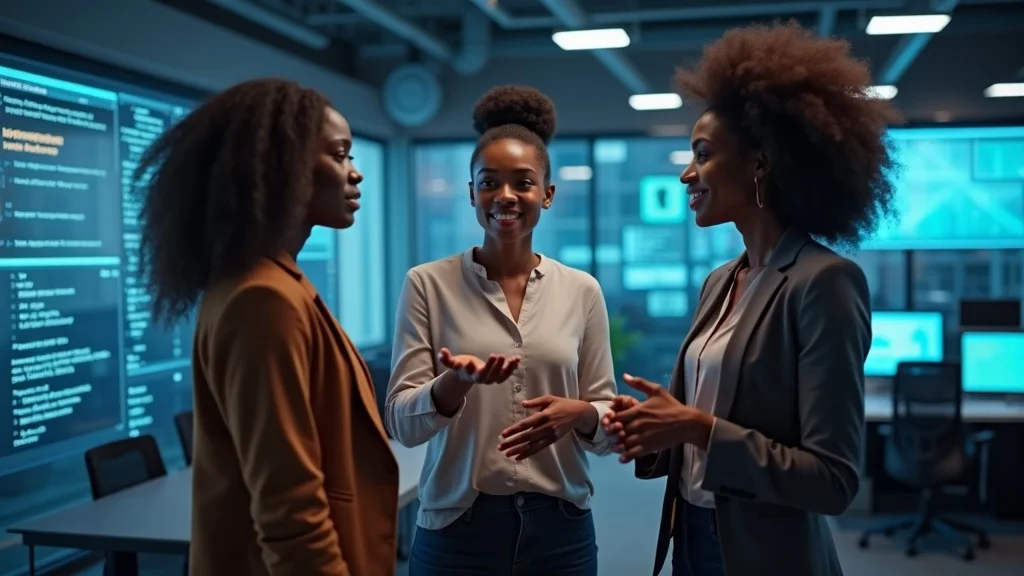
Despite more women using AI tools and entering technical roles than ever before, a staggering gender gap remains in leadership, ownership, and genuine influence within the industry. The promise of ai inclusion is undermined when women are seen but not heard—invited to the room, but not allowed to own the agenda, the roadmap, or the product. It’s not just about filling seats; it’s about who sets the course for AI systems, language models, and major policy and development decisions. Visibility without actual ownership perpetuates tokenism and limits female innovators’ ability to shape responsible AI, ultimately impacting how AI tools, generative AI, and large language models evolve and serve diverse societies, especially in emerging African markets.
Ownership determines who designs AI governance and decides which voices matter in ai use. Without women controlling intellectual property, investment capital, or operating models, harmful biases are far more likely to persist in language models and AI summaries. If you want AI to benefit everyone—especially in Africa—then women’s authority must move from symbolic presence to genuine power.
Understanding True AI Inclusion: Moving Beyond Numbers
Many organisations tout statistics on diversity in ai tech and hiring, but overlooking where real decisions are made misses the point. True ai inclusion means shifting the focus from how many women are hired or featured in marketing to how many are actively directing AI projects, setting policy, and holding intellectual property rights. When women lead, they apply their lived experiences to create fairer, safer, and more ethical AI tools. This is vital for both responsible ai and business outcomes, as diverse leadership teams are proven to build products that solve for a wider set of needs and are less prone to algorithmic bias.
From the underlying training data in language model development to features of ai tools built for the African market, only authentic representation at the highest levels ensures AI systems are not just accessible but also empowering. Inclusion is not a numbers game—it's about having command over the critical decisions that shape how AI is used and governed across regions and contexts.
For those interested in how digital platforms are shaping opportunities for women and innovators in East Africa, exploring the East Africa Top Directory can provide further insight into the region’s evolving digital real estate and technology landscape. This resource highlights the growing ecosystem where ownership and leadership are becoming increasingly accessible.
Why Visibility Is Not Enough in True AI Inclusion
Visibility may bring initial awareness to issues of gender and diversity in artificial intelligence, but without women in ownership roles, that awareness rarely leads to change. Visibility can be leveraged for branding or compliance but still leave women excluded from major business outcomes or intellectual property stakes. In the field of AI, where tools and language models rapidly become embedded in society, those who set the agenda also shape societal change.
When women are limited to surface-level participation, it often results in AI systems that neglect unique African challenges or reinforce pre-existing biases in large language models. Visibility becomes little more than marketing unless it translates to direct ownership, investment, and positional authority—otherwise, real progress toward equitable, effective, and responsible AI stagnates.
What You’ll Learn About True AI Inclusion and Ownership
- The difference between visibility and ownership in AI
- Why 'true AI inclusion requires ownership, not visibility'
- How current trends in ai tool, language model, and ai tools impact women
- Action steps and solutions for responsible AI in African contexts
Confronting the Issues: What Is the Problem of Inclusion in AI System?
Defining the Core Problems in AI Inclusion
Despite aggressive recruitment efforts and new mentorship initiatives, the core barriers in AI inclusion persist. True inclusion goes deeper than fair hiring: it’s about who gets to innovate, set benchmarks, and profit from cutting-edge ai tools and large language models. Presently, gatekeeping around AI research, product development, and especially intellectual property prevents most women from shaping the backbone of next-generation AI system design. As a result, many language models and generative AI tools reflect the unconscious biases of dominant groups, while the voices of African women innovators are sidelined or outright ignored.
Barriers in ai use are compounded by structural inequalities—limited access to capital, training data, and proprietary technology. African women, in particular, face a double bind of global and local obstacles. They’re underrepresented not just in Silicon Valley boardrooms, but equally within their own countries' emerging AI sectors, where funding, network support, and intellectual property protection lag far behind Western standards. For AI to achieve its transformative promise in Africa, these issues must be addressed head-on.

The Impact of Exclusion in Large Language Model Development
When African and global women are excluded from the development of large language models, the AI systems produced tend to skew toward the worldviews programmed into their training data. This exclusion perpetuates misrepresentations in everything from AI summaries to decision-making outputs, as the nuanced needs of African societies and marginalized communities go unheard. Responsible AI can only be achieved if women, especially those from underrepresented regions, participate in creating, training, and owning these models.
The use cases for large language models in African contexts are vast—from healthcare diagnostics to local language education tools—but they require contextual intelligence that only diverse, representative ownership can deliver. Without it, new AI tools will simply amplify old prejudices or offer limited solutions, ultimately restricting AI’s power as a productivity tool for transformative social impact.
Table: Inclusion by the Numbers – Comparing Visibility vs. Ownership Roles in Artificial Intelligence
| Region | Percentage of Women in AI Roles | Percentage in AI Ownership | Usage of AI Tool / AI Tools |
|---|---|---|---|
| North America | 33% | 7% | High (enterprise-level ai tools prevalent) |
| Europe | 29% | 6% | Moderate (increasing use of generative AI and language models) |
| Asia | 35% | 8% | Rapid growth in AI tool adoption, but minimal women-led ownership |
| Africa | 18% | 2% | Low, but growing, especially for emerging AI tools in local languages |
Visibility vs Ownership: Why True AI Inclusion Requires Ownership, Not Visibility
Examining Tokenism in AI Tools and Language Models
Tokenism—where diversity efforts focus on adding women to teams for appearance’s sake—is a serious barrier to true AI inclusion. It occurs in AI tech when women are invited to contribute feedback to large language model or generative AI projects but are denied real influence over training data, architecture decisions, or intellectual property outcomes. As a result, token participation leads to superficial improvements and “diversity theatre”—not substantive progress.
In the real world, tokenism is evident when product launches celebrate the presence of women in AI tools marketing without granting them rights to patents, profits, or venture capital funding. This is why the shift toward real ownership is so essential: only it leads to accountability, robust AI governance, and better performing AI system outputs that serve a more diverse set of users.
Case Studies: Women Leading Large Language Models and Generative AI Projects
Consider several outstanding African and global women who have led, not just participated in, the next evolution of language models and generative AI projects. For instance, Dr. Timnit Gebru’s pioneering work on ethical AI at Google, though ultimately fraught with controversy, catalyzed a global conversation on responsible ai, bias in training data, and the urgent need for inclusion at the highest levels. In Kenya, African AI entrepreneurs are building tools that genuinely reflect local languages and cultural nuances, transforming life for rural communities and showing that ownership isn’t just possible—it’s revolutionary.
When women take the lead in generative AI and control intellectual property, they create solutions for previously neglected “use cases”—such as gender-safe content moderation and educational applications for indigenous languages. By moving from passive ai use to active intellectual property ownership, these leaders set new standards for what AI can (and should) deliver on the continent and beyond.

Video Insight: Leading African Women in AI Tech (Video 1)
Watch African women in AI tech discuss their journeys from participate to owner, across laboratories, hubs, and co-working spaces in Nairobi, Lagos, and Cape Town.
Why Is Accountability and Ownership Important in the Use of AI?
Ownership as a Pillar of Responsible AI and AI Governance
No matter how advanced an AI system is, responsible AI demands more than technical oversight—it requires true accountability, and that only happens when underrepresented innovators are given ownership rights and a seat at the AI governance table. Ownership means women can shape the operating model, define ethical principles, and set boundaries around the use of proprietary data. Without this, the field will remain stagnant, with AI systems that work for some but not for all.
Ownership ensures transparency in how language models are trained, how data is curated for ai summaries, and who ultimately reaps the rewards. When African women control their own AI startups or policy groups, it results in AI tools that are more ethical, context-aware, and responsive. It opens the door for improved intellectual property rights, tailored local use cases, and better protection against algorithmic bias—vital ingredients for responsible and equitable AI use on the continent and beyond.
Intellectual Property, Operating Models, and Power Structures
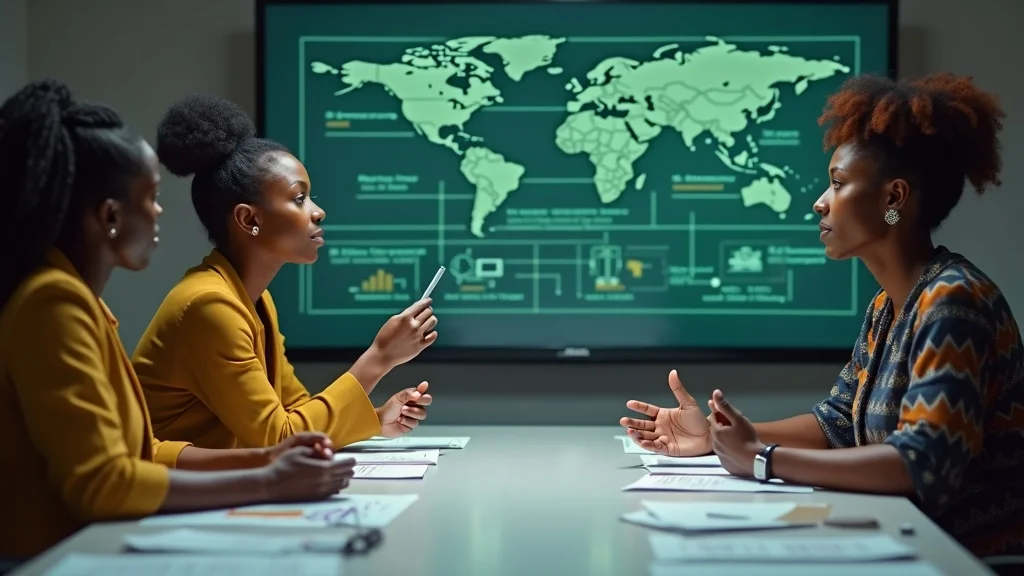
At the heart of true ownership in artificial intelligence is control over intellectual property, the ability to set the operating model, and the redistribution of power structures. When women hold patents, set terms on open access for AI training data, or lead model design decisions, they protect their ideas and shape commercial outcomes. This breaks the historical cycle where women contribute knowledge but are excluded from profits or innovation credit.
Yet, barriers to intellectual property rights remain daunting for African women. Many face legal and financial challenges, lack of access to global AI policy networks, and entrenched gender norms in the startup ecosystem. Prioritising initiatives that expand open access, simplify patent processes, and nurture female entrepreneurship can create pathways toward balanced power structures in AI governance—ensuring AI tools and large language models truly belong to those who build them.
"Accountability only follows when you have a seat at the table – and a say in the rules."
— Female AI Founder
Using AI: Women’s Experiences With AI Tech, AI Tool, and AI Tools
Real Stories: Women Navigating Artificial Intelligence and Large Language Models
African and global women offer diverse, often overlooked perspectives on using AI. Some use case examples: Zama, a Nigerian entrepreneur, utilised open access ai tool platforms to design agricultural supply chain solutions for women farmers. Meanwhile, South African professors harness language models to democratise access to STEM education and combat gendered stereotypes in course content. Their common thread? Navigating gaps between visibility and ownership, and persistently advocating for fairer representation within large language model development teams.
These women’s experiences reveal common hurdles—limited access to the latest ai tools, funding biases, and systemic exclusion from IP protection. Yet their resilience has helped them turn barriers into bridges, connecting rural and urban Africa via innovative, gender-sensitive AI projects that go beyond mere participation. Their stories prove that ownership matters, not just for economic returns, but in shaping AI’s impact on their communities.
Barriers to Entry: From AI Summaries to Intellectual Property Challenges
- Lack of access to ai tools in emerging economies
- Gendered algorithms in language models
- Success stories across African innovation
Across the continent, limited digital infrastructure and uneven open access policies keep women out of leading-edge ai tech. When they do participate, they often face another stumbling block: language models trained mainly on non-African, non-inclusive data sources. These “gendered algorithms” reinforce stereotypes and reduce the impact and relevance of AI summaries, limiting women’s ability to use AI as a transformative tool.
Intellectual property challenges persist as well. Many African innovators encounter costly, complex patenting protocols or inadequate legal protections for their ideas. To level the playing field, AI policy must lower structural hurdles around property rights, promote more transparent operating models, and commit to context-sensitive responsible AI governance.
The African Perspective: What Would True AI Inclusion and Ownership Look Like?
Bridging the Ownership Divide in AI Use and Language Models
In Africa, bridging the divide between visibility and ownership in AI use and language model development is key to unlocking the continent’s true tech potential. True AI inclusion would empower African women as sole or majority owners of AI startups, data science labs, and policy think tanks—embedding them from the earliest ideation phase through to commercial launch and ongoing governance.
Such a shift would catalyse regionally relevant innovation: AI tools tailored for African healthcare, agriculture, education, and microfinance sectors. Language models would finally represent local dialects and cultural complexities, combating bias at the core. Only by granting ownership, not token presence, to African women can responsible AI become reality—both as a tool for economic transformation and as a model for global ethical ai governance.

Policy Recommendations for Responsible AI and Ownership
| Implementation Goal | Action Steps | Expected Impact on True AI Inclusion |
|---|---|---|
| Expand Access to Funding | Develop women-focused AI investment funds and mentorship | Boost number of women-owned AI startups and IP holders |
| Prioritise Open Access Policies | Enable legal frameworks for open source training data & language models | Broader participation and improved representation in large language model outputs |
| Streamline IP Protection | Simplify patent processes, lower legal barriers | Increase in ownership and protection for women’s AI innovations |
| Foster Responsible AI Governance | Mandate women’s representation in AI policy decision-making bodies | Ethical use of AI tools and language models, stronger public accountability |
Video Deep Dive: Emerging Women Leaders Redefining AI Ownership (Video 2)
In-depth look at African women AI entrepreneurs breaking new ground on the global stage.
Which Statement is True Regarding AI: Ownership, Agency, and Accountability
Dispelling Myths in Large Language Model and Generative AI Tech
A common myth is that increasing women’s visibility within AI is sufficient for lasting impact. The truth? Only real ownership creates the framework for agency and accountability necessary in artificial intelligence. Another misconception: AI tools and large language models are “neutral. ” In reality, these systems reflect the worldview, biases, and priorities of their creators—making inclusive, diverse, and accountable ownership essential for equitable AI outcomes.
Generative AI technologies in particular are only as fair as the minds behind them. If African women are locked out of design and IP decisions, the resulting models will fail to reflect the realities and needs of billions. Equitable ownership is not just an ethical imperative—it’s a prerequisite for scalable AI systems that serve everyone.
Ownership as the Keystone of AI Governance and Ethical AI Use
AI governance is rapidly becoming a defining challenge of the 21st century. As AI output shapes societies at scale, only those with genuine ownership can enforce effective safeguards, halt harmful use cases, and promote open access to vital systems. When women—especially from Africa—set the operating model for language models, they help ensure inclusivity and transparency.
Ethical AI is impossible without grassroots accountability. Ownership grants women not only decision-making power, but also the responsibility and tools to lead generative AI towards positive societal impact. In turn, this fosters a new era of value-aligned AI, guided by diverse women’s lived experiences from ideation to execution.
Do True AI Agents Exist? Understanding Agency in Artificial Intelligence

Agency, Accountability, and Their Ties to True AI Inclusion
While the dream of fully autonomous AI agents sparks debate, modern artificial intelligence still relies on human agency at key junctures—ideation, dataset choice, system governance, and ip ownership. Granting African women true owning rights over generative AI projects ensures agency is exercised with context and accountability. The direction of ever-more-powerful language models depends not on their autonomy, but on the diverse individuals who program, train, and steer their outputs.
Without broadening agency and ownership, AI risks drifting towards irresponsibility—bias going unchecked, property rights ignored, and use cases unguided by ethical consideration. Embedding agency in diverse African leaders is thus the linchpin for responsible, sustainable AI use and governance.
Future Outlook: Responsible AI Agents and Women’s Role in Shaping Them
As AI becomes both more capable and more autonomous, the need for responsible human oversight will grow. African women’s leadership promises not only better ethical safeguards but also a wider range of ai tool innovation, stronger local adaptation, and increased resilience against bias and misuse. By moving from visibility to true ownership, they will shape the future of AI as a force for inclusive progress across Africa and the world.
Key Takeaways: Redefining True AI Inclusion Requires Ownership, Not Visibility
- The gender gap in AI persists at the ownership level
- Responsible AI and effective governance demand active inclusion and agency
- African women are uniquely positioned to lead transformative change in using AI tools and language model innovation
Frequently Asked Questions (FAQs) on True AI Inclusion, Ownership, and Agency
-
What defines “ownership” in artificial intelligence?
Ownership in AI refers to holding rights to intellectual property, directorship in startup or policy leadership, and the power to influence the direction of AI systems, not just participate in low-level product roles. Only through ownership can individuals effect real change in AI governance and equitable tools. -
How do large language models reinforce existing biases?
Large language models are trained on vast datasets that can embed social, cultural, or gendered biases. When women (especially African women) are excluded from the teams that design, train, and test these models, those biases go uncorrected—leading to systems that amplify rather than challenge stereotypes. -
What steps can African innovators take for more equitable AI use?
African innovators should advocate for open access to training data, pursue funding and mentorship for women, streamline IP protection, and ensure representation in policy and AI governance structures. These steps lay the foundation for AI tools that address local needs and support equitable participation.
Conclusion: The Urgency of Moving from Inclusion to Ownership in AI
Next Steps for Women, African Innovators, and the AI Community
Lasting, responsible progress in African artificial intelligence depends on women owning, not just using or being visible in, the future of AI. True AI inclusion requires ownership, not visibility—and it starts with action today.
As the digital landscape in Africa continues to evolve, the journey from inclusion to ownership in AI is just one part of a much larger transformation. If you’re eager to discover how digital real estate and technology are opening new doors for innovators, leaders, and entrepreneurs across East Africa, the East Africa Top Directory offers a curated look at the region’s most dynamic opportunities. Exploring these resources can help you connect the dots between AI leadership, digital empowerment, and the broader ecosystem driving Africa’s tech future. Take the next step—immerse yourself in the networks and platforms that are shaping tomorrow’s success stories, and see how ownership in AI is just the beginning of a new era for African innovation.
Ready to stay ahead of Africa's AI revolution? Join AI Africa News for weekly insights on AI tools, opportunities, and success stories designed specifically for African innovators and students. Get practical knowledge you can use immediately—no fluff, just actionable intelligence.
Sources
- https://www.weforum.org/reports/global-gender-gap-report-2023 – World Economic Forum (Global Gender Gap Report)
- https://www.unesco.org/en/artificial-intelligence/women – UNESCO: Women in AI
- https://venturebeat.com/ai/women-owenership-diversity-ai-industry/ – VentureBeat: Women’s Ownership in AI
- https://www.odi.org/en/publications/ai-in-africa-leadership-opportunities-and-barriers/ – ODI: AI in Africa, Leadership Opportunities and Barriers
- https://www.brookings.edu/articles/african-women-lead-in-artificial-intelligence/ – Brookings: African Women Lead in AI





Write A Comment