

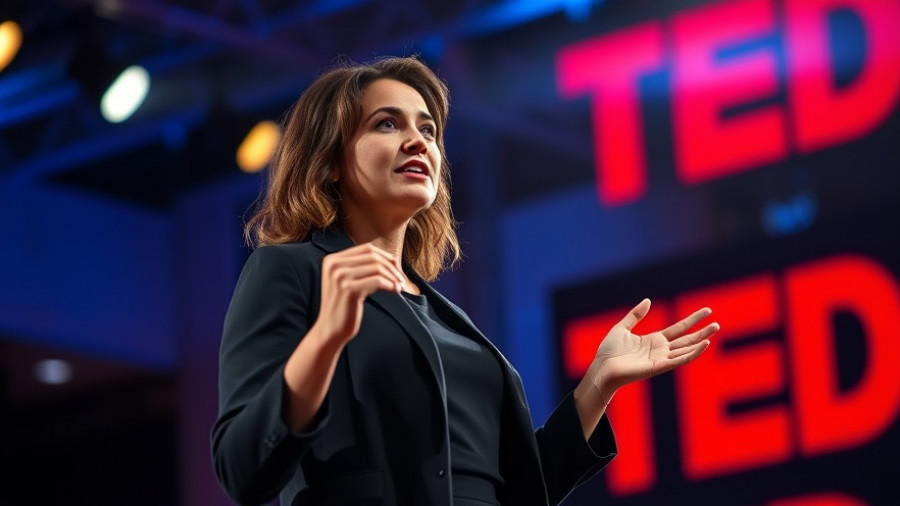
Understanding the True Cost of Climate Change on Human Lives
When we envision climate change, we often think of natural disasters, like wildfires and floods, but behind these images lies a more insidious struggle—temperature-related deaths. Esther Duflo's powerful TED talk highlights that, by the year 2100, an estimated six million people could die due to rising global temperatures, primarily affecting individuals in low- and middle-income countries. While the wealthiest nations often remain insulated from these harsh realities, it's the least fortunate who bear the brunt of climate inaction.
In ‘Tax the Rich — and Save the Planet,’ Esther Duflo explores the intersection of wealth, climate change, and human lives, prompting a crucial discussion about equitable solutions.
Economic Equity: The Moral Imperative for Change
Duflo argues that climate change is not just an environmental issue; it is also an ethical one. Wealthier countries, particularly within the OECD, significantly contribute to carbon emissions, costing low-income nations a staggering $1.7 trillion annually. This financial burden represents a moral obligation that the global community must address. By acknowledging that every ton of carbon emitted contributes to vulnerability, we can reframe the discussion around climate action as one rooted in justice and equity. It compels us to weigh the financial costs against the human lives lost and the livelihoods endangered.
Taxing the Rich: A Solution on the Table
As Duflo points out, the wealthiest individuals and corporations disproportionately evade paying taxes compared to average citizens. This imbalance allows the rich to sidestep their financial responsibilities toward climate justice. Implementing a 3% wealth tax on the world's richest individuals could raise $400 billion annually. Additionally, a slight increase in the corporate minimum tax rate from 15% to 21% could bring in another $300 billion. This funding could provide direct financial support to nations most affected by climate change, signaling an urgent call for global tax reform.
Redirecting Resources: Empowering Communities Directly
One of the most remarkable points in Duflo's talk is the straightforward solution of cash transfers. By allocating funds directly to individuals in impoverished communities, we can bypass bureaucratic restrictions and ensure that aid reaches the people who need it most. Evidence supports that targeted cash transfers not only enhance consumption and living conditions but also foster resilience against climate-related shocks, such as extreme weather events. The existing infrastructure for mobile payments in many developing nations can facilitate this shift and create a model that could be replicated globally.
Building Trust: The Foundation of Effective Climate Action
The pathway to effective climate action is built on trust between wealthier nations and vulnerable communities. Duflo posits a bold idea—a grand bargain whereby richer countries compensate the poorer nations for the damages caused by their emissions, which could unlock enhanced commitment from these nations to tackle climate change. This framework not only acknowledges past injustices but also incentivizes collective action, creating a win-win situation in the fight against climate change.
A Call to Collective Action
As global citizens, we must advocate for policies that hold the richest accountable and ensure that climate action is equitable. Duflo's call to action is clear: the world's billionaires and affluent nations need to step up, break the cycle of financial negligence, and contribute to a sustainable future for all. The momentum for environmental justice is building, and now is the time to engage in conversations that will ultimately save lives while preserving our planet.


Write A Comment