

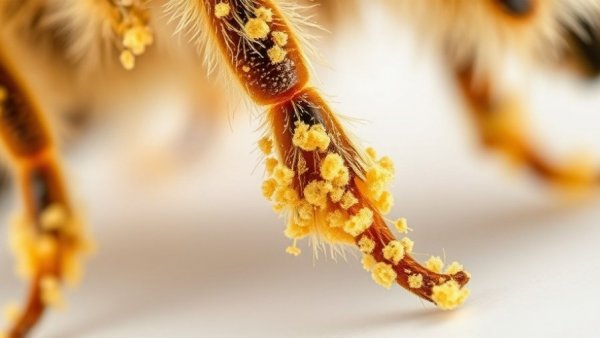
The Vital Role of Pollen in Our Ecosystem
Did you know that a staggering 80% of plants rely on pollen for reproduction? This crucial biological process not only facilitates plant growth but also supports the entire ecosystem, including human life. Understanding the significance of pollen can transform our approach to environmental conservation and agriculture.
In '80% of Plants Depend on Pollen,' the discussion dives into the essential role of pollen in our ecosystem, sparking deeper analysis on how this impacts our lives and the environment.
Why Do Plants Depend on Pollen?
Pollen is a male gametophyte that contains the genetic material needed for the fertilization of ovules in flowering plants. Various agents, including wind, water, and pollinators such as bees and butterflies, help in the transfer of pollen. This relationship highlights the interdependence between plant life and pollinators. When we protect these pollinator populations, we also safeguard agricultural productivity and natural biodiversity.
The Consequences of Declining Pollinator Populations
The global decline in pollinator populations poses a significant threat to plants and overall food security. Factors such as habitat loss, pesticide use, and climate change have contributed to this alarming trend. Without effective intervention, food crops that depend on these pollinators will suffer, leading to a ripple effect impacting human health, nutrition, and economies worldwide.
Building Awareness and Taking Action
Understanding that 80% of plants depend on pollen compels us to take action for the future of our planet. Initiatives targeting sustainable farming practices, habitat restoration, and education about pollinator protection can make a significant difference. By enhancing our awareness and taking responsibility, we can foster an environment that sustains both plants and pollinators.
Your Role in Conservation
Every individual has a role to play in conservation efforts. Whether it’s supporting local farmers, planting native flowers that attract pollinators, or advocating for legislation that protects habitats, our collective actions can lead to meaningful change.





Write A Comment