


Futuristic 3D logo with glowing light bulb, 'AI AFRICA' text, and chrome accents.
AI AFRICA DIGITAL PATHFINDERS
MAJESTIC MEDIA  APPLICATIONS
  • Home
    • #Business & Event Spotlights
    • #AI TODAY & TOMORROW
    • #AI Africa Ethics
    • # AI CREATIVES AFRICA
    • #AI ECOSPHERE
    • AI Frontiers
    • AI Spotlights
    • AI History
  • Featured
    • AI Visionaries
    • AI Horizon
    • AI Success
  • AI Pioneers
    • AI Accelerators
    • AI Trailblazers
    • AI Policy
  • AI Africa now
  • AI Africa Kids
  • AI Hub
    • AI Ignitors
    • AI Educators
    • #AI KIDS AFRICA
  • #AI IN BUSINESS
  • #AI INSIDER
  • #AI SOVEREIGNTY AFRICA
  • AI Healthcare
November 18.2026
4 Minutes Read

Unlocking the Potential of African Tech Ecosystems: A Path Forward

EP47: Empowering Emerging African Tech Ecosystems

The Rise of African Tech Ecosystems: Unlocking Potential

In recent years, Africa has emerged as a vibrant tech hub with plenty of untapped potential. The Africa Tech Summit in Nairobi highlighted these burgeoning ecosystems, emphasizing the importance of supporting underrepresented regions such as Senegal and Benin. In a conversation with Haifa Ben Salem from the International Trade Centre (ITC), listeners gained insights into the unique challenges faced by tech startups in these areas compared to more established markets like Nigeria and South Africa.

Understanding the Funding Gaps

One focal point of the discussion was the stark difference in funding opportunities between emerging and mature African tech markets. While countries like Nigeria are attracting significant investments, tier two and three countries are often left out. For these smaller markets, the lack of accessibility to funding directly impacts their growth trajectories.

Haifa noted that the UK Trade Partnership Project (UKTP) aims to bridge these gaps by providing startups in these regions with the exposure they need to attract investors. Through programs that connect entrepreneurs to global markets, the ITC is playing a pivotal role in empowering these ecosystems. It's crucial for not only the startups but also for the investors themselves to explore these lesser-known markets that offer unique opportunities for high returns.

The Need for Sustainable Business Models

Another critical aspect addressed during the episode was the necessity for tech founders to develop sustainable business models rather than just focusing on creating great products. The landscape of technology is ever-changing; therefore, founders must be adaptable. Haifa stressed that while innovative ideas are crucial, understanding market dynamics and building a viable financial model is equally important. This holistic approach will enable African startups to scale sustainably.

Moreover, many entrepreneurs lack the necessary resources and guidance to develop these business models. Various organizations are stepping in to provide mentorship and support in this regard, equipping young business owners with the knowledge they need to thrive. By helping startups create comprehensive business strategies, these measures aim to enhance the overall success rate of tech initiatives across the continent.

The Climactic Shift to Climate Tech

Additionally, the discussion touched upon the growing trend of climate technology in Africa. With the rising effects of climate change impacting economies and ecosystems across the continent, there is a pressing need for tech solutions that address these challenges. Startups that focus on climate tech not only contribute to environmental sustainability but also find lucrative opportunities in developing green technologies.

As African nations grapple with issues like drought, flood, and resource scarcity, tech startups have the potential to devise innovative solutions, ranging from agricultural technology to renewable energy systems. The intersection of technology and environmental science is creating a wave of new businesses dedicated to sustainability, which could benefit both the economy and the environment.

The Power of Connection

The Africa Tech Summit emphasizes the power of connection in nurturing these ecosystems. As Haifa mentioned, fostering relationships between startups, investors, and policymakers is essential for building a supportive network that drives innovation. Events like these allow various stakeholders to connect, share ideas, and collaborate on actionable solutions, thereby strengthening the overall ecosystem.

Networking opportunities offered by gatherings such as the Africa Tech Summit play a crucial role in the development of these young ecosystems. Relationships built at these events often result in partnerships, investments, and mentorship that can greatly accelerate startup growth. For participants, whether emerging entrepreneurs or seasoned investors, the personal connections made can lead to impactful collaborations.

Why It Matters for Business Owners and Tech Enthusiasts

For African business owners and tech enthusiasts, understanding the intricacies of these emerging markets is invaluable. Awareness of funding landscapes and regulatory challenges enables entrepreneurs to strategize effectively and seize growth opportunities. Moreover, engaging with climate tech can bolster businesses while simultaneously promoting sustainable development across the continent.

Business owners should focus on building relationships with other stakeholders in the tech ecosystem, such as local governments and established tech hubs, to ensure they are well-positioned to take advantage of new opportunities. Engaging in community events and tech meetups not only informs business strategies but also fosters an environment of collaboration that can lead to innovation.

Future Predictions: Where is African Tech Headed?

The future looks promising for African tech ecosystems, provided that ongoing efforts to support startups in tier two and three countries continue. As these regions experience increased investment and support, they are likely to develop new innovations that could change the narrative of African technology on the global stage. In time, we may see a more balanced investment landscape across the continent, fostering a more inclusive tech environment that benefits all regions.

Experts predict that as awareness about these ecosystems grows, there will be a rise in interest from global investors seeking fresh ideas from distinct markets. This could lead to a significant shift in how technologies are developed and deployed within Africa, focusing on solutions tailored to the unique challenges faced by the continent.

With the right resources and networks in place, the potential for African tech ecosystems to thrive is enormous. Entrepreneurs, educators, and policymakers must continue to work collaboratively to unlock the rich opportunities that lie within Africa.

Get involved: If you’re invested in the future of African technology, consider attending the Africa Tech Summit or supporting local initiatives aimed at fostering these ecosystems. Engaging with this burgeoning community can be the first step towards making a meaningful difference in the tech landscape across the continent.

AI Africa News

1 Views

0 Comments

Write A Comment

*
*
Please complete the captcha to submit your comment.
Related Posts All Posts

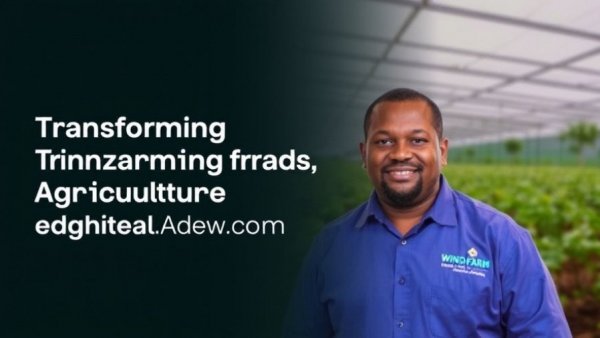
Transforming African Agriculture: Winich Farms’ Innovations and Expansion Plans

Update Transforming Agriculture with Technology: Winich Farms’ VisionIn a pivotal conversation recorded at the Africa Tech Summit in Nairobi, Winner Attai, the Co-Founder and Chief Operations Officer of Winich Farms, sheds light on how the agrifintech company is revolutionizing agricultural practices in Nigeria. Winich Farms has already made significant strides in addressing the needs of over 300,000 farmers through innovative solutions designed to enhance access to finance and eliminate inefficiencies in the supply chain. This approach not only modernizes traditional farming practices but also holds the potential to boost the overall agricultural productivity of the region.Empowering Farmers Through Financial InclusionThe heart of Winich Farms’ mission is to empower smallholder farmers, who are the backbone of the agricultural sector in many African countries. Historically, these farmers have faced substantial barriers to accessing financial services, often limiting their capacity to grow their businesses. Winner discussed the development of the Winich debit card, aimed at expanding financial inclusion for farmers who have struggled to obtain credit from traditional banks. With this debit card, farmers can now manage their finances more effectively, facilitating transactions with suppliers and customers. Moreover, the card provides them with a clearer financial overview, fostering better financial habits and enabling them to save and invest in their future.Additionally, the Produce Collateralized Credit product allows farmers to utilize stored crops as collateral for loans—a game-changer for those lacking traditional credit histories. This innovative approach not only opens doors for credit access but also encourages better crop storage practices since farmers can leverage their assets to secure financing. In regions where financial literacy programs may be lacking, these initiatives show great promise in creating a more inclusive financial ecosystem.Streamlining Processing: Real-Time Inventory TrackingOne key component of Winich Farms’ operations is their real-time inventory tracking system for informal processors. This technology not only helps in monitoring the supply of produce but also aids processors in making informed decisions, considerably reducing losses and ensuring a more resilient supply chain. Enhanced inventory management thus plays a critical role in bridging the gap between farmers and markets, allowing for better matching of supply and demand.In today's fast-paced economy, the ability to track inventory in real-time can significantly reduce wastage and spoilage. This is especially crucial in agriculture, where a miscalculated supply can lead to mountains of unsold goods or unmet consumer demand. By leveraging technology, Winich Farms not only streamlines logistics but also empowers local processors to maintain an efficient operation, contributing to overall food security.Addressing Challenges: Insecurity and InfrastructureDespite its innovations, Winich Farms faces daunting challenges that threaten its mission. Winner highlighted issues such as insecurity affecting supply routes, poor infrastructure that hampers logistics, and policy instability that creates an unpredictable environment for business operations. In regions where violence or theft can disrupt the supply chain, the ability to deliver goods safely becomes a considerable concern. Transportation routes must be secure, and Winich Farms continually seeks solutions to mitigate these threats, which, if unaddressed, could undermine the very goals of supporting farmers.Moreover, inadequate infrastructure poses a formidable barrier to agricultural growth in many African nations. Poor road conditions, inconsistent electricity supply, and limited access to markets prevent farmers from reaching consumers. Addressing these factors is critical for the sustainability of smallholder agriculture in Nigeria and the wider African continent. Partnerships with government and non-governmental organizations could play a pivotal role in fostering improvements in infrastructure that are essential for agricultural development.Expansion Plans: Eyeing East AfricaLooking towards the future, Winich Farms is set to expand its reach into East Africa, with plans commencing in Tanzania and Kenya. This strategic move is viewed as a vital step not only for the company’s growth but also for enhancing agricultural systems in those countries. The shared challenges, as outlined by Winner, highlight similarities in the agricultural landscapes of Nigeria and East Africa, making this expansion a logical next step. The success in Nigeria serves as a blueprint that other regional markets can adapt, building upon the lessons learned from existing challenges.The expansion will involve not just introducing existing products but also tailoring solutions to meet the specific needs of East African farmers. Engaging local communities and understanding their unique challenges will be essential to Winich Farms’ success in this new market. By doing so, they hope to create a ripple effect that will empower more farmers to embrace technology and improve their agricultural practices.What This Means for African AgricultureWith the combined innovative finance options and technology-driven solutions from Winich Farms, there is substantial hope for revitalizing African agriculture. The agrifintech approach explored in this initiative holds vast potential for the continent’s wider food security landscape, empowering farmers while addressing the systemic problems that affect productivity. By effectively connecting farmers with markets, Winich Farms plays a crucial role in facilitating a more integrated agricultural economy that supports better livelihoods.Final Thoughts: The Transformation is UnderwayAs African farmers increasingly embrace technology and innovative solutions, strategic partnerships and supportive policies will be crucial to foster this growth. Winich Farms exemplifies how agrifintech initiatives can uplift communities, empower farmers, and bolster economies across Africa. This transformation underscores the importance of collaborative efforts among stakeholders to create an ecosystem that nurtures innovation, enhances agricultural productivity, and ensures long-term sustainability for future generations of African farmers.

Unlocking Agritech and Climate Innovation in Africa: Insights from Novastar Ventures

Update The Future of Agritech Innovation in Africa Africa stands on the brink of an agritech revolution, with its vast agricultural potential waiting to be unlocked through innovative technological solutions. In recent discussions highlighted by Novastar Ventures, a prominent investment firm focused on the African market, experts emphasized that the combination of agritech and climate innovation can significantly enhance food security and economic sustainability across the continent. This fusion is expected to address not only the immediate challenges facing agriculture but also set the groundwork for future growth and resilience. Understanding Agritech's Role Agricultural technology, or agritech, harnesses cutting-edge innovations to improve farming practices. These innovations range from advanced irrigation systems and biotechnology to precision farming and mobile applications that provide farmers with critical data. The potential benefits of these technologies are immense, particularly in Africa, where agriculture employs nearly 60% of the workforce and contributes substantially to GDP. Improving farming efficiency through these technologies can lead to increased yields, reduced environmental impact, and enhanced profitability for farmers. Moreover, implementing agritech can help farmers better adapt to changing climatic conditions. For instance, using data analytics and satellite imagery, farmers can monitor crop health and soil conditions in real time, enabling them to make informed decisions. This timely information can help to increase resilience to climate stressors, thus supporting the livelihoods of millions. Key Insights from Industry Leaders During the recent podcast featuring insights from industry leaders, it was noted that the collaboration between agritech companies and governments could pave the way for groundbreaking solutions. The collective effort of various stakeholders, including private industry, civil society, and educational institutions, is necessary for the ecosystem to thrive. By investing in research and development, creating supportive policies, and facilitating access to funding, stakeholders can help agricultural entrepreneurs thrive. One important theme that emerged from discussions is the significance of local partnerships. For agritech solutions to be sustainable, they must be relevant to the local context. Industry experts agreed that engaging with local agricultural communities can lead to more effective solutions that meet specific needs, rather than imposing one-size-fits-all interventions. Aligning Climate Innovation with Agritech At the heart of this agritech movement is a strong emphasis on climate resilience. As Africa faces increasing climate challenges, scaling innovations that mitigate climate impacts on agriculture becomes crucial. For instance, technologies that promote drought-resistant crops can help ensure food supply in arid regions. Furthermore, practices such as agroforestry and integrated pest management can boost biodiversity while enhancing crop yields. Investments in clean energy solutions within agricultural practices, such as solar-powered irrigation, can minimize carbon footprints while maximizing output. These technologies not only contribute to improving productivity but also align with global efforts to combat climate change. Community Engagement is Key Engaging local communities is indispensable for the success of agritech solutions. Farmers need effective training on new technologies to ensure proper implementation and uptake. Without adequate education and resources, even the most advanced technologies can falter. Moreover, grassroots initiatives that highlight local needs can help tailor technological solutions, empowering farmers and strengthening community involvement. Programs built around participatory approaches can foster trust and collaboration among farmers. By involving communities in the decision-making process, agritech innovations can be designed to address their actual challenges, enhancing overall effectiveness. The Role of Policy Makers In this dynamic landscape, policymakers play an essential role in fostering an environment conducive to agritech advancements. Establishing regulations that encourage innovation while ensuring sustainable agricultural practices could significantly impact growth. Policy frameworks that prioritize investment in agritech will cultivate resilient systems capable of withstanding future challenges. Policymakers are encouraged to craft initiatives that promote education about agritech tools, enabling smallholder farmers to leverage these technologies effectively. Furthermore, government support initiatives, such as tax incentives for agritech startups or grants for research into sustainable agricultural practices, can stimulate innovation. By creating an enabling environment that encourages risk-taking and entrepreneurship in the agritech space, governments can help unlock the continent's agricultural potential. Call to Action: Join the Agritech Movement The time is now for business owners, tech enthusiasts, and policymakers to engage actively in mastering agritech innovations. Collaborative efforts, from funding entrepreneurial initiatives to implementing supportive policies, will shape the future of agriculture in Africa, making it both sustainable and profitable. As we move forward, let’s commit to being pioneers in this vital sector. Joining the agritech movement means recognizing the importance of sustainable practices in agriculture. Investors are called to support startups devoted to innovative solutions that positively impact local communities while still achieving economic returns. Everyone has a role to play—from entrepreneurs developing the next big agricultural tech to community leaders fostering local support for sustainable initiatives. Together, we can harness the full potential of Africa's agricultural landscape and create a brighter, more food-secure future for all.

Seamless Cross-Border Payments: Fincra's Vision for Africa's Financial Future

Update The Importance of Cross-Border Payments in Africa In today's rapidly changing financial landscape, the need for seamless cross-border payments in Africa has never been more crucial. As Emmanuel Babalola, Chief Commercial Officer of Fincra, highlights in the Africa Tech Summit Podcast, the fragmented currency landscape poses significant barriers for businesses operating across the continent. By enhancing payment infrastructure, companies like Fincra aim to facilitate direct currency settlements, ultimately reducing reliance on the US dollar, which has traditionally been the go-to currency for international transactions. Understanding Fincra's Pioneering Role Fincra stands at the forefront of this payment revolution. Through innovative solutions that allow businesses to collect, convert, and settle money effectively, Fincra is fostering a currency ecosystem that empowers local economies. The company’s technological advancements not only simplify transactions but also contribute to economic resilience by enabling businesses to operate more independently and securely. With plans for expansion into over ten African markets, Fincra is not merely offering a service; it’s cultivating partnerships with banks and regulators to ensure that local businesses benefit from the financial tools and technologies they need to thrive. This multifaceted approach is essential as it paves the way for sustainable growth across various sectors in the African economy. The Local Currency Advantage and Its Implications One of the most striking insights from the podcast is the emphasis on enabling local currency transactions. By allowing for direct exchanges between markets without the need for a stable foreign currency as a mediator, companies can experience significant cost savings and reduced transaction times. For example, this local currency approach means that businesses can negotiate better deals and reduce vulnerabilities associated with currency fluctuations. Such advantages are particularly impactful for small and medium-sized enterprises (SMEs), as they often operate on tighter margins. Thus, being able to bypass the complications of foreign exchange can enable these businesses to invest more in their growth, ultimately stimulating local economies. Emerging Trends: The Role of Stablecoins Additionally, Babalola points out the rising importance of stablecoins in Africa's fintech landscape. As more users leverage digital currencies for stability, Fincra's integration of these assets could redefine how transactions are executed across borders. Stablecoins, pegged to tangible currencies or commodities, offer an innovative solution to the volatility that often accompanies fiat currency trading. This shift suggests exciting possibilities for users seeking to navigate financial uncertainties with ease. With stablecoins providing a bridge between traditional financial systems and digital innovations, individuals and businesses alike can safeguard their assets while enjoying the benefits of faster and cheaper transactions. Fincra’s Partnership-First Approach: A Recipe for Success Fincra's model underscores the importance of collaboration in overcoming the challenges of cross-border payments. By establishing a partnership-first approach, the company is building trust and rapport with local banks and regulators, which are essential in navigating the complex regulatory environment in different African countries. This proactive strategy not only fosters innovation but also encourages a unified approach to enhancing financial access across the continent. The partnerships formed by Fincra can serve as a blueprint for other fintech startups looking to make their mark in Africa. Collaborative efforts between fintech companies and traditional financial institutions play a significant role in bridging the gap between innovation and regulation. Looking Forward: Implications for African Businesses For African business owners, these advancements are not just theoretical; they bear real-world implications. As the efficiency of payment systems improves, businesses can scale faster and more sustainably than ever before. The tools developed by Fincra and similar organizations provide them with the means to enter new markets and reach wider audiences. Furthermore, the integration of local payment solutions not only reduces costs associated with transaction fees but also fosters a more inclusive financial environment where businesses of all sizes can participate. This fosters entrepreneurial growth, which is crucial for accelerating economic development and job creation across the continent. A Call to Action As we witness the evolution of payment infrastructures in Africa, it is crucial for stakeholders—be they businesses, policymakers, or technology enthusiasts—to engage with these developments actively. Entrepreneurs need to adapt to the changing financial ecosystem and take advantage of the opportunities presented by innovations like those offered by Fincra. For instance, businesses should explore partnerships with fintechs to enhance their operational capabilities and financial inclusiveness. The future of finance in Africa promises to be inclusive, thriving, and, above all, borderless. Embrace this change and explore how you can leverage these advancements for your business growth. By participating in this revolution, not only can individuals and organizations flourish, but they also contribute to a more integrated and economically stable Africa.

AI Africa Digital News Nexus

AI is reshaping Africa’s future, and staying informed is essential. Subscribe to updates from leading AI thought leaders, research centers, African tech news platforms, and digital transformation initiatives to stay ahead of the curve. The AI revolution is here. Africa is not just participating; it is leading the way..

COMPANY

  • Privacy Policy
  • Terms of Use
  • Advertise
  • Contact Us
  • Menu 5
  • Menu 6

650-980-9020

Available From 8AM - 5PM

City, State

6749 S. Westnedge Avenue, Portage, MI 49002


Serving Africa & Diaspora Tech Enthusiasts And Educators

ABOUT US

Across Africa, innovative platforms are emerging as beacons of progress.
The ai revolution is paving the way for solutions that transcend traditional news delivery. With tools that seamlessly integrate ai, the continent is moving toward an era of enhanced transparency and efficiency. AI Africa News embodies a vision where each story we add reflects the broader aims to change outdated narratives and promote connectivity.

© 2026 AI AFRICA NEWS MEDIA SOLUTIONS All Rights Reserved. 6749 S. Westnedge Avenue, Portage, MI 49002 . Contact Us . Terms of Service . Privacy Policy

eyJjb21wYW55IjoiQUkgQUZSSUNBIE5FV1MgTUVESUEgU09MVVRJT05TIiwiYWRkcmVzcyI6IjY3NDkgUy4gV2VzdG5lZGdlIEF2ZW51ZSIsImNpdHkiOiJQb3J0YWdlIiwic3RhdGUiOiJNSSIsInppcCI6IjQ5MDAyIiwiZW1haWwiOiJtYWplc3RpY21lZGlhc29sdXRpb25AZ21haWwuY29tIiwidG9zIjoiUEhBK1BITjBjbTl1Wno0OFpXMCtWMmhsYmlCNWIzVWdjMmxuYmkxcGJpQjNhWFJvSUhWekxDQjViM1VnWVhKbElHZHBkbWx1WnladVluTndPeUI1YjNWeUlIQmxjbTFwYzNOcGIyNGdZVzVrSUdOdmJuTmxiblFnZEc4Z2MyVnVaQ0I1YjNVZ1pXMWhhV3dnWVc1a0wyOXlJRk5OVXlCMFpYaDBJRzFsYzNOaFoyVnpMaUJDZVNCamFHVmphMmx1WnlCMGFHVWdWR1Z5YlhNZ1lXNWtJRU52Ym1ScGRHbHZibk1nWW05NElHRnVaQ0JpZVNCemFXZHVhVzVuSUdsdUlIbHZkU0JoZFhSdmJXRjBhV05oYkd4NUlHTnZibVpwY20wZ2RHaGhkQ0I1YjNVZ1lXTmpaWEIwSUdGc2JDQjBaWEp0Y3lCcGJpQjBhR2x6SUdGbmNtVmxiV1Z1ZEM0OEwyVnRQand2YzNSeWIyNW5Qand2Y0Q0S0NqeHdQanhoSUdoeVpXWTlJbWgwZEhBNkx5OTNkM2N1WjI5dloyeGxMbU52YlNJK2FIUjBjRG92TDNkM2R5NW5iMjluYkdVdVkyOXRQQzloUGp3dmNENEtDanh3UGladVluTndPend2Y0Q0S0NqeHdQanh6ZEhKdmJtYytVMFZTVmtsRFJUd3ZjM1J5YjI1blBqd3ZjRDRLQ2p4d1BsZGxJSEJ5YjNacFpHVWdZU0J6WlhKMmFXTmxJSFJvWVhRZ1kzVnljbVZ1ZEd4NUlHRnNiRzkzY3lCNWIzVWdkRzhnY21WalpXbDJaU0J5WlhGMVpYTjBjeUJtYjNJZ1ptVmxaR0poWTJzc0lHTnZiWEJoYm5rZ2FXNW1iM0p0WVhScGIyNHNJSEJ5YjIxdmRHbHZibUZzSUdsdVptOXliV0YwYVc5dUxDQmpiMjF3WVc1NUlHRnNaWEowY3l3Z1kyOTFjRzl1Y3l3Z1pHbHpZMjkxYm5SeklHRnVaQ0J2ZEdobGNpQnViM1JwWm1sallYUnBiMjV6SUhSdklIbHZkWElnWlcxaGFXd2dZV1JrY21WemN5QmhibVF2YjNJZ1kyVnNiSFZzWVhJZ2NHaHZibVVnYjNJZ1pHVjJhV05sTGlCWmIzVWdkVzVrWlhKemRHRnVaQ0JoYm1RZ1lXZHlaV1VnZEdoaGRDQjBhR1VnVTJWeWRtbGpaU0JwY3lCd2NtOTJhV1JsWkNBbWNYVnZkRHRCVXkxSlV5WnhkVzkwT3lCaGJtUWdkR2hoZENCM1pTQmhjM04xYldVZ2JtOGdjbVZ6Y0c5dWMybGlhV3hwZEhrZ1ptOXlJSFJvWlNCMGFXMWxiR2x1WlhOekxDQmtaV3hsZEdsdmJpd2diV2x6TFdSbGJHbDJaWEo1SUc5eUlHWmhhV3gxY21VZ2RHOGdjM1J2Y21VZ1lXNTVJSFZ6WlhJZ1kyOXRiWFZ1YVdOaGRHbHZibk1nYjNJZ2NHVnljMjl1WVd4cGVtRjBhVzl1SUhObGRIUnBibWR6TGp3dmNENEtDanh3UGxsdmRTQmhjbVVnY21WemNHOXVjMmxpYkdVZ1ptOXlJRzlpZEdGcGJtbHVaeUJoWTJObGMzTWdkRzhnZEdobElGTmxjblpwWTJVZ1lXNWtJSFJvWVhRZ1lXTmpaWE56SUcxaGVTQnBiblp2YkhabElIUm9hWEprSUhCaGNuUjVJR1psWlhNZ0tITjFZMmdnWVhNZ1UwMVRJSFJsZUhRZ2JXVnpjMkZuWlhNc0lFbHVkR1Z5Ym1WMElITmxjblpwWTJVZ2NISnZkbWxrWlhJZ2IzSWdZMlZzYkhWc1lYSWdZV2x5ZEdsdFpTQmphR0Z5WjJWektTNGdXVzkxSUdGeVpTQnlaWE53YjI1emFXSnNaU0JtYjNJZ2RHaHZjMlVnWm1WbGN5d2dhVzVqYkhWa2FXNW5JSFJvYjNObElHWmxaWE1nWVhOemIyTnBZWFJsWkNCM2FYUm9JSFJvWlNCa2FYTndiR0Y1SUc5eUlHUmxiR2wyWlhKNUlHOW1JR1ZoWTJnZ1UwMVRJSFJsZUhRZ2JXVnpjMkZuWlNCelpXNTBJSFJ2SUhsdmRTQmllU0IxY3k0Z1NXNGdZV1JrYVhScGIyNHNJSGx2ZFNCdGRYTjBJSEJ5YjNacFpHVWdZVzVrSUdGeVpTQnlaWE53YjI1emFXSnNaU0JtYjNJZ1lXeHNJR1Z4ZFdsd2JXVnVkQ0J1WldObGMzTmhjbmtnZEc4Z1lXTmpaWE56SUhSb1pTQlRaWEoyYVdObElHRnVaQ0J5WldObGFYWmxJSFJvWlNCVFRWTWdkR1Y0ZENCdFpYTnpZV2RsY3k0Z1YyVWdaRzhnYm05MElHTm9ZWEpuWlNCaGJua2dabVZsY3lCbWIzSWdaR1ZzYVhabGNua2diMllnWlcxaGFXd2diM0lnVTAxVExpQlVhR2x6SUdseklHRWdabkpsWlNCelpYSjJhV05sSUhCeWIzWnBaR1ZrSUdKNUlIVnpMaUJJYjNkbGRtVnlMQ0J3YkdWaGMyVWdZMmhsWTJzZ2QybDBhQ0I1YjNWeUlHbHVkR1Z5Ym1WMElITmxjblpwWTJVZ2NISnZkbWxrWlhJZ1lXNWtJR05sYkd4MWJHRnlJR05oY25KcFpYSWdabTl5SUdGdWVTQmphR0Z5WjJWeklIUm9ZWFFnYldGNUlHbHVZM1Z5SUdGeklHRWdjbVZ6ZFd4MElHWnliMjBnY21WalpXbDJhVzVuSUdWdFlXbHNJR0Z1WkNCVFRWTWdkR1Y0ZENCdFpYTnpZV2RsY3lCMGFHRjBJSGRsSUdSbGJHbDJaWElnZFhCdmJpQjViM1Z5SUc5d2RDMXBiaUJoYm1RZ2NtVm5hWE4wY21GMGFXOXVJSGRwZEdnZ2IzVnlJR1Z0WVdsc0lHRnVaQ0JUVFZNZ2MyVnlkbWxqWlhNdUlGbHZkU0JqWVc0Z1kyRnVZMlZzSUdGMElHRnVlU0IwYVcxbExpQktkWE4wSUhSbGVIUWdKbkYxYjNRN1UxUlBVQ1p4ZFc5ME95QjBieVp1WW5Od096eG9hV2RvYkdsbmFIUWdZMnhoYzNNOUltTnZiWEJoYm5sVFRWTlFhRzl1WlZWd1pHRjBaU0krYm5Wc2JEd3ZhR2xuYUd4cFoyaDBQaTRnUVdaMFpYSWdlVzkxSUhObGJtUWdkR2hsSUZOTlV5QnRaWE56WVdkbElDWnhkVzkwTzFOVVQxQW1jWFZ2ZERzZ2RHOGdkWE1zSUhkbElIZHBiR3dnYzJWdVpDQjViM1VnWVc0Z1UwMVRJRzFsYzNOaFoyVWdkRzhnWTI5dVptbHliU0IwYUdGMElIbHZkU0JvWVhabElHSmxaVzRnZFc1emRXSnpZM0pwWW1Wa0xpQkJablJsY2lCMGFHbHpMQ0I1YjNVZ2QybHNiQ0J1YnlCc2IyNW5aWElnY21WalpXbDJaU0JUVFZNZ2JXVnpjMkZuWlhNZ1puSnZiU0IxY3k0OEwzQStDZ284Y0Q0OGMzUnliMjVuUGxsUFZWSWdVa1ZIU1ZOVVVrRlVTVTlPSUU5Q1RFbEhRVlJKVDA1VFBDOXpkSEp2Ym1jK1BDOXdQZ29LUEhBK1NXNGdZMjl1YzJsa1pYSmhkR2x2YmlCdlppQjViM1Z5SUhWelpTQnZaaUIwYUdVZ1UyVnlkbWxqWlN3Z2VXOTFJR0ZuY21WbElIUnZPand2Y0Q0S0NqeHZiRDRLQ1R4c2FUNXdjbTkyYVdSbElIUnlkV1VzSUdGalkzVnlZWFJsTENCamRYSnlaVzUwSUdGdVpDQmpiMjF3YkdWMFpTQnBibVp2Y20xaGRHbHZiaUJoWW05MWRDQjViM1Z5YzJWc1ppQmhjeUJ3Y205dGNIUmxaQ0JpZVNCMGFHVWdVMlZ5ZG1salpTWWpNems3Y3lCeVpXZHBjM1J5WVhScGIyNGdabTl5YlNBb2MzVmphQ0JwYm1admNtMWhkR2x2YmlCaVpXbHVaeUIwYUdVZ0puRjFiM1E3VW1WbmFYTjBjbUYwYVc5dUlFUmhkR0VtY1hWdmREc3BJR0Z1WkR3dmJHaytDZ2s4YkdrK2JXRnBiblJoYVc0Z1lXNWtJSEJ5YjIxd2RHeDVJSFZ3WkdGMFpTQjBhR1VnVW1WbmFYTjBjbUYwYVc5dUlFUmhkR0VnZEc4Z2EyVmxjQ0JwZENCMGNuVmxMQ0JoWTJOMWNtRjBaU3dnWTNWeWNtVnVkQ0JoYm1RZ1kyOXRjR3hsZEdVdUlFbG1JSGx2ZFNCd2NtOTJhV1JsSUdGdWVTQnBibVp2Y20xaGRHbHZiaUIwYUdGMElHbHpJSFZ1ZEhKMVpTd2dhVzVoWTJOMWNtRjBaU3dnYm05MElHTjFjbkpsYm5RZ2IzSWdhVzVqYjIxd2JHVjBaU3dnYjNJZ2QyVWdhR0YyWlNCeVpXRnpiMjVoWW14bElHZHliM1Z1WkhNZ2RHOGdjM1Z6Y0dWamRDQjBhR0YwSUhOMVkyZ2dhVzVtYjNKdFlYUnBiMjRnYVhNZ2RXNTBjblZsTENCcGJtRmpZM1Z5WVhSbExDQnViM1FnWTNWeWNtVnVkQ0J2Y2lCcGJtTnZiWEJzWlhSbExDQjNaU0JvWVhabElIUm9aU0J5YVdkb2RDQjBieUJ6ZFhOd1pXNWtJRzl5SUR4emRISnZibWMrUEhOd1lXNGdjM1I1YkdVOUltTnZiRzl5T2lOR1JqQXdNREE3SWo1MFpYSnRhVzVoZEdVZ2VXOTFjaUJoWTJOdmRXNTBMM0J5YjJacGJHVWdZVzVrSUhKbFpuVnpaU0JoYm5rZ1lXNWtJR0ZzYkNCamRYSnlaVzUwSUc5eUlHWjFkSFZ5WlNCMWMyVWdiMllnZEdobElGTmxjblpwWTJVZ0tHOXlJR0Z1ZVNCd2IzSjBhVzl1SUhSb1pYSmxiMllwTGp3dmMzQmhiajQ4TDNOMGNtOXVaejQ4TDJ4cFBnbzhMMjlzUGdvS1BIQStKbTVpYzNBN1BDOXdQZ284YUdsbmFHeHBaMmgwSUdOc1lYTnpQU0pqYjIxd1lXNTVUbUZ0WlZWd1pHRjBaU0krUVVrZ1FVWlNTVU5CSUU1RlYxTWdUVVZFU1VFZ1UwOU1WVlJKVDA1VFBDOW9hV2RvYkdsbmFIUStQR0p5SUM4K0NqeG9hV2RvYkdsbmFIUWdZMnhoYzNNOUltTnZiWEJoYm5sQlpHUnlaWE56VlhCa1lYUmxJajQyTnpRNUlGTXVJRmRsYzNSdVpXUm5aU0JCZG1WdWRXVXNJRkJ2Y25SaFoyVXNJRTFKSURRNU1EQXlQQzlvYVdkb2JHbG5hSFErUEdKeUlDOCtDanhvYVdkb2JHbG5hSFFnWTJ4aGMzTTlJbU52YlhCaGJubFFhRzl1WlZWd1pHRjBaU0krTmpVd0xUazRNQzA1TURJd1BDOW9hV2RvYkdsbmFIUStQR0p5SUM4K0NqeG9hV2RvYkdsbmFIUWdZMnhoYzNNOUltTnZiWEJoYm5sRmJXRnBiRlZ3WkdGMFpTSStiV0ZxWlhOMGFXTnRaV1JwWVhOdmJIVjBhVzl1UUdkdFlXbHNMbU52YlR3dmFHbG5hR3hwWjJoMFBnPT0iLCJwcml2YWN5IjoiUEhBK1BITjBjbTl1Wno1UVVrbFdRVU5aUEM5emRISnZibWMrUEM5d1Bnb0tQSEErUEhOMGNtOXVaejVVYUdVZ2FXNW1iM0p0WVhScGIyNGdjSEp2ZG1sa1pXUWdaSFZ5YVc1bklIUm9hWE1nY21WbmFYTjBjbUYwYVc5dUlHbHpJR3RsY0hRZ2NISnBkbUYwWlNCaGJtUWdZMjl1Wm1sa1pXNTBhV0ZzTENCaGJtUWdkMmxzYkNCdVpYWmxjaUJpWlNCa2FYTjBjbWxpZFhSbFpDd2dZMjl3YVdWa0xDQnpiMnhrTENCMGNtRmtaV1FnYjNJZ2NHOXpkR1ZrSUdsdUlHRnVlU0IzWVhrc0lITm9ZWEJsSUc5eUlHWnZjbTB1SUZSb2FYTWdhWE1nYjNWeUlHZDFZWEpoYm5SbFpTNDhMM04wY205dVp6NDhMM0ErQ2dvOGNENDhjM1J5YjI1blBrbE9SRVZOVGtsVVdUd3ZjM1J5YjI1blBqd3ZjRDRLQ2p4d1BqeGxiVDVaYjNVZ1lXZHlaV1VnZEc4Z2FXNWtaVzF1YVdaNUlHRnVaQ0JvYjJ4a0lIVnpMQ0JoYm1RZ2FYUnpJSE4xWW5OcFpHbGhjbWxsY3l3Z1lXWm1hV3hwWVhSbGN5d2diMlptYVdObGNuTXNJR0ZuWlc1MGN5d2dZMjh0WW5KaGJtUmxjbk1nYjNJZ2IzUm9aWElnY0dGeWRHNWxjbk1zSUdGdVpDQmxiWEJzYjNsbFpYTXNJR2hoY20xc1pYTnpJR1p5YjIwZ1lXNTVJR05zWVdsdElHOXlJR1JsYldGdVpDd2dhVzVqYkhWa2FXNW5JSEpsWVhOdmJtRmliR1VnWVhSMGIzSnVaWGx6SmlNek9Uc2dabVZsY3l3Z2JXRmtaU0JpZVNCaGJua2dkR2hwY21RZ2NHRnlkSGtnWkhWbElIUnZJRzl5SUdGeWFYTnBibWNnYjNWMElHOW1JRU52Ym5SbGJuUWdlVzkxSUhKbFkyVnBkbVVzSUhOMVltMXBkQ3dnY21Wd2JIa3NJSEJ2YzNRc0lIUnlZVzV6YldsMElHOXlJRzFoYTJVZ1lYWmhhV3hoWW14bElIUm9jbTkxWjJnZ2RHaGxJRk5sY25acFkyVXNJSGx2ZFhJZ2RYTmxJRzltSUhSb1pTQlRaWEoyYVdObExDQjViM1Z5SUdOdmJtNWxZM1JwYjI0Z2RHOGdkR2hsSUZObGNuWnBZMlVzSUhsdmRYSWdkbWx2YkdGMGFXOXVJRzltSUhSb1pTQlVUMU1zSUc5eUlIbHZkWElnZG1sdmJHRjBhVzl1SUc5bUlHRnVlU0J5YVdkb2RITWdiMllnWVc1dmRHaGxjaTQ4TDJWdFBqd3ZjRDRLQ2p4d1BqeHpkSEp2Ym1jK1JFbFRRMHhCU1UxRlVpQlBSaUJYUVZKU1FVNVVTVVZUUEM5emRISnZibWMrUEM5d1Bnb0tQSEErUEhOMGNtOXVaejVaVDFVZ1JWaFFVa1ZUVTB4WklGVk9SRVZTVTFSQlRrUWdRVTVFSUVGSFVrVkZJRlJJUVZRNlBDOXpkSEp2Ym1jK1BDOXdQZ29LUEc5c1Bnb0pQR3hwUGxsUFZWSWdWVk5GSUU5R0lGUklSU0JUUlZKV1NVTkZJRWxUSUVGVUlGbFBWVklnVTA5TVJTQlNTVk5MTGlCVVNFVWdVMFZTVmtsRFJTQkpVeUJRVWs5V1NVUkZSQ0JQVGlCQlRpQW1jWFZ2ZER0QlV5QkpVeVp4ZFc5ME95QkJUa1FnSm5GMWIzUTdRVk1nUVZaQlNVeEJRa3hGSm5GMWIzUTdJRUpCVTBsVExpQXNMaUJCVGtRZ1ZWTXNJRWxVSmlNek9UdFRJRU5WVTFSUFRVVlNVeXdnUlZoUVVrVlRVMHhaSUVSSlUwTk1RVWxOVXlCQlRFd2dWMEZTVWtGT1ZFbEZVeUJQUmlCQlRsa2dTMGxPUkN3Z1YwaEZWRWhGVWlCRldGQlNSVk5USUU5U0lFbE5VRXhKUlVRc0lFbE9RMHhWUkVsT1J5d2dRbFZVSUU1UFZDQk1TVTFKVkVWRUlGUlBJRlJJUlNCSlRWQk1TVVZFSUZkQlVsSkJUbFJKUlZNZ1QwWWdUVVZTUTBoQlRsUkJRa2xNU1ZSWkxDQkdTVlJPUlZOVElFWlBVaUJCSUZCQlVsUkpRMVZNUVZJZ1VGVlNVRTlUUlNCQlRrUWdUazlPTFVsT1JsSkpUa2RGVFVWT1ZDNDhMMnhwUGdvSlBHeHBQazFCUzBWVElFNVBJRmRCVWxKQlRsUlpJRlJJUVZRZ0tHa3BJRlJJUlNCVFJWSldTVU5GSUZkSlRFd2dUVVZGVkNCWlQxVlNJRkpGVVZWSlVrVk5SVTVVVXl3Z0tHbHBLU0JVU0VVZ1UwVlNWa2xEUlNCWFNVeE1JRUpGSUZWT1NVNVVSVkpTVlZCVVJVUXNJRlJKVFVWTVdTd2dVMFZEVlZKRkxDQlBVaUJGVWxKUFVpMUdVa1ZGTENBb2FXbHBLU0JVU0VVZ1VrVlRWVXhVVXlCVVNFRlVJRTFCV1NCQ1JTQlBRbFJCU1U1RlJDQkdVazlOSUZSSVJTQlZVMFVnVDBZZ1ZFaEZJRk5GVWxaSlEwVWdWMGxNVENCQ1JTQkJRME5WVWtGVVJTQlBVaUJTUlV4SlFVSk1SU3dnUVU1RUlDaHBkaWtnUVU1WklFVlNVazlTVXlCSlRpQlVTRVVnVTA5R1ZGZEJVa1VnVjBsTVRDQkNSU0JEVDFKU1JVTlVSVVF1UEM5c2FUNEtDVHhzYVQ1QlRsa2dUVUZVUlZKSlFVd2dSRTlYVGt4UFFVUkZSQ0JQVWlCUFZFaEZVbGRKVTBVZ1QwSlVRVWxPUlVRZ1ZFaFNUMVZIU0NCVVNFVWdWVk5GSUU5R0lGUklSU0JUUlZKV1NVTkZJRWxUSUVSUFRrVWdRVlFnV1U5VlVpQlBWMDRnUkVsVFExSkZWRWxQVGlCQlRrUWdVa2xUU3lCQlRrUWdWRWhCVkNCWlQxVWdWMGxNVENCQ1JTQlRUMHhGVEZrZ1VrVlRVRTlPVTBsQ1RFVWdSazlTSUVGT1dTQkVRVTFCUjBVZ1ZFOGdXVTlWVWlCRFQwMVFWVlJGVWlCVFdWTlVSVTBnVDFJZ1RFOVRVeUJQUmlCRVFWUkJJRlJJUVZRZ1VrVlRWVXhVVXlCR1VrOU5JRlJJUlNCRVQxZE9URTlCUkNCUFJpQkJUbGtnVTFWRFNDQk5RVlJGVWtsQlRDNDhMMnhwUGdvSlBHeHBQazVQSUVGRVZrbERSU0JQVWlCSlRrWlBVazFCVkVsUFRpd2dWMGhGVkVoRlVpQlBVa0ZNSUU5U0lGZFNTVlJVUlU0c0lFOUNWRUZKVGtWRUlFSlpJRmxQVlNCR1VrOU5JRTlTSUZSSVVrOVZSMGdnVDFJZ1JsSlBUU0JVU0VVZ1UwVlNWa2xEUlNCVFNFRk1UQ0JEVWtWQlZFVWdRVTVaSUZkQlVsSkJUbFJaSUU1UFZDQkZXRkJTUlZOVFRGa2dVMVJCVkVWRUlFbE9JRlJJUlNCVVQxTXVQQzlzYVQ0S1BDOXZiRDRLQ2p4d1BqeHpkSEp2Ym1jK1RFbE5TVlJCVkVsUFRpQlBSaUJNU1VGQ1NVeEpWRms4TDNOMGNtOXVaejQ4TDNBK0NnbzhjRDVaVDFVZ1JWaFFVa1ZUVTB4WklGVk9SRVZTVTFSQlRrUWdRVTVFSUVGSFVrVkZJRlJJUVZRZ1FVNUVJRk5JUVV4TUlFNVBWQ0JDUlNCTVNVRkNURVVnUms5U0lFRk9XU0JFU1ZKRlExUXNJRWxPUkVsU1JVTlVMQ0JKVGtOSlJFVk9WRUZNTENCVFVFVkRTVUZNTENCRFQwNVRSVkZWUlU1VVNVRk1JRTlTSUVWWVJVMVFURUZTV1NCRVFVMUJSMFZUTENCSlRrTk1WVVJKVGtjZ1FsVlVJRTVQVkNCTVNVMUpWRVZFSUZSUExDQkVRVTFCUjBWVElFWlBVaUJNVDFOVElFOUdJRkJTVDBaSlZGTXNJRWRQVDBSWFNVeE1MQ0JWVTBVc0lFUkJWRUVnVDFJZ1QxUklSVklnU1U1VVFVNUhTVUpNUlNCTVQxTlRSVk1nS0VWV1JVNGdTVVlnU0VGVElFSkZSVTRnUVVSV1NWTkZSQ0JQUmlCVVNFVWdVRTlUVTBsQ1NVeEpWRmtnVDBZZ1UxVkRTQ0JFUVUxQlIwVlRLU3dnVWtWVFZVeFVTVTVISUVaU1QwMDZQQzl3UGdvS1BHOXNQZ29KUEd4cFBsUklSU0JWVTBVZ1QxSWdWRWhGSUVsT1FVSkpURWxVV1NCVVR5QlZVMFVnVkVoRklGTkZVbFpKUTBVN1BDOXNhVDRLQ1R4c2FUNVVTRVVnUTA5VFZDQlBSaUJRVWs5RFZWSkZUVVZPVkNCUFJpQlRWVUpUVkVsVVZWUkZJRWRQVDBSVElFRk9SQ0JUUlZKV1NVTkZVeUJTUlZOVlRGUkpUa2NnUmxKUFRTQkJUbGtnUjA5UFJGTXNJRVJCVkVFc0lFbE9SazlTVFVGVVNVOU9JRTlTSUZORlVsWkpRMFZUSUZCVlVrTklRVk5GUkNCUFVpQlBRbFJCU1U1RlJDQlBVaUJOUlZOVFFVZEZVeUJTUlVORlNWWkZSQ0JQVWlCVVVrRk9VMEZEVkVsUFRsTWdSVTVVUlZKRlJDQkpUbFJQSUZSSVVrOVZSMGdnVDFJZ1JsSlBUU0JVU0VVZ1UwVlNWa2xEUlRzOEwyeHBQZ29KUEd4cFBsVk9RVlZVU0U5U1NWcEZSQ0JCUTBORlUxTWdWRThnVDFJZ1FVeFVSVkpCVkVsUFRpQlBSaUJaVDFWU0lGUlNRVTVUVFVsVFUwbFBUbE1nVDFJZ1JFRlVRVHM4TDJ4cFBnb0pQR3hwUGxOVVFWUkZUVVZPVkZNZ1QxSWdRMDlPUkZWRFZDQlBSaUJCVGxrZ1ZFaEpVa1FnVUVGU1ZGa2dUMDRnVkVoRklGTkZVbFpKUTBVN0lFOVNQQzlzYVQ0S0NUeHNhVDVCVGxrZ1QxUklSVklnVFVGVVZFVlNJRkpGVEVGVVNVNUhJRlJQSUZSSVJTQlRSVkpXU1VORkxqd3ZiR2srQ2p3dmIydytDZ284Y0Q0OGRUNUNlU0J5WldkcGMzUmxjbWx1WnlCaGJtUWdjM1ZpYzJOeWFXSnBibWNnZEc4Z2IzVnlJR1Z0WVdsc0lHRnVaQ0JUVFZNZ2MyVnlkbWxqWlN3Z1lua2diM0IwTFdsdUxDQnZibXhwYm1VZ2NtVm5hWE4wY21GMGFXOXVJRzl5SUdKNUlHWnBiR3hwYm1jZ2IzVjBJR0VnWTJGeVpDd2dKbkYxYjNRN2VXOTFJR0ZuY21WbElIUnZJSFJvWlhObElGUkZVazFUSUU5R0lGTkZVbFpKUTBVbWNYVnZkRHNnWVc1a0lIbHZkU0JoWTJ0dWIzZHNaV1JuWlNCaGJtUWdkVzVrWlhKemRHRnVaQ0IwYUdVZ1lXSnZkbVVnZEdWeWJYTWdiMllnYzJWeWRtbGpaU0J2ZFhSc2FXNWxaQ0JoYm1RZ1pHVjBZV2xzWldRZ1ptOXlJSGx2ZFNCMGIyUmhlUzQ4TDNVK1BDOXdQZ29LUEhBK0ptNWljM0E3UEM5d1BnbzhhR2xuYUd4cFoyaDBJR05zWVhOelBTSmpiMjF3WVc1NVRtRnRaVlZ3WkdGMFpTSStRVWtnUVVaU1NVTkJJRTVGVjFNZ1RVVkVTVUVnVTA5TVZWUkpUMDVUUEM5b2FXZG9iR2xuYUhRK1BHSnlJQzgrQ2p4b2FXZG9iR2xuYUhRZ1kyeGhjM005SW1OdmJYQmhibmxCWkdSeVpYTnpWWEJrWVhSbElqNDJOelE1SUZNdUlGZGxjM1J1WldSblpTQkJkbVZ1ZFdVc0lGQnZjblJoWjJVc0lFMUpJRFE1TURBeVBDOW9hV2RvYkdsbmFIUStQR0p5SUM4K0NqeG9hV2RvYkdsbmFIUWdZMnhoYzNNOUltTnZiWEJoYm5sUWFHOXVaVlZ3WkdGMFpTSStOalV3TFRrNE1DMDVNREl3UEM5b2FXZG9iR2xuYUhRK1BHSnlJQzgrQ2p4b2FXZG9iR2xuYUhRZ1kyeGhjM005SW1OdmJYQmhibmxGYldGcGJGVndaR0YwWlNJK2JXRnFaWE4wYVdOdFpXUnBZWE52YkhWMGFXOXVRR2R0WVdsc0xtTnZiVHd2YUdsbmFHeHBaMmgwUGc9PSJ9

Terms of Service

Privacy Policy

Core Modal Title

Sorry, no results found

You Might Find These Articles Interesting

T
Please Check Your Email
We Will Be Following Up Shortly
*
*
*