
Are We Ready for the Real World?
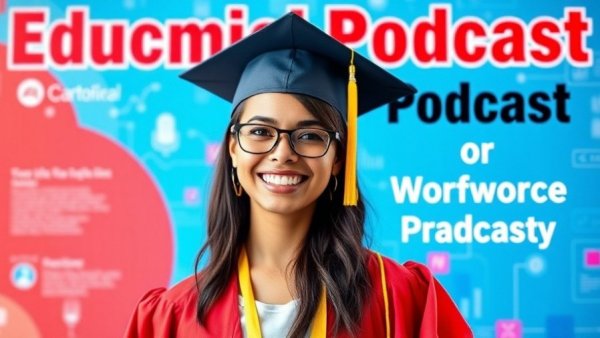
In today's fast-paced economy, the divide between educational systems and real-world job demands has become a growing concern. It’s no longer enough for students to memorize information from textbooks; what’s needed is innovation in skills that match today’s job market. The recent episode of the #ICTeaPodcast Season 2 Episode 2 dives deeply into this critical issue, posing a question that resonates with many: Are we being prepared for the workforce?
We came across #ICTeaPodcast Season 2 Ep 2, which covers the critical gap between education and real-world job preparation, and it raised some compelling points that we’re expanding on in this article.
Emerging Challenges into Educational Curriculums
The podcast sheds light on the inadequacies within our current education system, specifically in Uganda and much of East Africa, where traditional educational methods still dominate. With rising trends in artificial intelligence and technology, schools face the challenge of integrating these fields into their curriculum effectively. There is an urgent need for educators to merge theoretical knowledge with practical skills essential for emerging jobs. For instance, students must become proficient in coding, data analysis, and AI technology to stay relevant in the workforce.
Technology and Innovation Hubs: A Beacon of Hope
In Uganda, technology and innovation hubs are changing the landscape of youth education and employment. These hubs serve as incubators for young minds to develop practical skills through partnerships with local businesses and tech companies. Not only do they offer training programs tailored to real-world needs, but they also provide invaluable networking opportunities. For instance, a look into innovation centers in Kampala reveals a stark contrast to conventional teaching methods, where collaboration and hands-on experiences are prioritized over rote learning.
Facing the Reality of Hybrid Learning
The COVID-19 pandemic has accelerated a shift towards hybrid learning environments, blending traditional and online methods. However, as the podcast highlights, this shift also exposes gaps in access to learning technologies, particularly in remote areas of Uganda where internet connectivity remains a challenge. Moving forward, addressing these disparities will be crucial to ensure all students have equitable access to quality education that prepares them for the global workforce.
Engaging With Diverse Perspectives
As we critically analyze the current education system, it is vital to acknowledge diverse perspectives on the effectiveness of these models. Some argue that hands-on experience and internships provide the best preparation for students, while others believe that foundational knowledge is crucial for developing critical thinking skills. By integrating these differing views into policy discussions, stakeholders can create more comprehensive educational strategies that cater to varying learning styles.
Future Predictions: The Role of AI and Technological Integration
Though currently underrepresented in curricula, the future of education is poised to be significantly influenced by artificial intelligence. As industries adopt AI technologies, there will be an increasing need for professionals equipped with sophisticated technological skills. Schools must adapt quickly by incorporating AI-focused programs, ensuring students are not just consumers of technology but also influencers and creators. This proactive approach will help bridge the gap between education and employment, empowering a new generation of tech-savvy graduates ready to tackle real-world challenges.
Common Misconceptions About Job Readiness
A prevalent misconception is that success is solely determined by academic achievements. However, the podcast highlights that soft skills, such as teamwork, communication, and adaptability, are equally important in today's job market. Employers increasingly seek candidates who can demonstrate a practical understanding of technologies relevant to their industries, often valuing experience over grade point averages. Educators must convey this through their teachings to better prepare students.
Practical Insights for Educators and Stakeholders
Based on insights from the podcast, stakeholders should focus on a multi-faceted strategy: 1) Develop partnerships with local businesses to create internships; 2) Foster innovation hubs in educational institutions; 3) Embrace a flexible learning environment that encourages critical thinking; and 4) Incorporate technology tools that mirror real-world applications. Such strategies can help close the preparation gap and elevate graduates' readiness for today's job market.
As highlighted in the discussions from #ICTeaPodcast Season 2 Episode 2, it is crucial to assess how current educational practices align with workforce demands. Our youth’s future depends on making these necessary adaptations.



Write A Comment