

Finding Hope in Despair: A Journey of Action
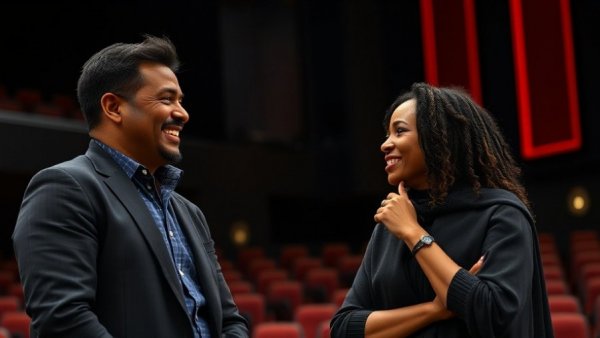
When faced with seemingly insurmountable challenges, how does one find the strength to not only press on but also inspire change in the world? This question is at the heart of the conversation between David Fajgenbaum and Kiah Williams, who both share their unique experiences in overcoming personal adversity to create positive impacts. Their stories encapsulate a powerful message: even when there seems to be nothing left to try, there is always a way forward.
In 'What to Do When You’re Told There’s Nothing Left to Try,' the discussion dives into the challenges of finding solutions during dire circumstances, sparking powerful insights on resilience and community action.
From Illness to Insight: How Adversity Fuels Change
David Fajgenbaum's journey began with a devastating diagnosis of Castleman disease, a condition that almost claimed his life. Rather than accepting defeat when doctors ran out of options, he became a patient advocate. He discovered the serendipitous power of off-label medications—drugs intended for other ailments that somehow helped him recover. His experience taught him that while the medical system may often appear rigid and unforgiving, new solutions could be found with determination and creativity.
Kiah Williams faced a different kind of challenge when her family fell apart and she fought against the precarious edge of poverty in West Philadelphia. Realizing that she was the only one who could change her circumstances, she propelled herself toward success, ultimately earning a scholarship to Stanford. Her determination to forge a better life for herself mirrors David's refusal to accept dire predictions about his health. Together, they demonstrate that it is often in our darkest moments that we find the resolve to advocate for ourselves and others.
Actionable Hope: Turning Despair into Solutions
Their conversation highlights an essential principle: motivation often follows motion. As Kiah said, even minimal steps toward personal goals can lead to breakthroughs. This concept is particularly relevant in healthcare, where many people struggle to access needed medications due to financial constraints. If we recognize that many innovative solutions can come from local communities and simple actions—a phone call to a legislator or a conversation with a neighbor—we begin to dismantle systemic barriers together.
David emphasizes the need for a vision to keep moving forward. He asserts that everyone has a responsibility to reflect on their hopes and wishes, as these sentiments can spotlight actionable steps toward change. When hope drives action, it can inspire a ripple effect—one individual's journey can encourage others to pursue their visions of better healthcare or fairer systems.
Connecting Community and Personal Action
Both David and Kiah encourage individuals to take charge of their personal narratives. They advocate for recognizing the importance of community support and high-impact small actions. As Kiah shares experiences from their organization Sirum, she illustrates how grassroots movements can generate real change—starting with simple inquiries and collaboration. It’s often the case that it just takes one concerned citizen to initiate impactful change.
On a broader scale, David's initiative, Every Cure, builds on this ethos by identifying repurposable drugs that can treat various conditions, often overlooked for profit-based reasons. They convey that the fight against illness isn't solely a personal battle, and by working together to advocate for underused medications, communities can harness a wealth of resources for patients in desperate need.
The Power of Choosing Hard Things
In closing, the overarching theme of their talk is the privilege—and challenge—of choosing to tackle difficult issues. Both Kiah and David recognize that facing life's challenges head-on can be daunting but also liberating. We live in a world filled with barriers, but acknowledging our capacity for choosing difficult pathways can lead to personal and communal breakthroughs. Every struggle represents an opportunity for growth, not just for the individual, but for society as a whole.
Their call to embrace life in overtime reiterates the broader message: we all possess the power to dream bigger and act more profoundly in service of our communities—even when it feels like all hope is lost. This powerful dialogue serves as a relationship reminder; finding solutions begins with us—a collective commitment to push boundaries and inspire others toward healing and progress.





Write A Comment