

Add Row
Add Element
Futuristic 3D logo with glowing light bulb, 'AI AFRICA' text, and chrome accents.
update
AI AFRICA DIGITAL PATHFINDERS
MAJESTIC MEDIA  APPLICATIONS
update
Add Element
  • Home
    • #Business & Event Spotlights
    • #AI TODAY & TOMORROW
    • #AI Africa Ethics
    • # AI CREATIVES AFRICA
    • #AI ECOSPHERE
    • AI Frontiers
    • AI Spotlights
    • AI History
  • Featured
    • AI Visionaries
    • AI Horizon
    • AI Success
  • AI Pioneers
    • AI Accelerators
    • AI Trailblazers
    • AI Policy
  • AI Africa now
  • AI Africa Kids
  • AI Hub
    • AI Ignitors
    • AI Educators
    • #AI KIDS AFRICA
  • #AI IN BUSINESS
  • #AI INSIDER
  • #AI SOVEREIGNTY AFRICA
  • AI Healthcare
June 08.2025
3 Minutes Read

Exploring the Intersection of Healing and Creativity in Art

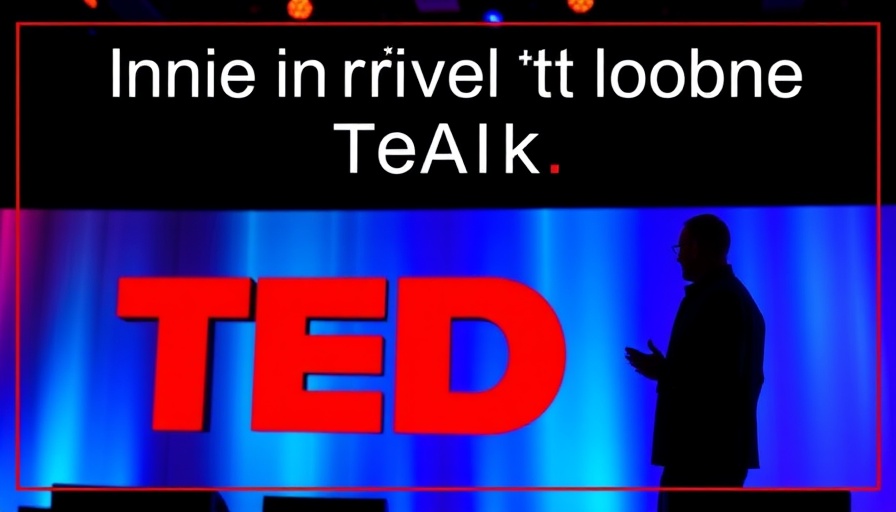
Inspirational TED talk on healing and creativity in art

The Healing Power of Creativity: A Conversation at TED

A recent TED conversation titled "A Doctor + a Cartoonist on Creativity and Healing" dives into the intersection of art and medicine. Through the exchange between a doctor specializing in pain and a cartoonist exploring humor, we discover how both disciplines can offer profound healing. This discussion highlights the universal themes of creativity, the power of expression, and how these elements intertwine in unexpected yet meaningful ways.

In 'A Doctor + a Cartoonist on Creativity and Healing,' the discussion dives into the intersection of art and health, unveiling key insights that warrant further exploration.

Exploring Art as a Healing Medium

The cartoonist in the video emphasizes that cartooning is unique because it encapsulates complex emotions with just a few lines. This capability allows the artist to explore a myriad of feelings like joy, sadness, and even nostalgia in a distilled and accessible form. Art, particularly cartooning, is not merely a medium of entertainment; it's also an avenue for personal exploration and emotional processing. By drawing upon personal experiences, the cartoonist delves into themes of grief and identity, directly suggesting that creativity serves a dual purpose—both as a way to connect with others and a method of self-healing.

Finding Stability in Changing Landscapes

Another intriguing aspect raised during the conversation is the idea of "home" and stability when faced with life changes. Both speakers recount their experiences of relocating and how these dramatic shifts can unsettle one's sense of self. The cartoonist’s exploration of his environment reflects a broader truth about human resilience. As he illustrates with his work, the idea of 'home' is not static; rather, it evolves with each place and moment. This evolution informs how we connect with others and how we heal from experiences that attempt to derail us.

Common Threads in Uncommon Spaces

The video also touches on the shared human experiences underlying both the medical profession and artistic endeavors. For instance, the doctor’s innovative work on a scale for measuring nausea pairs surprisingly well with the cartoonist’s exploration of laughter and emotional expressions. Both reveal a dedication to understanding what makes us human, whether through physical sensations of pain or through reflections of joy. This commonality suggests that whether we are creating or healing, the aim is similar: to connect, process, and ultimately, grow.

The Unseen Challenges of Creation

Yet, as both the doctor and the cartoonist acknowledge, there are underlying fears in their respective fields. The cartoonist expresses a fear of rejection and the desire for approval—common hurdles in any creative profession. The discussion touches on the internal struggle every artist faces: striving for excellence while grappling with self-doubt. This relationship to their work, characterized by a cycle of creation and critique, is particularly relevant in understanding how creativity allows for healing; it is a vehicle for understanding and acceptance.

Conclusion: Embracing the Intersection of Fields

The dialogue captured in "A Doctor + a Cartoonist on Creativity and Healing" offers valuable insights about the healing potential of creativity and the ways in which art and medicine can converse with one another. By embracing intersectional discussions like this, we expand our understanding of healing, reminding us that no matter the medium—be it through laughter or scientific inquiry—there are profound connections in the pursuit of wellbeing.

AI Hub

8 Views

0 Comments

Write A Comment

*
*
Related Posts All Posts

Explore Six AI Trends That Will Define 2026 and Their Impact

Update The Impact of AI Trends on Our Future The rapid advancement of artificial intelligence (AI) is reshaping various sectors, driving innovations that could redefine our interaction with technology by 2026. In the video, Top 6 AI Trends That Will Define 2026 (backed by data), insightful predictions backed by reputable sources such as McKinsey, Stanford, and OpenAI reveal how critical trends in AI are set to evolve. Here, we delve into some of these trends and explore tangible steps that individuals and businesses can take to adapt and thrive in this changing landscape.In 'Top 6 AI Trends That Will Define 2026 (backed by data)', the discussion dives into emerging trends in AI, sparking a deeper analysis of their implications for the future. Understanding the Data: Predictions You Can Trust While many AI predictions are speculative, the data-backed insights shared in the video emphasize the importance of relying on evidence when considering future developments. McKinsey's research, for instance, suggests significant advancements in AI's efficiency and effectiveness across industries. This fosters a more cautious yet optimistic outlook, allowing stakeholders to prepare actionable strategies rather than get swept away by unfounded hype. Six AI Trends Shaping 2026 The video outlines six prominent trends shaping the AI landscape over the next few years. Each trend presents a unique opportunity for businesses and individuals to engage with technology in innovative ways. Here are a few highlights: AI Democratization: Access to AI technology will become easier, allowing small enterprises to leverage its power similar to larger corporations. Human-AI Collaboration: As AI systems become more integrated into workflows, expect improved teamwork between humans and machines. AI in Healthcare: Enhanced diagnostics and personalized medicine are on the horizon as AI continues to evolve in the medical field. Actionable Steps to Adapt To capitalize on these AI trends, individuals and businesses should consider the following: Stay Educated: Continuously seek knowledge about new AI technologies and their application in specific fields. Invest in Training: Equip your team with the skills necessary to work alongside advanced AI tools. Embrace Innovation: Foster a culture of innovation within your organization that encourages the exploration of emerging technologies. Looking Towards the Horizon The insights presented in the video are not just trends; they symbolize a shift in how we will engage with technology moving forward. By understanding these trends and taking proactive steps, we can position ourselves—both personally and professionally—to benefit from the advancements in AI.

Unlocking the Power of Gemini 3.0: Your Guide to Enhanced Work Efficiency

Update Understanding Gemini 3.0: A Leap Forward in Work EfficiencyThe release of Gemini 3.0 marks a significant milestone in the evolution of artificial intelligence tools designed to enhance work productivity. In the past, complex software often required extensive training and adaptation, which inhibited immediate user engagement. However, Gemini 3.0 focuses on streamlining user experience while integrating sophisticated AI capabilities, making it easier than ever for professionals to adopt and leverage cutting-edge technology in their daily tasks.In 'Master Gemini 3.0 for Work in 12 Minutes (2026)', the video delves into key functionalities of this AI tool, unveiling how it can reshape workflows and work environments. Key Features That Set Gemini 3.0 ApartOne of the standout features of Gemini 3.0 is its multi-modal interpretation, allowing users to engage with the software through various methods, including text and voice input. This versatility caters to different preferences and enhances user interaction. Additionally, the introduction of context-aware suggestions allows users to receive real-time assistance tailored to their specific tasks, optimizing workflow and minimizing downtime.The Human Factor: Meeting Workplace NeedsWhile technology plays an integral role in workplace efficiency, the ability to adapt AI tools like Gemini 3.0 to meet human needs is crucial. As highlighted in the recent video tutorial, the AI is built to support user preferences, thereby reducing the learning curve often associated with new technology. This shift emphasizes the increasing importance of the user experience in AI product development.Future Implications: Transforming Work DynamicsLooking ahead, the impact of AI tools such as Gemini 3.0 on workplace dynamics may be profound. As organizations increasingly embrace AI, they may find themselves rethinking traditional workflows and job roles. This advancement opens the door for new kinds of collaboration, where humans and machines work side by side to enhance productivity and creativity.Is Your Workplace Ready for AI Integration?As businesses consider integrating AI into their operations, it’s essential to assess the readiness of their infrastructure and workforce. The shift towards AI-driven solutions necessitates training and adaptation not just concerning technology but also organizational culture. Ensuring that team members are comfortable with and understand these new tools is vital for successful implementation.Conclusion: Embrace the AI FutureThe discussion surrounding Gemini 3.0 offers a glimpse into the future of work. By understanding its capabilities and implications, businesses can strategically position themselves to leverage AI for competitive advantage. While the technology holds incredible promise, the successful adoption hinges not just on the software but on a holistic approach that incorporates people, processes, and technology.

Unlocking AI Potential: Move From Literacy to Native AI Workflow

Update Understanding AI Engagement: Levels of Proficiency Artificial Intelligence (AI) is increasingly reshaping the way we work, plan, and execute tasks across industries. Within this transformation, individuals typically display one of three levels of AI engagement: AI curious, AI literate, and AI native. Those who fall into the AI curious category tend to rely on free-tier AI tools and engage with chatbots primarily when prompted. On the other hand, the AI literate group actively invests in AI resources, maintains a meticulously organized prompts database, and knows when and how to leverage various AI features effectively. In 'Give Me 9 Minutes, I'll Make You AI-Native', the discussion dives into how to enhance AI engagement, exploring key insights that sparked deeper analysis on our end. This article focuses on the journey from AI literate to AI native where individuals fully integrate AI tools into their workflows. The insights gained from these levels highlight that a considerable number of professionals currently operate at level two, suggesting a need for strategies to break through to the next level of productivity by adopting specific habits. Leave AI Breadcrumbs: Where Organization Meets Productivity The first strategy is "leaving AI breadcrumbs." This means rather than viewing AI interactions as transient moments, users should effectively document their dialogues with AI tools by linking them directly within relevant workspaces, such as a Google Doc. By doing this, professionals can quickly reference previous conversations when needed. This simple habit enhances productivity by keeping AI interactions readily accessible and contextually aligned with ongoing projects. Every time you engage in an insightful conversation or receive valuable output, hyperlink it to the related document. Contextual notes next to each link help maintain clarity over time. Build an AI Swipe File: The Power of Curation The second habit involves creating an AI swipe file system—a curated collection of high-quality examples. Instead of prompting your AI with generic instructions, start by referencing specific projects or documents that exemplify quality. For instance, beyond merely asking your AI to draft a business proposal, you can share expert examples from your swipe file and instruct the AI to analyze them. Not only does this method create stronger outputs, but it also saves precious time by enabling the AI to produce tailored content based on proven patterns. AI-First Task Planning: Define and Delegate Moving on to more advanced strategies, the third habit is known as AI-first task planning, a systematic approach to project management. By outlining your tasks before commencing work, you can strategically assign responsibilities, determining which tasks can be tackled manually and which can be handled by AI. This foresight reduces decision fatigue and significantly streamlines workflows. Imagine breaking a complex project into microtasks: by identifying which segments are ideal for AI integration ahead of time, you enhance both quality and efficiency in your output. The Importance of a Prompts Database for Continuous Improvement As you integrate these habits into your working life, creating a prompts database becomes crucial. This central repository will allow you to save effective prompts that have previously yielded quality results. It's essential to maintain an organized library, making it easy for you to retrieve battle-tested prompts when needed. This database will ultimately streamline your interactions with AI and ensure that the quality remains consistent. The aforementioned habits embody steps towards achieving an AI-native workflow. Whether you are an AI curious novice or someone already stepping into AI literacy, these strategies can propel you toward maximizing your productivity and leveraging AI’s full potential. AI isn’t just a tool—it’s an evolving partner in the professional landscape that requires adaptation and refinement.

Terms of Service

Privacy Policy

Core Modal Title

Sorry, no results found

You Might Find These Articles Interesting

T
Please Check Your Email
We Will Be Following Up Shortly
*
*
*