
Imagine a digital future where every African story, tradition, and language thrives alongside cutting-edge technologies, not lost to time but preserved, celebrated, and accessible globally thanks to African Language AI.
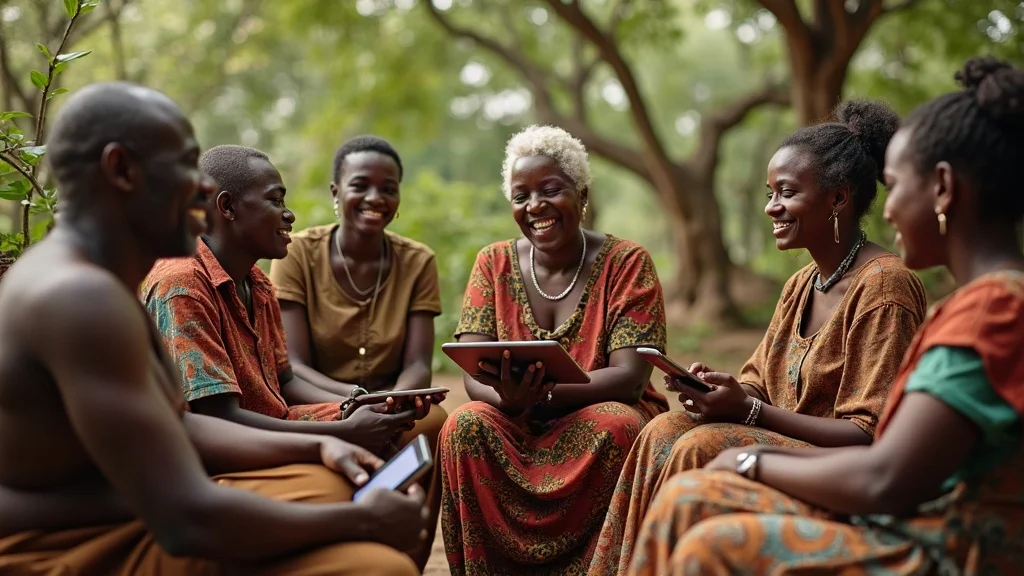
African Language AI: Revolutionizing the Preservation of Heritage
African language AI sits at the heart of a technological revolution, reshaping how cultural treasures and indigenous knowledge pass to future generations. With more than 2,000 languages across the continent, each is a living storehouse of history, proverbs, oral literature, and social values. For decades, technology protecting heritage was limited by a lack of digital tools that understood or could process African languages and dialects. Today, advances in machine learning and natural language processing break down those barriers, allowing AI systems to transcribe, translate, and even revive languages that risk extinction.
The true strength of African language AI comes from its focus on both preserving and promoting African voices in a rapidly globalizing world. By digitizing oral traditions and crafting accessible archives, these technologies make heritage available not only to local communities but to scholars, students, and the curious around the globe. This shift empowers younger generations to connect with their roots while giving older generations a voice in the digital era—ensuring Africa’s stories are never silenced or lost amid waves of rapid modernization.
How African Language AI Empowers Heritage Protection Technologies
Artificial Intelligence in Africa is not just a tool for translation or transcription; it’s an engine for social impact and cultural resilience. Many initiatives embed local dialects into digital products, making them relevant and relatable. For example, African language AI helps catalog and make available centuries-old oral literature, folk tales, and proverbs that previously only existed through spoken word. As communities contribute content for technology protecting heritage, they play an active role in shaping both the technology and their own representation.
Additionally, multilingual AI assistants and chatbots developed for African markets offer practical help with education, business, and healthcare in local languages. They ensure people can access important services in their mother tongue, preserving not just the language but the knowledge and wisdom it carries. This participatory approach anchors digital progress in authenticity and inclusivity, which is essential for meaningful heritage protection.
For those interested in how AI-driven tools can simplify complex digital processes, it's worth exploring how artificial intelligence is also transforming website creation. Discover practical ways to leverage AI for streamlining your WordPress site development, making technology more accessible for diverse users and communities.
“African Language AI is key to unlocking a digital future rooted in cultural authenticity and resilience.”
What You’ll Learn About African Language AI and Technology Protecting Heritage
- The impact of African language AI on cultural preservation initiatives
- Ways technology protecting heritage is reshaping education and digital archives
- Leading AI projects revitalizing African languages in modern tech
- Future challenges and opportunities for African language AI
The Role of African Language AI in Technology Protecting Heritage
Digitising Oral Traditions Using African Language AI
For centuries, Africa’s richest knowledge—myths, epics, songs, and proverbs—has been passed down orally. Yet as elders pass, and urbanization accelerates, much of this knowledge is at risk of fading away. Here, African language AI emerges as a lifeline. By leveraging speech recognition and synthesis tools tailored to African vernaculars, researchers and communities can now capture, transcribe, and archive oral storytelling with stunning accuracy.
More than just text conversion, these AI-driven efforts create searchable archives and build digital libraries where anyone can relive a legendary tale from their village or region. Equally important, they make it possible to keep endangered languages alive and vibrant, inspiring young Africans to learn and communicate with pride in their native tongues. Technology protecting heritage isn’t just about saving words—it’s about preserving context, emotion, and wisdom for the next generation.

AI-Powered Heritage Archives: A New Era of Access
The use of artificial intelligence has transformed static archives into dynamic, accessible databases. Heritage institutions and libraries are now digitizing artifacts, manuscripts, and audio collections, employing African language AI to catalog, tag, and cross-reference materials by language, region, and subject. Automated translation widely expands accessibility, letting users query vast repositories in their preferred languages.
Not only does this support repatriation efforts—returning knowledge to its source communities—but it also democratizes access. A school in rural Kenya can now explore ancient Gikuyu proverbs alongside a student in Lagos interested in Yoruba music. Technology protecting heritage in this way becomes a collaborative effort, inviting users from all walks of life to participate in Africa’s living history.
Watch: Spotlight on African Language AI—Real-Life Applications in Heritage Conservation
Table: Key African Language AI Projects Transforming Heritage Technology
| Project Name | Language(s) Targeted | Purpose | Impact |
|---|---|---|---|
| Masakhane | Multiple African languages | Machine translation open research | Increased language accessibility |
| Ilifu | isiZulu, isiXhosa | Speech synthesis and recognition | Preserving oral heritage |
| Bantu Languages Digital Library | Bantu family languages | Digital archiving | Conservation and education |
Lists: Benefits of African Language AI for Technology Protecting Heritage
- Broader access to indigenous knowledge and stories
- Improved representation of African context in global AI models
- Strengthened identity and pride in African heritage
- Preservation of endangered languages for future generations

Challenges African Language AI Faces in Technology Protecting Heritage
Limited Digital Resources and Data
One significant challenge is the scarcity of digitized materials in many African languages. Unlike global languages such as English or Chinese, which have vast digital footprints, most African languages have minimal published content, data sets, or audio samples suitable for training advanced AI systems. This lack limits the quality and reach of AI applications designed for heritage protection, requiring labor-intensive manual data gathering and annotation.
The process of collecting oral narratives, scanning traditional texts, and transcribing them accurately demands collaboration between linguists, community elders, and technologists. While crowdsourcing and open-source platforms are starting to fill these gaps, the journey toward robust African language AI models is ongoing and relies on broad-based participation.

Infrastructure and Accessibility Barriers
Another key hurdle is the inconsistency of digital infrastructure across Africa’s vast regions. High-speed internet, powerful computing resources, and affordable smart devices remain beyond the reach of many rural and peri-urban communities. As a result, technology protecting heritage sometimes benefits city dwellers more than those in remote villages—ironically, where the oldest and richest traditions still reside.
To bridge this gap, tech developers are devising offline-enabled apps, lightweight AI, and partnerships with community organizations to extend digital heritage protection beyond urban centers. The future of African language AI relies heavily on investment in internet access, mobile technology reach, and tech education for all.
Watch: African founders and coders discuss how AI protects and celebrates African culture and language.

People Also Ask
How is African language AI being used to protect cultural heritage?
African language AI is used in numerous ways to safeguard cultural heritage, from digitizing oral traditions and traditional stories to creating searchable archives of local proverbs, songs, and practices. By translating and documenting endangered languages, AI makes it possible for future generations to reconnect with their roots and for the world to appreciate Africa's diversity. These efforts help communities celebrate their identities and ensure that unique languages and narratives continue to inform education and culture globally.
What are the current limitations of African language AI technology?
Current limitations include lack of large, quality data sets for many African languages, limited computational resources in rural areas, and sometimes insufficient funding or skills for local development. Many projects still rely on manual data collection and community involvement to build out language models. As infrastructure improves and more people get involved, these barriers are slowly being overcome, making technology protecting heritage more inclusive every year.
How does technology protecting heritage impact African communities?
AI-driven technology protecting heritage empowers African communities by giving them a platform to share, preserve, and celebrate their cultural identities. It fosters new educational opportunities, supports local arts and traditions, and encourages youth to learn their native languages. Perhaps most importantly, it creates spaces for communities to define how their heritage is archived and shared, building pride and ownership in an increasingly digital world.
FAQs on African Language AI and Technology Protecting Heritage
-
Which African languages are most supported by AI projects today?
Most progress has been made with larger languages such as Swahili, isiZulu, Yoruba, and Hausa, but efforts are rapidly expanding to include dozens of indigenous languages through open AI collaborations. -
How are local communities involved in developing African language AI?
Local speakers, storytellers, and linguists contribute recordings, annotation, and data, while community consultations ensure the technology respects cultural nuance and priorities. -
Can technology protecting heritage revive extinct or endangered languages?
While entirely reviving extinct languages is challenging, AI can accelerate the revitalization of endangered languages by documenting existing knowledge and supporting new learning tools for young generations.
Key Takeaways: African Language AI Empowering Technology Protecting Heritage
- African language AI is critical for digital heritage preservation.
- Community-led AI innovation fosters inclusive heritage protection.
- Future advancements depend on investment and infrastructure expansion.
As you reflect on the transformative power of African language AI in preserving heritage, consider how these innovations are part of a broader movement to make technology more intuitive and inclusive for all. Whether you’re a founder, educator, or digital enthusiast, embracing AI-driven solutions can open new doors for creativity and connection. If you’re curious about how artificial intelligence can further streamline your digital projects, from heritage archives to modern website creation, explore the possibilities with tools designed to simplify your workflow. Take the next step and see how AI can empower your vision—discover more about building smarter, more accessible websites with AI-powered WordPress solutions and join the movement shaping Africa’s digital future.
Explore More: Join a Thriving Community of African Founders Using AI
Join thousands of African founders learning how to work smarter with AI. Get started now!
To further explore the transformative role of African language AI in preserving cultural heritage, consider the following resources:
-
“African languages, the blind spot of AI”: This UNESCO article discusses the challenges and initiatives related to integrating African languages into AI systems, highlighting the importance of linguistic diversity in technology. (unesco.org)
-
“Breaking the Linguistic Barrier: Masakhane Hub Launches Bold Initiative to Bring African Languages into the AI Era”: This article details the Masakhane Hub’s efforts to incorporate 50 African languages into AI, aiming to end the digital exclusion of over one billion speakers. (aireports.africa)
These resources provide valuable insights into the ongoing efforts to integrate African languages into AI, ensuring that technological advancements are inclusive and reflective of Africa’s rich linguistic heritage.



Write A Comment