

Understanding the OWASP LLM Top 10: Key Risks Unveiled
The much-anticipated OWASP Top 10 for LLM (Large Language Model) applications has been released, revealing critical insights on the evolving landscape of AI security. As defenders face growing threats, the report acts as a vital resource for organizations seeking to navigate the complexities of AI governance. Among the notable findings, prompt injection remains the top risk, a problem that highlights AI's vulnerabilities, but there are new dynamics that every organization must understand.
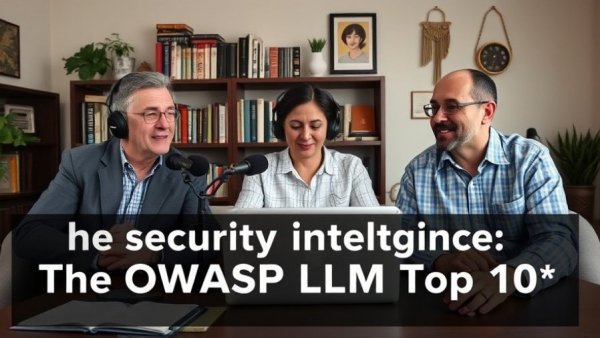
In 'The OWASP LLM Top 10 has a few surprises for you', the discussion dives into critical insights regarding AI security risks, prompting us to analyze its implications for governance frameworks in Africa.
Prompt Injection: The Ever-Present Threat
With prompt injection being ranked the number one risk for the second consecutive year, organizations are urged to prioritize its detection and mitigation strategies. This tactic exploits the LLM's ability to generate content by manipulating its input prompts, making it a significant threat in any application that interacts with users. The OWASP findings underscore a worrying trend – while practitioners recognize the risk, real incidents seem less prevalent, possibly due to robust defenses that successfully prevent attack attempts.
Excessive Agency: A Rising Concern
Interestingly, the third-place ranking for excessive agency signals a growing recognition of the risks posed by autonomous AI agents. As AI systems increasingly make decisions without human oversight, the potential for misuse increases. These agents operate much like privileged accounts, and if compromised, they can access sensitive information and take actions detrimental to organizations. The ever-expanding capabilities of AI platforms necessitate a reassessment of existing security protocols.
The Need for Tabletop Exercises in AI Governance
Panelists from the discussion recommend using the OWASP Top 10 as a foundation for tabletop exercises, facilitating proactive planning among cybersecurity professionals. Organizations should simulate attack scenarios to determine whether they can identify, contain, and understand the actions taken by compromised agents. This practical approach provides critical insights into preparedness and emphasizes that knowledge of risks alone isn't sufficient; organizations must also evaluate their responses to potential threats.
Bridging the Gap Between Practitioner Insights and Data
The OWASP report reveals discrepancies between what cybersecurity professionals worry about versus the actual incidents occurring in the field. While prompt injection demands attention, misinformation can lead to significant operational risks, escaping the checklist mentality of simply identifying top risks. Both panelists stress the importance of not just cataloging threats but effectively addressing them in a business context.
Future Directions: Cyber Resilience and AI Governance
As organizations face the increasing complexity of AI applications, panelists agree that there is a critical need for a more resilient cybersecurity architecture. Cyber resilience focuses on preparing for breaches rather than merely preventing them. By embracing the idea that breaches will happen and developing robust response mechanisms, organizations can better manage threats presented by AI systems, ensuring that they can recover quickly without significant damage.
Call to Action: Elevating AI Governance Across Africa
For African business owners and stakeholders in technology, understanding these risks is crucial as we advance in the AI landscape. It’s imperative to create comprehensive AI policy and governance frameworks tailored to local contexts. In doing so, we not only enhance security but also foster ethical AI development that benefits everyone.
Explore the OWASP's findings and consider your organization’s ability to not only prepare for but also respond to these emerging risks. Engage with experts and prioritize the development of AI governance policies to ensure that Africa emerges as a leader in secure AI technology.





Write A Comment