

Futuristic 3D logo with glowing light bulb, 'AI AFRICA' text, and chrome accents.
AI AFRICA DIGITAL PATHFINDERS
MAJESTIC MEDIA  APPLICATIONS
  • Home
    • #Business & Event Spotlights
    • #AI TODAY & TOMORROW
    • #AI Africa Ethics
    • # AI CREATIVES AFRICA
    • #AI ECOSPHERE
    • AI Frontiers
    • AI Spotlights
    • AI History
  • Featured
    • AI Visionaries
    • AI Horizon
    • AI Success
  • AI Pioneers
    • AI Accelerators
    • AI Trailblazers
    • AI Policy
  • AI Africa now
  • AI Africa Kids
  • AI Hub
    • AI Ignitors
    • AI Educators
    • #AI KIDS AFRICA
  • #AI IN BUSINESS
  • #AI INSIDER
  • #AI SOVEREIGNTY AFRICA
  • AI Healthcare
June 18.2025
12 Minutes Read

Artificial Intelligence Africa: The Future Is Here

Did you know Africa’s AI market is projected to exceed $10 billion by 2030, outpacing global averages in growth rate? Once considered a latecomer, artificial intelligence Africa is now leading a technological renaissance. From bustling urban tech hubs to inventive rural applications, AI is infusing new energy into traditional sectors and rewriting the future. This article takes you inside the continent’s AI revolution—with fresh insights, real use cases, and bold opinions on opportunities and obstacles ahead.

Unveiling the Impact: Artificial Intelligence Africa’s Unconventional Rise

vibrant African urban tech hub with diverse professionals collaborating in artificial intelligence Africa
  • Discover the latest trends and breakthroughs in artificial intelligence Africa, and how emerging tech is reshaping the continent’s future.

  • Learn about real-world AI use cases and solutions across sectors driving local and global innovation.

  • Understand barriers, investments, and policies shaping artificial intelligence in Africa.

The acceleration of artificial intelligence Africa represents more than adopting global AI systems; it’s about homegrown ingenuity unleashing new potential. The continent’s tech scene is alive with emerging technologies: from AI-powered weather tools that safeguard farmers’ livelihoods, to fintech leapfrogging traditional banking with machine learning fraud detection, to robust AI research hubs in South Africa and Nigeria. Despite barriers like data scarcity and infrastructure gaps, a bold local ecosystem is evolving—defying the narrative that Africa simply “catches up.” Instead, we’re witnessing the rise of African AI models uniquely tuned to local challenges, languages, and cultures.

Investments are surging, policymaking is intensifying, and AI strategy discussions now sit at the heart of economic and social development planning. Forward-thinking governments and the private sector are collaborating on responsible AI regulation, while a new generation of African technologists is steering innovation. The impact? Solutions born on the continent are already influencing the global economy, setting the stage for Africa to be a leading voice in defining what ethical, effective, and equitable AI should look like worldwide.

Pioneering Emerging Tech: Artificial Intelligence Africa Leading Innovations

Rewriting the Narrative: Africa’s Approach to Artificial Intelligence
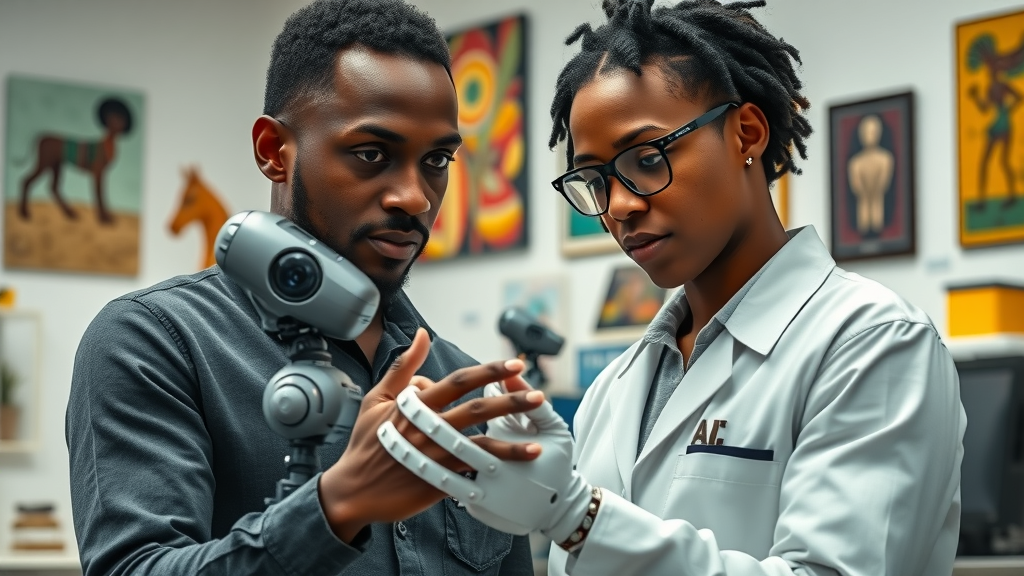
inspiring African AI researchers reviewing robotics prototype in artificial intelligence Africa research laboratory

For too long, the conversation about artificial intelligence and emerging tech in Africa was tinged with skepticism—a focus on lack and dependency. Today’s reality is far more inspiring. African innovators are not just importing AI tools; they’re building AI solutions for African contexts. This includes language models that understand Swahili, Yoruba, and hundreds of African languages, as well as machine learning applications designed for local climate data, public health, and resource management. Such efforts demonstrate a fundamental shift in narrative: Africa is moving from being a consumer of AI systems to a creator and global contributor.

Emerging tech hubs in urban centers like Nairobi, Lagos, Cape Town, and Kigali reflect this evolution. These entrepreneurial spaces are powered by youthful energy, cross-continental collaboration, and partnerships with leading AI research institutions. By focusing on both technical excellence and cultural relevance, African AI pioneers are establishing a unique voice in the worldwide AI ecosystem—one that is deeply rooted in local realities, yet influential on the global stage.

Case Studies: AI Solutions Transforming African Industries

Across the continent, AI solutions are dramatically disrupting traditional industries. In agriculture, for instance, startup FarmDrive uses machine learning to assess credit risk among smallholder farmers, enabling access to financing—previously a massive barrier to growth. In healthcare, mPharma utilizes predictive analytics to optimize drug inventory, reduce costs, and improve care in under-resourced clinics. Fintech leaders like Flutterwave and Carbon deploy AI models for real-time fraud detection, bringing financial safety and inclusion to millions across African countries.

The most exciting aspect is that these ai use cases often emerge from direct engagement with local communities. By focusing on tangible societal challenges—youth unemployment, food security, climate adaptation—African entrepreneurs and researchers are proving that AI isn’t just an imported buzzword. It’s a set of tools and strategies with real impact, anchored in the continent’s development goals.

Video: How Artificial Intelligence Africa is Disrupting Traditional Sectors

Explore video interviews and documentaries spotlighting AI-powered transformations in African industries. Hear firsthand from technologists, business owners, and policy makers about how AI tools and models are reshaping agriculture, education, healthcare, and energy across Africa.

Diverse Use Cases: Artificial Intelligence Africa Changing Lives
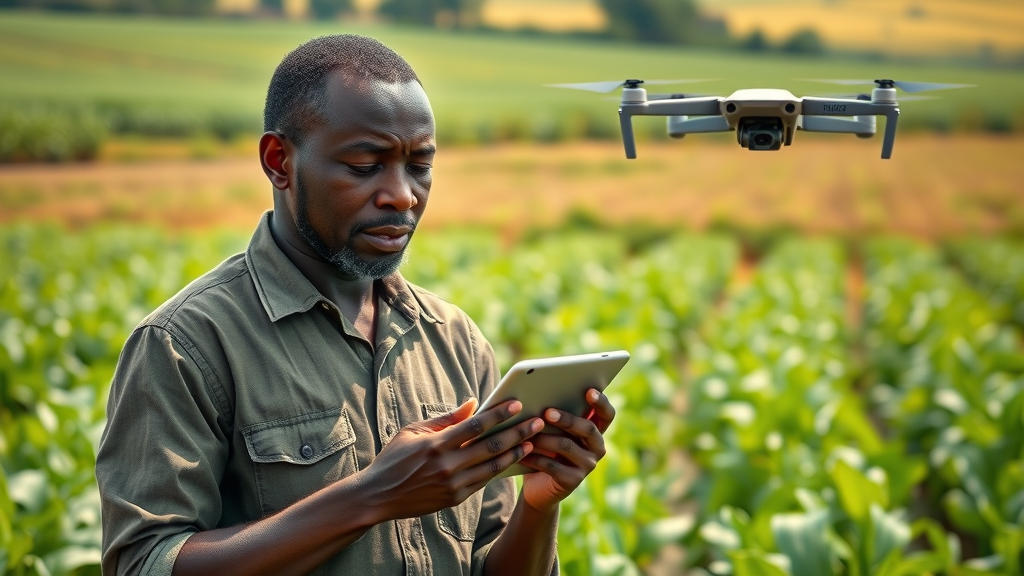
dynamic African farmer with AI-powered drone for smart agriculture in artificial intelligence Africa

AI Use Cases in Healthcare, Agriculture, and Finance

  • Telemedicine solutions overcoming rural healthcare gaps

  • AI-powered weather prediction for smart agriculture

  • Fraud detection through machine learning in fintech

The diversity of AI use cases emerging across Africa is staggering. Telemedicine platforms —powered by natural language processing and AI-powered diagnosis—are transforming healthcare access in rural communities. Tools like Babyl Rwanda are connecting patients with doctors through chatbots and video, dramatically reducing travel and waiting times. In agriculture, AI models are fueling precision farming—drones monitor crop health, and weather prediction algorithms help farmers anticipate droughts and floods, optimizing yields and reducing losses. In the fintech sector, machine learning and pattern recognition drive fraud prevention at scale, protecting millions of digital payments daily.

This multi-sectoral impact is further amplified by projects that leverage AI to process and preserve local languages and indigenous knowledge. Moreover, these use cases are not limited to big cities. In remote communities, resourceful uses of AI tools—such as solar-powered sensors or automated early warning systems for epidemics—show the depth of Africa’s innovative spirit.

Table: Top AI Use Cases in African Markets

Sector

AI Use Case

Impact

Agriculture

AI weather prediction, crop health monitoring, smart irrigation

Higher yields, climate resilience, reduced food insecurity

Healthcare

Telemedicine, diagnosis support, pandemic modeling

Improved rural access, disease control, healthier outcomes

Finance

Fraud detection, credit scoring, digital banking

Financial inclusion, reduced transaction risk

Education

Adaptive e-learning, local language content generation

Better learning outcomes, wider access

Natural Resources

Wildlife monitoring, climate risk analysis

Sustainable development, conservation success

Building Blocks: Artificial Intelligence Africa Driving Research and Development

ambitious African students brainstorming AI research and development in artificial intelligence Africa

Accelerating AI Research and Local Talent Development

Robust AI research is at the heart of Africa’s transformation. Top universities and local research institutes have launched specialized AI labs, incubators, and academic consortia. These efforts are not just producing new ai models ; they are nurturing local talent through mentorships, hackathons, and pan-African conferences. Programs like the African Masters of Machine Intelligence, launched by the African Institute for Mathematical Sciences, are creating a pipeline of highly skilled professionals leading Africa’s AI evolution.

Local R&D investments have led to uniquely African ai solutions : conservation AI for tracking endangered species, custom language models serving dozens of African languages, and predictive analytics for urban planning. This organic growth ensures artificial intelligence Africa has roots in community needs and is less dependent on imported algorithms or datasets that may not fit the local context.

Quote: Insights from a Leading African AI Researcher

“Africa’s strength lies in our unique problems—by building AI tools born from local context, we become contributors, not just consumers, in the global AI revolution.” — Dr. Mary Okwu, AI Research Lead, Lagos Innovation Lab

AI Laboratory Initiatives and Academic Partnerships

African universities are forming global partnerships with tech giants and elite institutions, bringing world-class expertise to foster ai development and joint research. Notable initiatives include Google’s AI research center in Ghana, the Deep Learning Indaba movement, and the African Union’s push for a continental AI strategy . These efforts not only share knowledge, but also ensure research is translated into practical ai solutions for local impact.

Academic exchanges and tech incubators also fuel the emergence of startups working on AI use cases in education, health, agriculture, and urban management. The focus on both developing talent and keeping innovation close to home sets Africa apart as a hotbed for sustainable, high-impact AI.

The Business Landscape: Artificial Intelligence Africa and Emerging Technologies

Growth of AI Solutions and Startups Across Africa

The explosion of ai solutions and startups across African countries is a testament to the continent’s entrepreneurial spirit. In just a few years, a dynamic AI startup scene has taken hold, tackling everything from logistics optimization to digital identity verification. Lagos, Nairobi, Cairo, and Johannesburg are recognized as leading emerging tech clusters.

  • List: Notable African AI Startups Revolutionizing Markets

    • mPharma (Ghana): AI-powered drug inventory and health supply chain

    • FarmDrive (Kenya): Machine learning credit evaluations for smallholder farmers

    • DataProphet (South Africa): Industrial AI for manufacturing automation

    • Flutterwave (Nigeria): Fraud prevention for digital payments

    • Instadeep (Tunisia): AI solutions for logistics, mobility, and biotech

These innovators leverage both local and global capital, form partnerships with multinational companies, and bridge the gap between technical research and applied markets. Their solutions form a vital part of the growing ai ecosystem underpinning Africa’s future.

Challenges in Scaling AI Solutions for Local Impact

determined African entrepreneur presenting AI app at technology startup event in artificial intelligence Africa

Despite the buzz, scaling AI solutions to benefit broader populations faces hurdles. Infrastructure gaps, inconsistent connectivity, and limited access to large-scale data often hamper development. Building trust in AI tools, especially where digital literacy is low, is another challenge—one that requires both technology and thoughtful community engagement.

Funding constraints and regulatory uncertainty slow the journey from AI research to real-world deployment, particularly for startups. Bridging the gap between academic breakthroughs and market-ready products takes collaboration across the public and private sectors—and a willingness to invest in long-term, inclusive growth.

Investment Trends and Funding in AI Development

Investment in ai development is accelerating, with venture capital, development agencies, and corporate incubators getting bullish on African talent. Recent years have seen record-breaking AI rounds in fintech, healthtech, and agtech, as well as a surge in pan-African funds focused on emerging technologies. South Africa, Nigeria, Egypt, and Kenya consistently attract the lion’s share of funding, but new hotspots are emerging across other African countries.

The trend is clear: stakeholders increasingly recognize that sustainable economic growth and global competitiveness depend on nurturing a robust, innovative ai ecosystem .

Responsible AI: Ethics, Bias, and Social Impact in Artificial Intelligence Africa

thoughtful African policymakers and technologists discussing AI regulation and social impact in artificial intelligence Africa

Addressing Bias and Culturally-Rooted Ethical Challenges

The opportunity for transformative change in artificial intelligence Africa comes with a deep responsibility. Bias in AI models can perpetuate harmful stereotypes or exclude entire communities if not addressed consciously. Mitigating this risk means training ai systems on diverse African datasets and embedding local context—be it language, culture, or history—into technical design.

African technologists and policymakers are leading the call for ethical, transparent ai solutions . Beyond technical fixes, there is growing attention to how AI applications protect privacy, respect user rights, and serve development goals. As the AI ecosystem matures, these issues will sit at the heart of policy agendas across the continent.

Policy Making for Sustainable AI Solutions

Proactive governments are drafting AI regulation that balances innovation with societal protection. From Kenya’s National AI Policy to Rwanda’s ambitious data strategy, policymakers are learning from global AI standards while emphasizing homegrown value. New frameworks encourage responsible AI development, investment in local talent, and ethical deployment in sectors such as health, education, and finance.

In this collaborative environment, the voice of the African Union and regional bodies is rising, shaping not just local but continental AI strategy—ensuring Africa’s place at the global table in defining responsible emerging technologies.

Quote: African Policymaker on AI Regulation

“Africa must lead with its values as we enter the global AI economy. Responsible AI means crafting policies that put people, culture, and social progress first.” — Hon. Samuel Moyo, Chairperson, African AI Policy Taskforce

People Also Ask: Artificial Intelligence Africa’s Most Common Questions

Is there AI in Africa?

  • Africa is home to a booming AI scene, including research hubs, tech accelerators, and local innovators driving adoption in diverse sectors.

Absolutely. Artificial intelligence Africa is one of the continent's most exciting growth domains. There are research hubs, technology accelerators, and a growing number of startups pioneering AI tools and models fit for African challenges. Key cities such as Nairobi, Lagos, and Cape Town are recognized globally for their innovation, with cross-sector adoption accelerating across health, agriculture, education, and more.

Which country has the most artificial intelligence?

  • South Africa and Nigeria lead in AI research and startup activity, while Ghana and Kenya are emerging as regional AI powerhouses.

South Africa is a regional heavyweight thanks to its strong university system and thriving startup scene. Nigeria matches that with its scale and entrepreneurial networks. Ghana and Kenya are bolstering their positions by prioritizing AI education, research, and supportive policies, setting themselves up as continental leaders as well.

How far behind is Africa in technology?

  • While Africa faces infrastructure gaps, the continent is accelerating adoption, leapfrogging legacy systems and promoting AI for social impact.

The perception of Africa being “behind” is increasingly outdated. True, there are infrastructure gaps—but the continent’s rapid embrace of mobile, cloud, and now AI has enabled leapfrogging. Many African countries are harnessing emerging tech to address societal needs—often outpacing global economies in the speed of innovation for social good.

Which African countries have AI strategy?

  • South Africa, Rwanda, Ghana, and Egypt have active government strategies and AI task forces supporting responsible AI growth.

South Africa, Rwanda, Ghana, and Egypt have formal AI strategies and national taskforces focused on ethical, local, and scalable AI development. Several other African countries are drafting or implementing frameworks, often in partnership with multilateral agencies and global tech companies.

Artificial Intelligence Africa: Key Challenges and Opportunities Ahead

Overcoming Infrastructure Gaps and Data Scarcity

resourceful African IT specialists installing solar-powered servers for artificial intelligence Africa

Infrastructure hurdles and data scarcity remain the biggest obstacles to inclusive artificial intelligence Africa . Limited broadband connectivity, high hardware costs, and sparse digital records hamper the ability to build robust ai models . Yet, creative solutions are closing the gap: solar-powered data centers, mesh networks, and crowd-sourced datasets are helping to democratize access.

International partnerships, government incentives, and technology transfer agreements are critical. By combining local data with powerful global AI resources and open-source tools, African researchers and startups are inventing new ways to achieve scalable impact.

Vision for an Inclusive AI Ecosystem in Africa

The next decade offers an opportunity to build an inclusive ai ecosystem that leaves no one behind. This means investing in education from primary to postgraduate levels, supporting women and minority groups in ai research , and centering community voices in the design of new ai tools .

By making AI truly reflective of Africa’s diversity, policymakers, educational leaders, and technologists can ensure technology becomes a force for sustainable development, equitable growth, and social justice.

Video: Future Opportunities – African AI Leaders Speak

Watch established and emerging AI leaders share their perspectives on the future. Their discussions cover AI education, private sector innovation, and how Africa can lead in responsible AI for the global economy .

Frequently Asked Questions about Artificial Intelligence Africa

  • Can AI address Africa’s youth unemployment crisis?

  • What are the risks of artificial intelligence Africa adoption?

  • How can African startups compete in the global AI space?

  • Where are the best resources for AI education in Africa?

Can AI address Africa’s youth unemployment crisis? AI can boost job creation by powering new industries: digital agriculture, fintech, logistics, and data science. However, this requires strategic upskilling and inclusive education to ensure youth are AI-ready, as well as policy support to foster innovation-led economies.

What are the risks of artificial intelligence Africa adoption? Risks include algorithmic bias, loss of jobs due to automation, digital surveillance, and exclusion of marginalized groups if AI tools are not designed inclusively. Regulatory frameworks and strong ethics are crucial to mitigating these risks.

How can African startups compete in the global AI space? By leveraging unique data, focusing on local challenges, and forming international partnerships, African startups can differentiate themselves. Many already do—offering AI solutions that are more affordable and scalable for emerging markets.

Where are the best resources for AI education in Africa? Top institutions include the African Institute for Mathematical Sciences, Deep Learning Indaba events, data science bootcamps, and online platforms partnering with local universities for accessible AI learning.

Bold Steps Forward: Why Artificial Intelligence Africa Must Shape Its Own Future

Quote: African Technologist on AI’s Transformative Potential

visionary African technologist with digital interface and rising sun, symbolizing AI

“To harness the true power of AI, Africa needs to blend technology with humanity—our diversity is our strength. The future belongs to those who innovate with purpose.” — Zanele Ncube, Tech Entrepreneur & AI Advocate

Video: Inspiring Innovations from Emerging Tech in Africa

Discover inspiring stories of homegrown AI innovation, featuring inventors, founders, and research leaders who are shaping the global future from Africa.

Charting a Roadmap for Equitable AI Development

The path forward for artificial intelligence Africa demands bold investment in education, ethical frameworks, inclusive innovation, and visionary policy. Building a future where AI serves all Africans depends on collaboration—across borders, industries, and sectors. Every stakeholder—technologist, entrepreneur, policymaker—must play a role in shaping a fair, prosperous digital Africa.

Only by charting our own roadmap can we capitalize on the promise of emerging technologies and drive sustainable, equitable progress for generations to come.

Join the Movement: Staying Informed and Supporting Artificial Intelligence Africa

motivated African youth and adults gathering at community tech event to support and learn about artificial intelligence Africa
  • Subscribe for insights and updates on Africa’s thriving AI ecosystem.

Will you be part of the AI-powered future? Stay informed, engage in conversations, and champion homegrown innovation as artificial intelligence Africa shapes tomorrow’s world.

Act now: Connect with local AI networks, support African AI startups, and promote accessible, responsible technology in your community.

Takeaway:

Africa’s artificial intelligence (AI) landscape is rapidly evolving, with significant investments and strategic initiatives shaping its future. The African Union’s endorsement of the Continental Artificial Intelligence Strategy underscores a commitment to ethical and responsible AI development across the continent. ( au.int ) Additionally, Microsoft’s recent investment of approximately $300 million in South Africa aims to bolster AI infrastructure and digital skills, reflecting the growing recognition of Africa’s potential in the AI sector. ( reuters.com ) These developments highlight Africa’s proactive approach to integrating AI into various sectors, fostering innovation, and addressing local challenges through technology.


AI Horizon

17 Views

0 Comments

Write A Comment

*
*
Please complete the captcha to submit your comment.
Related Posts All Posts

Explore How AI Future Technologies Will Transform Society in 100 Years

Update Unleashing the Future: How AI and Emerging Technologies Will Shape the Next Century As we navigate through the 21st century, it's impossible to ignore the dramatic pace of technological advancement. In a recent analysis titled The Tech That Will Define The Next 100 Years, we find ourselves at the brink of monumental shifts in how we live, work, and interact. At the forefront of this revolution is artificial general intelligence (AGI), a development poised to transform every aspect of human cognitive labor. Imagine machines capable of performing tasks faster and more efficiently than any human could—this is not just a glimpse into the future; it’s rapidly becoming our reality.In The Tech That Will Define The Next 100 Years, the discussion dives into groundbreaking technologies shaping our future, exploring key insights that sparked deeper analysis on our end. The Rise of Artificial General Intelligence AGI represents a significant leap from current AI capabilities. While typical AI systems assist humans by enhancing productivity, AGI surpasses this by fully automating complex tasks in medicine, law, software development, and financial analysis. With such vast potential to streamline operations, AGI will significantly reduce the cost of expertise and accelerate scientific research, fundamentally altering industries and professions. Revolutionizing Robotics and Labor The advancements in robotics complemented by embodied AI will redefine the labor landscape. Robots are now being developed to navigate unstructured environments, performing a variety of tasks without the need for extensive programming. By the end of this decade, we could see hundreds of thousands of humanoid robots efficiently operating in both industrial and domestic settings. As Bank of America predicts, by 2060, we could witness the deployment of 3 billion humanoid robots. This shift isn't just incremental; it paves the way for a complete restructuring of economies and labor. Brain-Computer Interfaces: Bridging Mind and Machine The advent of brain-computer interfaces promises to be a revolutionary step in the integration of human thought and digital technology. Currently, this technology enables communication for those suffering from paralysis and other severe conditions. However, as capabilities evolve, we may find ourselves in a future where our thoughts can be directly linked to AI systems, allowing for seamless interaction and enhanced cognitive functions beyond existing biological limitations. Fusion Energy: Powering Tomorrow One of humanity's greatest challenges is securing a sustainable and clean energy source. Fusion energy not only represents a potential solution to climate change and energy scarcity but also addresses the increasing power demands of advancing technologies, including AI. The feasibility of commercial fusion energy could be realized by 2040 or 2050, drastically altering our energy landscape. The Quantum Leap in Computing Quantum computing stands to revolutionize industries with its ability to solve complex problems exponentially faster than classical computers. With breakthroughs in quantum error correction already achieved, the window for leveraging this technology for critical areas such as drug discovery and cryptography is narrowing. As quantum capabilities become more available, the implications for security and operational efficiency are profound. Genetic Engineering: Changing the Fabric of Life Genetic engineering and life extension offer unprecedented possibilities for health and longevity. Technologies such as CRISPR are already changing the landscape by allowing for precise alterations to the human genome. Imagine a world where genetic diseases are virtually eliminated and human aging is significantly delayed—transformative changes that extend beyond medicine into societal norms and economic structures. Space Colonization: The Final Frontier As we aim for the stars, technologies that facilitate space colonization will dramatically change our resource management. With companies like SpaceX reducing launch costs significantly, the prospect of mining asteroids and establishing colonies on Mars is no longer science fiction. The implications for resources may alleviate Earth-bound constraints, establishing a new era of human exploration and settlement. Ethical Considerations in the Age of Autonomous Technology The introduction of autonomous weapons and AI-driven conflict raises urgent ethical questions. As militaries around the world deploy these technologies, the speed at which they evolve outpaces the discussions surrounding their governance. Striking a balance between innovation and ethical responsibility is imperative if we are to navigate the complex landscape of AI in warfare. With potential benefits spanning across sectors, understanding how these technologies intersect is critical. They not only define our future but also challenge our perceptions of autonomy, security, and morality. As we brace ourselves for these changes, it is essential to engage in thoughtful dialogue and decision-making regarding the implementation of these revolutionary advancements. To keep abreast of the latest insights, discoveries, and future trends in technology, don’t forget to visit Future Business Tech and subscribe!

Unlocking the 7 Levels of AI: Implications for Africa's Future

Update The Seven Levels of AI: Understanding Our Technological Evolution In examining the rapidly evolving field of artificial intelligence (AI), we uncover a fascinating hierarchy of capabilities that reflect our human ingenuity and ambition. With AI's potential continuing to unfold, it's crucial for communities—especially in Africa and the diaspora—to understand what these advancements mean for their futures.In 'The 7 Levels of AI,' the discussion dives into the capabilities of AI, exploring key insights that sparked deeper analysis on our end. Level One to Four: From Rule-based AI to Reasoning Starting with level one, we encounter rule-based AI, exemplified by Deep Blue’s victory over Gary Kasparov in chess. This type of AI operates purely on human-written rules and lacks the ability to learn from experiences. As we progress to level two, we meet narrow AI, which learns patterns from vast datasets—think of systems that filter spam or detect fraud. Groundbreaking models like Alpha Zero can outperform humans by learning solely through self-play, showcasing narrow AI's significant impact on fields ranging from finance to healthcare. Moving to level three, reasoning AI emerges as a transformative force, allowing systems like Google's Gemini to solve complex problems and complete multi-step tasks independently. This new capability signifies a shift from simple automation to AI systems that can augment human capabilities, bridging gaps in productivity across industries. By 2026, we may see these AI agents handle significant workflows autonomously, redefining collaboration between humans and machines. Level Four to Seven: The Quest for General Intelligence At level four, we enter the realm of artificial general intelligence (AGI). While there is no system that has definitively reached AGI yet, the race among tech giants shows how significant this milestone is. AGI represents a system capable of performing tasks across various domains, mimicking human cognitive versatility. Level five introduces us to artificial superintelligence (ASI), with systems advancing to levels beyond current human understanding. At this stage, the intelligent systems could improve themselves, posing questions about safety and oversight. As AI evolves, we must remain vigilant about the ethical implications and the potential consequences of deploying such autonomous systems. Levels six and seven delve into self-aware AI and godlike AI, where systems possess self-reflective capabilities or could potentially reshape our physical reality. These ideas, while speculative, urge us to think critically about the future trajectory of AI technology. The implications of self-aware AI—systems with interests that might not align with human values—are profound and warrant deliberate consideration. Empowering Africa through AI Knowledge For individuals, men and women across Africa and its diaspora, understanding these AI developments is pivotal. The advancements from narrow AI are already shaping industries daily, often unnoticed. As reasoning AI becomes commonplace, it can create an unprecedented opportunity for innovation and economic growth across various sectors in Africa. Ensuring that our local tech ecosystems are equipped to leverage these tools is vital. By fostering educational initiatives around AI and promoting collaborative projects with global tech leaders, we can position ourselves at the forefront of the AI revolution. Conclusion: The Future of AI Awaits Us The seven levels of AI encapsulate a journey that is intricately linked to human progress and innovation. As we stand on the brink of reasoning AI and look towards the contours of AGI, it becomes essential to engage with these technologies thoughtfully. Communities must be proactive in embracing these changes, ensuring equitable access to advancements that can shape our collective future. To stay informed and engage with leading thinkers in the field, discover and subscribe to Future Business Tech now. Together, let’s harness AI for the betterment of society.

How Will You Spend Your Life Punchcard Wisely in a Tech-Driven World?

Update Life as a Punchcard: A Unique Perspective The recent TEDx video, "Life is the ultimate punchcard — how will you spend it well?" explores an engaging metaphor for life that resonates deeply with a tech-savvy audience. In today’s fast-paced world, where technology cycles through innovations faster than we can adapt, it's vital to consider how we spend our limited time. Just like a punchcard tracks the hours we put into work and enjoyment, our choices shape our existence.In "Life is the ultimate punchcard — how will you spend it well?" the discussion dives into the importance of intentional choices in our lives, prompting deeper analysis on how we can make the most of our time. Making Every Moment Count In this digital age, time can easily slip away if we let it. The punchcard analogy emphasizes the importance of making intentional choices. Are we investing our moments wisely in activities that bring us happiness and fulfillment? For Africans who embrace technology, this message is particularly poignant. We are at a crossroads where technology can either enhance our lives or distract us from what truly matters. Practical Steps to Optimize Your Punchcard To ensure that you're spending your punchcard effectively, it's essential to prioritize your passions and goals. Embrace technology that enhances your personal growth. For instance, utilize apps that save time on mundane tasks, allowing you more freedom for creative pursuits or community engagement. This mindset not only supports personal well-being but also fosters innovation and collaboration within tech communities across Africa. Crafting a Meaningful Legacy Lastly, consider the legacy you wish to leave behind. Each moment spent learning and sharing knowledge strengthens not just our own punchcard but enriches the collective experience of our communities. In a world influenced by AI and advancements, how we leverage these tools can have a profound impact on our future. In summary, the perspective offered in the TEDx video inspires a reflection on our use of time and the choices we face in a technology-driven age. Now, ask yourself: how will you spend your punchcard wisely?

AI Africa Digital News Nexus

AI is reshaping Africa’s future, and staying informed is essential. Subscribe to updates from leading AI thought leaders, research centers, African tech news platforms, and digital transformation initiatives to stay ahead of the curve. The AI revolution is here. Africa is not just participating; it is leading the way..

COMPANY

  • Privacy Policy
  • Terms of Use
  • Advertise
  • Contact Us
  • Menu 5
  • Menu 6

650-980-9020

Available From 8AM - 5PM

City, State

6749 S. Westnedge Avenue, Portage, MI 49002


Serving Africa & Diaspora Tech Enthusiasts And Educators

ABOUT US

Across Africa, innovative platforms are emerging as beacons of progress.
The ai revolution is paving the way for solutions that transcend traditional news delivery. With tools that seamlessly integrate ai, the continent is moving toward an era of enhanced transparency and efficiency. AI Africa News embodies a vision where each story we add reflects the broader aims to change outdated narratives and promote connectivity.

© 2025 AI AFRICA NEWS MEDIA SOLUTIONS All Rights Reserved. 6749 S. Westnedge Avenue, Portage, MI 49002 . Contact Us . Terms of Service . Privacy Policy

eyJjb21wYW55IjoiQUkgQUZSSUNBIE5FV1MgTUVESUEgU09MVVRJT05TIiwiYWRkcmVzcyI6IjY3NDkgUy4gV2VzdG5lZGdlIEF2ZW51ZSIsImNpdHkiOiJQb3J0YWdlIiwic3RhdGUiOiJNSSIsInppcCI6IjQ5MDAyIiwiZW1haWwiOiJtYWplc3RpY21lZGlhc29sdXRpb25AZ21haWwuY29tIiwidG9zIjoiUEhBK1BITjBjbTl1Wno0OFpXMCtWMmhsYmlCNWIzVWdjMmxuYmkxcGJpQjNhWFJvSUhWekxDQjViM1VnWVhKbElHZHBkbWx1WnladVluTndPeUI1YjNWeUlIQmxjbTFwYzNOcGIyNGdZVzVrSUdOdmJuTmxiblFnZEc4Z2MyVnVaQ0I1YjNVZ1pXMWhhV3dnWVc1a0wyOXlJRk5OVXlCMFpYaDBJRzFsYzNOaFoyVnpMaUJDZVNCamFHVmphMmx1WnlCMGFHVWdWR1Z5YlhNZ1lXNWtJRU52Ym1ScGRHbHZibk1nWW05NElHRnVaQ0JpZVNCemFXZHVhVzVuSUdsdUlIbHZkU0JoZFhSdmJXRjBhV05oYkd4NUlHTnZibVpwY20wZ2RHaGhkQ0I1YjNVZ1lXTmpaWEIwSUdGc2JDQjBaWEp0Y3lCcGJpQjBhR2x6SUdGbmNtVmxiV1Z1ZEM0OEwyVnRQand2YzNSeWIyNW5Qand2Y0Q0S0NqeHdQanhoSUdoeVpXWTlJbWgwZEhBNkx5OTNkM2N1WjI5dloyeGxMbU52YlNJK2FIUjBjRG92TDNkM2R5NW5iMjluYkdVdVkyOXRQQzloUGp3dmNENEtDanh3UGladVluTndPend2Y0Q0S0NqeHdQanh6ZEhKdmJtYytVMFZTVmtsRFJUd3ZjM1J5YjI1blBqd3ZjRDRLQ2p4d1BsZGxJSEJ5YjNacFpHVWdZU0J6WlhKMmFXTmxJSFJvWVhRZ1kzVnljbVZ1ZEd4NUlHRnNiRzkzY3lCNWIzVWdkRzhnY21WalpXbDJaU0J5WlhGMVpYTjBjeUJtYjNJZ1ptVmxaR0poWTJzc0lHTnZiWEJoYm5rZ2FXNW1iM0p0WVhScGIyNHNJSEJ5YjIxdmRHbHZibUZzSUdsdVptOXliV0YwYVc5dUxDQmpiMjF3WVc1NUlHRnNaWEowY3l3Z1kyOTFjRzl1Y3l3Z1pHbHpZMjkxYm5SeklHRnVaQ0J2ZEdobGNpQnViM1JwWm1sallYUnBiMjV6SUhSdklIbHZkWElnWlcxaGFXd2dZV1JrY21WemN5QmhibVF2YjNJZ1kyVnNiSFZzWVhJZ2NHaHZibVVnYjNJZ1pHVjJhV05sTGlCWmIzVWdkVzVrWlhKemRHRnVaQ0JoYm1RZ1lXZHlaV1VnZEdoaGRDQjBhR1VnVTJWeWRtbGpaU0JwY3lCd2NtOTJhV1JsWkNBbWNYVnZkRHRCVXkxSlV5WnhkVzkwT3lCaGJtUWdkR2hoZENCM1pTQmhjM04xYldVZ2JtOGdjbVZ6Y0c5dWMybGlhV3hwZEhrZ1ptOXlJSFJvWlNCMGFXMWxiR2x1WlhOekxDQmtaV3hsZEdsdmJpd2diV2x6TFdSbGJHbDJaWEo1SUc5eUlHWmhhV3gxY21VZ2RHOGdjM1J2Y21VZ1lXNTVJSFZ6WlhJZ1kyOXRiWFZ1YVdOaGRHbHZibk1nYjNJZ2NHVnljMjl1WVd4cGVtRjBhVzl1SUhObGRIUnBibWR6TGp3dmNENEtDanh3UGxsdmRTQmhjbVVnY21WemNHOXVjMmxpYkdVZ1ptOXlJRzlpZEdGcGJtbHVaeUJoWTJObGMzTWdkRzhnZEdobElGTmxjblpwWTJVZ1lXNWtJSFJvWVhRZ1lXTmpaWE56SUcxaGVTQnBiblp2YkhabElIUm9hWEprSUhCaGNuUjVJR1psWlhNZ0tITjFZMmdnWVhNZ1UwMVRJSFJsZUhRZ2JXVnpjMkZuWlhNc0lFbHVkR1Z5Ym1WMElITmxjblpwWTJVZ2NISnZkbWxrWlhJZ2IzSWdZMlZzYkhWc1lYSWdZV2x5ZEdsdFpTQmphR0Z5WjJWektTNGdXVzkxSUdGeVpTQnlaWE53YjI1emFXSnNaU0JtYjNJZ2RHaHZjMlVnWm1WbGN5d2dhVzVqYkhWa2FXNW5JSFJvYjNObElHWmxaWE1nWVhOemIyTnBZWFJsWkNCM2FYUm9JSFJvWlNCa2FYTndiR0Y1SUc5eUlHUmxiR2wyWlhKNUlHOW1JR1ZoWTJnZ1UwMVRJSFJsZUhRZ2JXVnpjMkZuWlNCelpXNTBJSFJ2SUhsdmRTQmllU0IxY3k0Z1NXNGdZV1JrYVhScGIyNHNJSGx2ZFNCdGRYTjBJSEJ5YjNacFpHVWdZVzVrSUdGeVpTQnlaWE53YjI1emFXSnNaU0JtYjNJZ1lXeHNJR1Z4ZFdsd2JXVnVkQ0J1WldObGMzTmhjbmtnZEc4Z1lXTmpaWE56SUhSb1pTQlRaWEoyYVdObElHRnVaQ0J5WldObGFYWmxJSFJvWlNCVFRWTWdkR1Y0ZENCdFpYTnpZV2RsY3k0Z1YyVWdaRzhnYm05MElHTm9ZWEpuWlNCaGJua2dabVZsY3lCbWIzSWdaR1ZzYVhabGNua2diMllnWlcxaGFXd2diM0lnVTAxVExpQlVhR2x6SUdseklHRWdabkpsWlNCelpYSjJhV05sSUhCeWIzWnBaR1ZrSUdKNUlIVnpMaUJJYjNkbGRtVnlMQ0J3YkdWaGMyVWdZMmhsWTJzZ2QybDBhQ0I1YjNWeUlHbHVkR1Z5Ym1WMElITmxjblpwWTJVZ2NISnZkbWxrWlhJZ1lXNWtJR05sYkd4MWJHRnlJR05oY25KcFpYSWdabTl5SUdGdWVTQmphR0Z5WjJWeklIUm9ZWFFnYldGNUlHbHVZM1Z5SUdGeklHRWdjbVZ6ZFd4MElHWnliMjBnY21WalpXbDJhVzVuSUdWdFlXbHNJR0Z1WkNCVFRWTWdkR1Y0ZENCdFpYTnpZV2RsY3lCMGFHRjBJSGRsSUdSbGJHbDJaWElnZFhCdmJpQjViM1Z5SUc5d2RDMXBiaUJoYm1RZ2NtVm5hWE4wY21GMGFXOXVJSGRwZEdnZ2IzVnlJR1Z0WVdsc0lHRnVaQ0JUVFZNZ2MyVnlkbWxqWlhNdUlGbHZkU0JqWVc0Z1kyRnVZMlZzSUdGMElHRnVlU0IwYVcxbExpQktkWE4wSUhSbGVIUWdKbkYxYjNRN1UxUlBVQ1p4ZFc5ME95QjBieVp1WW5Od096eG9hV2RvYkdsbmFIUWdZMnhoYzNNOUltTnZiWEJoYm5sVFRWTlFhRzl1WlZWd1pHRjBaU0krYm5Wc2JEd3ZhR2xuYUd4cFoyaDBQaTRnUVdaMFpYSWdlVzkxSUhObGJtUWdkR2hsSUZOTlV5QnRaWE56WVdkbElDWnhkVzkwTzFOVVQxQW1jWFZ2ZERzZ2RHOGdkWE1zSUhkbElIZHBiR3dnYzJWdVpDQjViM1VnWVc0Z1UwMVRJRzFsYzNOaFoyVWdkRzhnWTI5dVptbHliU0IwYUdGMElIbHZkU0JvWVhabElHSmxaVzRnZFc1emRXSnpZM0pwWW1Wa0xpQkJablJsY2lCMGFHbHpMQ0I1YjNVZ2QybHNiQ0J1YnlCc2IyNW5aWElnY21WalpXbDJaU0JUVFZNZ2JXVnpjMkZuWlhNZ1puSnZiU0IxY3k0OEwzQStDZ284Y0Q0OGMzUnliMjVuUGxsUFZWSWdVa1ZIU1ZOVVVrRlVTVTlPSUU5Q1RFbEhRVlJKVDA1VFBDOXpkSEp2Ym1jK1BDOXdQZ29LUEhBK1NXNGdZMjl1YzJsa1pYSmhkR2x2YmlCdlppQjViM1Z5SUhWelpTQnZaaUIwYUdVZ1UyVnlkbWxqWlN3Z2VXOTFJR0ZuY21WbElIUnZPand2Y0Q0S0NqeHZiRDRLQ1R4c2FUNXdjbTkyYVdSbElIUnlkV1VzSUdGalkzVnlZWFJsTENCamRYSnlaVzUwSUdGdVpDQmpiMjF3YkdWMFpTQnBibVp2Y20xaGRHbHZiaUJoWW05MWRDQjViM1Z5YzJWc1ppQmhjeUJ3Y205dGNIUmxaQ0JpZVNCMGFHVWdVMlZ5ZG1salpTWWpNems3Y3lCeVpXZHBjM1J5WVhScGIyNGdabTl5YlNBb2MzVmphQ0JwYm1admNtMWhkR2x2YmlCaVpXbHVaeUIwYUdVZ0puRjFiM1E3VW1WbmFYTjBjbUYwYVc5dUlFUmhkR0VtY1hWdmREc3BJR0Z1WkR3dmJHaytDZ2s4YkdrK2JXRnBiblJoYVc0Z1lXNWtJSEJ5YjIxd2RHeDVJSFZ3WkdGMFpTQjBhR1VnVW1WbmFYTjBjbUYwYVc5dUlFUmhkR0VnZEc4Z2EyVmxjQ0JwZENCMGNuVmxMQ0JoWTJOMWNtRjBaU3dnWTNWeWNtVnVkQ0JoYm1RZ1kyOXRjR3hsZEdVdUlFbG1JSGx2ZFNCd2NtOTJhV1JsSUdGdWVTQnBibVp2Y20xaGRHbHZiaUIwYUdGMElHbHpJSFZ1ZEhKMVpTd2dhVzVoWTJOMWNtRjBaU3dnYm05MElHTjFjbkpsYm5RZ2IzSWdhVzVqYjIxd2JHVjBaU3dnYjNJZ2QyVWdhR0YyWlNCeVpXRnpiMjVoWW14bElHZHliM1Z1WkhNZ2RHOGdjM1Z6Y0dWamRDQjBhR0YwSUhOMVkyZ2dhVzVtYjNKdFlYUnBiMjRnYVhNZ2RXNTBjblZsTENCcGJtRmpZM1Z5WVhSbExDQnViM1FnWTNWeWNtVnVkQ0J2Y2lCcGJtTnZiWEJzWlhSbExDQjNaU0JvWVhabElIUm9aU0J5YVdkb2RDQjBieUJ6ZFhOd1pXNWtJRzl5SUR4emRISnZibWMrUEhOd1lXNGdjM1I1YkdVOUltTnZiRzl5T2lOR1JqQXdNREE3SWo1MFpYSnRhVzVoZEdVZ2VXOTFjaUJoWTJOdmRXNTBMM0J5YjJacGJHVWdZVzVrSUhKbFpuVnpaU0JoYm5rZ1lXNWtJR0ZzYkNCamRYSnlaVzUwSUc5eUlHWjFkSFZ5WlNCMWMyVWdiMllnZEdobElGTmxjblpwWTJVZ0tHOXlJR0Z1ZVNCd2IzSjBhVzl1SUhSb1pYSmxiMllwTGp3dmMzQmhiajQ4TDNOMGNtOXVaejQ4TDJ4cFBnbzhMMjlzUGdvS1BIQStKbTVpYzNBN1BDOXdQZ284YUdsbmFHeHBaMmgwSUdOc1lYTnpQU0pqYjIxd1lXNTVUbUZ0WlZWd1pHRjBaU0krUVVrZ1FVWlNTVU5CSUU1RlYxTWdUVVZFU1VFZ1UwOU1WVlJKVDA1VFBDOW9hV2RvYkdsbmFIUStQR0p5SUM4K0NqeG9hV2RvYkdsbmFIUWdZMnhoYzNNOUltTnZiWEJoYm5sQlpHUnlaWE56VlhCa1lYUmxJajQyTnpRNUlGTXVJRmRsYzNSdVpXUm5aU0JCZG1WdWRXVXNJRkJ2Y25SaFoyVXNJRTFKSURRNU1EQXlQQzlvYVdkb2JHbG5hSFErUEdKeUlDOCtDanhvYVdkb2JHbG5hSFFnWTJ4aGMzTTlJbU52YlhCaGJubFFhRzl1WlZWd1pHRjBaU0krTmpVd0xUazRNQzA1TURJd1BDOW9hV2RvYkdsbmFIUStQR0p5SUM4K0NqeG9hV2RvYkdsbmFIUWdZMnhoYzNNOUltTnZiWEJoYm5sRmJXRnBiRlZ3WkdGMFpTSStiV0ZxWlhOMGFXTnRaV1JwWVhOdmJIVjBhVzl1UUdkdFlXbHNMbU52YlR3dmFHbG5hR3hwWjJoMFBnPT0iLCJwcml2YWN5IjoiUEhBK1BITjBjbTl1Wno1UVVrbFdRVU5aUEM5emRISnZibWMrUEM5d1Bnb0tQSEErUEhOMGNtOXVaejVVYUdVZ2FXNW1iM0p0WVhScGIyNGdjSEp2ZG1sa1pXUWdaSFZ5YVc1bklIUm9hWE1nY21WbmFYTjBjbUYwYVc5dUlHbHpJR3RsY0hRZ2NISnBkbUYwWlNCaGJtUWdZMjl1Wm1sa1pXNTBhV0ZzTENCaGJtUWdkMmxzYkNCdVpYWmxjaUJpWlNCa2FYTjBjbWxpZFhSbFpDd2dZMjl3YVdWa0xDQnpiMnhrTENCMGNtRmtaV1FnYjNJZ2NHOXpkR1ZrSUdsdUlHRnVlU0IzWVhrc0lITm9ZWEJsSUc5eUlHWnZjbTB1SUZSb2FYTWdhWE1nYjNWeUlHZDFZWEpoYm5SbFpTNDhMM04wY205dVp6NDhMM0ErQ2dvOGNENDhjM1J5YjI1blBrbE9SRVZOVGtsVVdUd3ZjM1J5YjI1blBqd3ZjRDRLQ2p4d1BqeGxiVDVaYjNVZ1lXZHlaV1VnZEc4Z2FXNWtaVzF1YVdaNUlHRnVaQ0JvYjJ4a0lIVnpMQ0JoYm1RZ2FYUnpJSE4xWW5OcFpHbGhjbWxsY3l3Z1lXWm1hV3hwWVhSbGN5d2diMlptYVdObGNuTXNJR0ZuWlc1MGN5d2dZMjh0WW5KaGJtUmxjbk1nYjNJZ2IzUm9aWElnY0dGeWRHNWxjbk1zSUdGdVpDQmxiWEJzYjNsbFpYTXNJR2hoY20xc1pYTnpJR1p5YjIwZ1lXNTVJR05zWVdsdElHOXlJR1JsYldGdVpDd2dhVzVqYkhWa2FXNW5JSEpsWVhOdmJtRmliR1VnWVhSMGIzSnVaWGx6SmlNek9Uc2dabVZsY3l3Z2JXRmtaU0JpZVNCaGJua2dkR2hwY21RZ2NHRnlkSGtnWkhWbElIUnZJRzl5SUdGeWFYTnBibWNnYjNWMElHOW1JRU52Ym5SbGJuUWdlVzkxSUhKbFkyVnBkbVVzSUhOMVltMXBkQ3dnY21Wd2JIa3NJSEJ2YzNRc0lIUnlZVzV6YldsMElHOXlJRzFoYTJVZ1lYWmhhV3hoWW14bElIUm9jbTkxWjJnZ2RHaGxJRk5sY25acFkyVXNJSGx2ZFhJZ2RYTmxJRzltSUhSb1pTQlRaWEoyYVdObExDQjViM1Z5SUdOdmJtNWxZM1JwYjI0Z2RHOGdkR2hsSUZObGNuWnBZMlVzSUhsdmRYSWdkbWx2YkdGMGFXOXVJRzltSUhSb1pTQlVUMU1zSUc5eUlIbHZkWElnZG1sdmJHRjBhVzl1SUc5bUlHRnVlU0J5YVdkb2RITWdiMllnWVc1dmRHaGxjaTQ4TDJWdFBqd3ZjRDRLQ2p4d1BqeHpkSEp2Ym1jK1JFbFRRMHhCU1UxRlVpQlBSaUJYUVZKU1FVNVVTVVZUUEM5emRISnZibWMrUEM5d1Bnb0tQSEErUEhOMGNtOXVaejVaVDFVZ1JWaFFVa1ZUVTB4WklGVk9SRVZTVTFSQlRrUWdRVTVFSUVGSFVrVkZJRlJJUVZRNlBDOXpkSEp2Ym1jK1BDOXdQZ29LUEc5c1Bnb0pQR3hwUGxsUFZWSWdWVk5GSUU5R0lGUklSU0JUUlZKV1NVTkZJRWxUSUVGVUlGbFBWVklnVTA5TVJTQlNTVk5MTGlCVVNFVWdVMFZTVmtsRFJTQkpVeUJRVWs5V1NVUkZSQ0JQVGlCQlRpQW1jWFZ2ZER0QlV5QkpVeVp4ZFc5ME95QkJUa1FnSm5GMWIzUTdRVk1nUVZaQlNVeEJRa3hGSm5GMWIzUTdJRUpCVTBsVExpQXNMaUJCVGtRZ1ZWTXNJRWxVSmlNek9UdFRJRU5WVTFSUFRVVlNVeXdnUlZoUVVrVlRVMHhaSUVSSlUwTk1RVWxOVXlCQlRFd2dWMEZTVWtGT1ZFbEZVeUJQUmlCQlRsa2dTMGxPUkN3Z1YwaEZWRWhGVWlCRldGQlNSVk5USUU5U0lFbE5VRXhKUlVRc0lFbE9RMHhWUkVsT1J5d2dRbFZVSUU1UFZDQk1TVTFKVkVWRUlGUlBJRlJJUlNCSlRWQk1TVVZFSUZkQlVsSkJUbFJKUlZNZ1QwWWdUVVZTUTBoQlRsUkJRa2xNU1ZSWkxDQkdTVlJPUlZOVElFWlBVaUJCSUZCQlVsUkpRMVZNUVZJZ1VGVlNVRTlUUlNCQlRrUWdUazlPTFVsT1JsSkpUa2RGVFVWT1ZDNDhMMnhwUGdvSlBHeHBQazFCUzBWVElFNVBJRmRCVWxKQlRsUlpJRlJJUVZRZ0tHa3BJRlJJUlNCVFJWSldTVU5GSUZkSlRFd2dUVVZGVkNCWlQxVlNJRkpGVVZWSlVrVk5SVTVVVXl3Z0tHbHBLU0JVU0VVZ1UwVlNWa2xEUlNCWFNVeE1JRUpGSUZWT1NVNVVSVkpTVlZCVVJVUXNJRlJKVFVWTVdTd2dVMFZEVlZKRkxDQlBVaUJGVWxKUFVpMUdVa1ZGTENBb2FXbHBLU0JVU0VVZ1VrVlRWVXhVVXlCVVNFRlVJRTFCV1NCQ1JTQlBRbFJCU1U1RlJDQkdVazlOSUZSSVJTQlZVMFVnVDBZZ1ZFaEZJRk5GVWxaSlEwVWdWMGxNVENCQ1JTQkJRME5WVWtGVVJTQlBVaUJTUlV4SlFVSk1SU3dnUVU1RUlDaHBkaWtnUVU1WklFVlNVazlTVXlCSlRpQlVTRVVnVTA5R1ZGZEJVa1VnVjBsTVRDQkNSU0JEVDFKU1JVTlVSVVF1UEM5c2FUNEtDVHhzYVQ1QlRsa2dUVUZVUlZKSlFVd2dSRTlYVGt4UFFVUkZSQ0JQVWlCUFZFaEZVbGRKVTBVZ1QwSlVRVWxPUlVRZ1ZFaFNUMVZIU0NCVVNFVWdWVk5GSUU5R0lGUklSU0JUUlZKV1NVTkZJRWxUSUVSUFRrVWdRVlFnV1U5VlVpQlBWMDRnUkVsVFExSkZWRWxQVGlCQlRrUWdVa2xUU3lCQlRrUWdWRWhCVkNCWlQxVWdWMGxNVENCQ1JTQlRUMHhGVEZrZ1VrVlRVRTlPVTBsQ1RFVWdSazlTSUVGT1dTQkVRVTFCUjBVZ1ZFOGdXVTlWVWlCRFQwMVFWVlJGVWlCVFdWTlVSVTBnVDFJZ1RFOVRVeUJQUmlCRVFWUkJJRlJJUVZRZ1VrVlRWVXhVVXlCR1VrOU5JRlJJUlNCRVQxZE9URTlCUkNCUFJpQkJUbGtnVTFWRFNDQk5RVlJGVWtsQlRDNDhMMnhwUGdvSlBHeHBQazVQSUVGRVZrbERSU0JQVWlCSlRrWlBVazFCVkVsUFRpd2dWMGhGVkVoRlVpQlBVa0ZNSUU5U0lGZFNTVlJVUlU0c0lFOUNWRUZKVGtWRUlFSlpJRmxQVlNCR1VrOU5JRTlTSUZSSVVrOVZSMGdnVDFJZ1JsSlBUU0JVU0VVZ1UwVlNWa2xEUlNCVFNFRk1UQ0JEVWtWQlZFVWdRVTVaSUZkQlVsSkJUbFJaSUU1UFZDQkZXRkJTUlZOVFRGa2dVMVJCVkVWRUlFbE9JRlJJUlNCVVQxTXVQQzlzYVQ0S1BDOXZiRDRLQ2p4d1BqeHpkSEp2Ym1jK1RFbE5TVlJCVkVsUFRpQlBSaUJNU1VGQ1NVeEpWRms4TDNOMGNtOXVaejQ4TDNBK0NnbzhjRDVaVDFVZ1JWaFFVa1ZUVTB4WklGVk9SRVZTVTFSQlRrUWdRVTVFSUVGSFVrVkZJRlJJUVZRZ1FVNUVJRk5JUVV4TUlFNVBWQ0JDUlNCTVNVRkNURVVnUms5U0lFRk9XU0JFU1ZKRlExUXNJRWxPUkVsU1JVTlVMQ0JKVGtOSlJFVk9WRUZNTENCVFVFVkRTVUZNTENCRFQwNVRSVkZWUlU1VVNVRk1JRTlTSUVWWVJVMVFURUZTV1NCRVFVMUJSMFZUTENCSlRrTk1WVVJKVGtjZ1FsVlVJRTVQVkNCTVNVMUpWRVZFSUZSUExDQkVRVTFCUjBWVElFWlBVaUJNVDFOVElFOUdJRkJTVDBaSlZGTXNJRWRQVDBSWFNVeE1MQ0JWVTBVc0lFUkJWRUVnVDFJZ1QxUklSVklnU1U1VVFVNUhTVUpNUlNCTVQxTlRSVk1nS0VWV1JVNGdTVVlnU0VGVElFSkZSVTRnUVVSV1NWTkZSQ0JQUmlCVVNFVWdVRTlUVTBsQ1NVeEpWRmtnVDBZZ1UxVkRTQ0JFUVUxQlIwVlRLU3dnVWtWVFZVeFVTVTVISUVaU1QwMDZQQzl3UGdvS1BHOXNQZ29KUEd4cFBsUklSU0JWVTBVZ1QxSWdWRWhGSUVsT1FVSkpURWxVV1NCVVR5QlZVMFVnVkVoRklGTkZVbFpKUTBVN1BDOXNhVDRLQ1R4c2FUNVVTRVVnUTA5VFZDQlBSaUJRVWs5RFZWSkZUVVZPVkNCUFJpQlRWVUpUVkVsVVZWUkZJRWRQVDBSVElFRk9SQ0JUUlZKV1NVTkZVeUJTUlZOVlRGUkpUa2NnUmxKUFRTQkJUbGtnUjA5UFJGTXNJRVJCVkVFc0lFbE9SazlTVFVGVVNVOU9JRTlTSUZORlVsWkpRMFZUSUZCVlVrTklRVk5GUkNCUFVpQlBRbFJCU1U1RlJDQlBVaUJOUlZOVFFVZEZVeUJTUlVORlNWWkZSQ0JQVWlCVVVrRk9VMEZEVkVsUFRsTWdSVTVVUlZKRlJDQkpUbFJQSUZSSVVrOVZSMGdnVDFJZ1JsSlBUU0JVU0VVZ1UwVlNWa2xEUlRzOEwyeHBQZ29KUEd4cFBsVk9RVlZVU0U5U1NWcEZSQ0JCUTBORlUxTWdWRThnVDFJZ1FVeFVSVkpCVkVsUFRpQlBSaUJaVDFWU0lGUlNRVTVUVFVsVFUwbFBUbE1nVDFJZ1JFRlVRVHM4TDJ4cFBnb0pQR3hwUGxOVVFWUkZUVVZPVkZNZ1QxSWdRMDlPUkZWRFZDQlBSaUJCVGxrZ1ZFaEpVa1FnVUVGU1ZGa2dUMDRnVkVoRklGTkZVbFpKUTBVN0lFOVNQQzlzYVQ0S0NUeHNhVDVCVGxrZ1QxUklSVklnVFVGVVZFVlNJRkpGVEVGVVNVNUhJRlJQSUZSSVJTQlRSVkpXU1VORkxqd3ZiR2srQ2p3dmIydytDZ284Y0Q0OGRUNUNlU0J5WldkcGMzUmxjbWx1WnlCaGJtUWdjM1ZpYzJOeWFXSnBibWNnZEc4Z2IzVnlJR1Z0WVdsc0lHRnVaQ0JUVFZNZ2MyVnlkbWxqWlN3Z1lua2diM0IwTFdsdUxDQnZibXhwYm1VZ2NtVm5hWE4wY21GMGFXOXVJRzl5SUdKNUlHWnBiR3hwYm1jZ2IzVjBJR0VnWTJGeVpDd2dKbkYxYjNRN2VXOTFJR0ZuY21WbElIUnZJSFJvWlhObElGUkZVazFUSUU5R0lGTkZVbFpKUTBVbWNYVnZkRHNnWVc1a0lIbHZkU0JoWTJ0dWIzZHNaV1JuWlNCaGJtUWdkVzVrWlhKemRHRnVaQ0IwYUdVZ1lXSnZkbVVnZEdWeWJYTWdiMllnYzJWeWRtbGpaU0J2ZFhSc2FXNWxaQ0JoYm1RZ1pHVjBZV2xzWldRZ1ptOXlJSGx2ZFNCMGIyUmhlUzQ4TDNVK1BDOXdQZ29LUEhBK0ptNWljM0E3UEM5d1BnbzhhR2xuYUd4cFoyaDBJR05zWVhOelBTSmpiMjF3WVc1NVRtRnRaVlZ3WkdGMFpTSStRVWtnUVVaU1NVTkJJRTVGVjFNZ1RVVkVTVUVnVTA5TVZWUkpUMDVUUEM5b2FXZG9iR2xuYUhRK1BHSnlJQzgrQ2p4b2FXZG9iR2xuYUhRZ1kyeGhjM005SW1OdmJYQmhibmxCWkdSeVpYTnpWWEJrWVhSbElqNDJOelE1SUZNdUlGZGxjM1J1WldSblpTQkJkbVZ1ZFdVc0lGQnZjblJoWjJVc0lFMUpJRFE1TURBeVBDOW9hV2RvYkdsbmFIUStQR0p5SUM4K0NqeG9hV2RvYkdsbmFIUWdZMnhoYzNNOUltTnZiWEJoYm5sUWFHOXVaVlZ3WkdGMFpTSStOalV3TFRrNE1DMDVNREl3UEM5b2FXZG9iR2xuYUhRK1BHSnlJQzgrQ2p4b2FXZG9iR2xuYUhRZ1kyeGhjM005SW1OdmJYQmhibmxGYldGcGJGVndaR0YwWlNJK2JXRnFaWE4wYVdOdFpXUnBZWE52YkhWMGFXOXVRR2R0WVdsc0xtTnZiVHd2YUdsbmFHeHBaMmgwUGc9PSJ9

Terms of Service

Privacy Policy

Core Modal Title

Sorry, no results found

You Might Find These Articles Interesting

T
Please Check Your Email
We Will Be Following Up Shortly
*
*
*